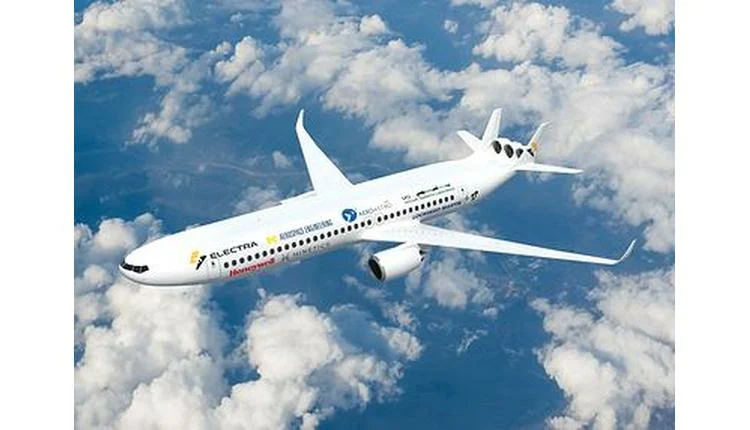
Electra, a developer in hybrid-electric aviation, has introduced a turbo-electric aircraft concept under NASA's Advanced Aircraft Concepts for Environmental Sustainability (AACES) 2050 program. The design aims to improve efficiency by 17% for 100-passenger aircraft by mid-century, using a double-bubble fuselage and electric tail fans.
The concept integrates advanced aerodynamics and electrification to enhance efficiency while maintaining compatibility with existing airline and airport operations. Dr. Parker Vascik, Electra's Director of Product Strategy, explained: "The value of electrification in this concept is that it lets us put the propulsion where it couldn't go before but does the most good."
Design and Operational Benefits
The aircraft features a wide fuselage that contributes to lift, along with underwing turbofan engines that generate thrust and electricity for tail fans. This configuration supports a twin-aisle cabin layout, improving passenger comfort and boarding efficiency. Electra's Chief Engineer, Dr. Alejandra Uranga, emphasized the importance of holistic design: "Designing the aeroplane as a whole system is essential to realising the full potential of future commercial aeroplanes."
Electra's contributions to the AACES 2050 program include 11 technical papers and an electrified aircraft design suite available for public use. The initiative involves collaboration with industry and academic leaders, including American Airlines and MIT. Marc Allen, CEO of Electra, highlighted the significance: "The third era of aviation will bring radical change to how people and places connect."
This concept offers a near-term electrification pathway, complementing other approaches in the AACES 2050 program. However, achieving maturity by 2050 will require further technological initiatives, as noted by Dr. Vascik. The design could influence future aircraft development for carriers like American Airlines, which is participating in the program.
For travel professionals, this development signals potential shifts in aircraft efficiency and operational costs. As airlines seek to reduce fuel expenses and emissions, concepts like Electra's could reshape fleet planning. Meanwhile, the hospitality and cruise sectors may see indirect benefits from more sustainable aviation, aligning with broader environmental goals. For instance, MSC Cruises' all-inclusive packages often rely on air travel, and more efficient aircraft could lower costs for such offerings.
Additionally, the focus on passenger comfort through a twin-aisle layout could enhance the travel experience, potentially influencing hotel and cruise partnerships. As destinations like those highlighted in Explora II's Mediterranean itineraries grow, efficient air connectivity becomes crucial. The technology also supports MICE events, where reliable and sustainable air travel is key for attendees.
Electra's work under AACES 2050 represents a step toward the third era of aviation, with implications for global travel networks. The company's open-source design suite may accelerate industry-wide innovation, benefiting airlines, airports, and travel technology vendors alike.