The recent rebound in crude prices is intensifying cost pressures across the transport sector, forcing airlines, road operators and travel companies to reassess fares, contracts and capacity. With Middle East supply disruptions showing no sign of easing, the industry is bracing for a prolonged period of elevated fuel costs.
Airlines bear the brunt
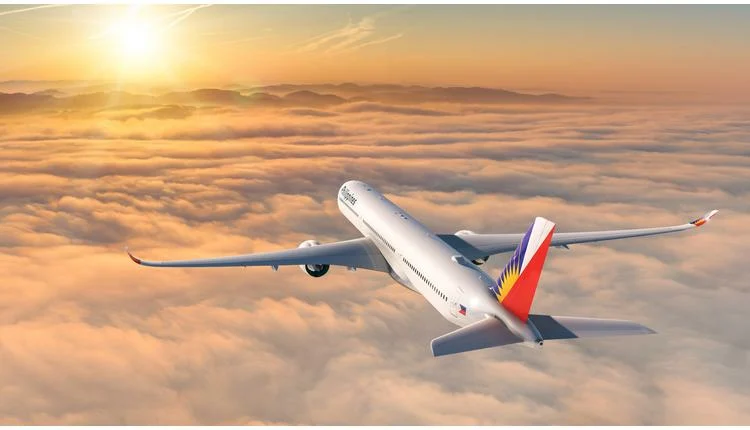
The International Air Transport Association (IATA) has slashed its 2026 profitability outlook, now forecasting global net profits of US$23 billion, down from US$45 billion in 2025. Fuel expenditure is projected to reach US$350 billion this year, nearly 40% above 2025 levels, and will account for 31.4% of airline operating costs. IATA's assumptions are based on an average jet-fuel price of US$152 per barrel.
Carriers are attempting to offset the increase through higher passenger yields and ancillary revenue, but the equation remains difficult. Demand has not collapsed, yet airlines cannot indefinitely absorb higher fuel bills without impacting fares, schedules or margins. This may lead to a more selective approach to capacity, particularly on thinner routes where cost recovery is harder.
For example, long-haul routes from Europe to Asia are already seeing capacity adjustments, while low-cost carriers in Southeast Asia are scrutinizing secondary airports. The pressure is also prompting airlines to accelerate fleet renewal with more fuel-efficient aircraft, but the capital expenditure required is substantial.
Diesel squeeze hits road transport
Road transport faces a different challenge: a global diesel shortage linked to conflicts in Iran and Ukraine could persist into 2027, according to Reuters. Supplies have been disrupted, inventories have fallen sharply, and prices have hit record levels in several markets.
For trucking and logistics companies, this translates directly into higher freight rates. Tourist coaches, airport transfers, taxis and intercity buses are equally exposed. Operators can renegotiate contracts or introduce fuel surcharges, but this is more difficult where travel companies have already sold packages at fixed prices.
DMCs and tour operators under pressure
Destination management companies (DMCs) and tour operators are particularly vulnerable. A coach-heavy itinerary that was commercially viable several months ago can now carry a different margin once fuel costs rise substantially. Suppliers may increasingly seek shorter contract periods, fuel-adjustment clauses, or greater flexibility to substitute rail for road on suitable routes.
For travel companies, this is becoming a contracting issue as much as a transport issue. Ground-handling costs are hard to pass on once a package has been priced and sold. As one industry executive noted, "The days of fixed-price contracts are numbered; we need to build in fuel volatility clauses."
Rail's electrification advantage
Rail has a significant advantage, particularly in markets with highly electrified networks. Almost 99.6% of India's broad-gauge railway network was electrified by March 2026, according to the Ministry of Railways. Diesel consumption for railway traction fell from 293 crore litres in 2015-16 to 108 crore litres in 2024-25. This reduces rail's direct exposure to diesel prices, making it a more stable option for travel itineraries.
In Europe, high-speed rail networks are already benefiting from this shift, with tour operators increasingly offering rail-based packages as an alternative to coach travel. The trend is also visible in Japan and China, where electrified networks dominate.
Fuel risk becomes a planning issue
The commercial implications are moving beyond transport budgets. Airlines may need to revisit capacity and pricing assumptions; coach operators face renewed pressure on margins; and tour companies must account for fuel volatility when contracting ground services.
The next variable will be duration. If Middle East supply constraints persist and diesel markets remain tight into 2027, transport companies will have to treat fuel risk as a planning issue rather than a temporary surcharge. For travel businesses, that could mean more flexible contracting, greater use of electrified rail, and closer scrutiny of the transport component in package pricing.
As the situation evolves, travel professionals should also monitor related developments, such as how the Middle East conflict is reshaping travel insurance and how domestic travel is shielding Asia-Pacific tourism boards. The oil market may be set in motion thousands of kilometres away, but its impact is increasingly being felt in the margins of the travel trade.