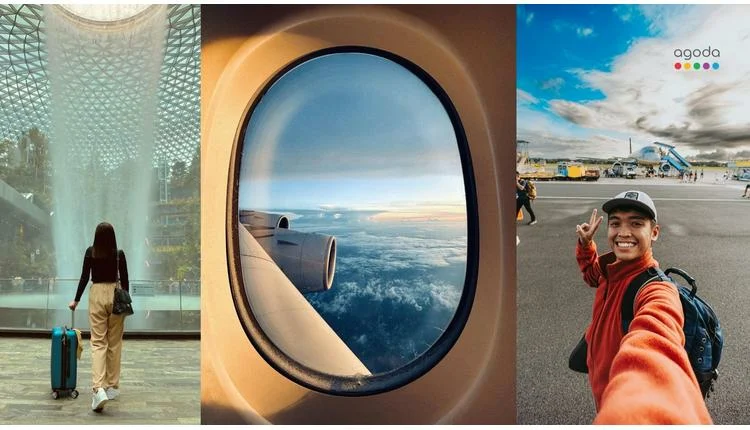
Gen Z travelers across Asia are redefining what loyalty means in the travel industry, according to Agoda's 2026 Travel Outlook. The survey of regional travelers shows that 73% of Gen Z respondents intend to take between one and six trips annually, with motivations centered on cultural exploration (32%), outdoor activities (30%), and culinary discovery (28%). This shift presents a clear opportunity for airlines, hotel groups, banks, and loyalty platforms to embed travel more deeply into their ecosystems.
Damien Pfirsch, Chief Commercial Officer at Agoda, emphasized the changing nature of loyalty: “Gen Z is changing what travel loyalty needs to feel like. They plan around experiences and expect a straightforward path from discovery to booking.” The implication for loyalty programs is that they must offer integrated travel experiences, allowing members to earn and redeem rewards without friction.
Experience-Driven Loyalty
Traditional points-based programs are losing relevance for this cohort. Instead, Gen Z values programs that provide direct access to experiences—whether that means booking a cooking class in Bangkok, a guided hike in Bali, or a street food tour in Tokyo. For airlines like Southwest Airlines and China Airlines, which partner with Rocket Travel by Agoda, this means offering rewards that go beyond seat upgrades and baggage allowances.
Hotel groups such as Accor and Global Hotel Alliance are also taking note. Accor's Global Leadership Council has identified loyalty and strategic partnerships as key trends for 2026, while Global Hotel Alliance recently reported an 11% revenue increase to $858 million, driven largely by its loyalty program. These examples underscore the industry's pivot toward experience-rich, flexible rewards.
Sustainability as a Loyalty Driver
Sustainability is another critical factor. The Agoda survey found that 38% of Gen Z actively seek certified sustainable accommodations, and 23% choose off-peak travel to reduce their environmental footprint. This trend encourages airlines to offer exclusive fares during quieter periods and banks to promote sustainable travel options within their rewards programs. For instance, 1 Hotels has earned recognition for its Mission Membership loyalty program, which ties rewards to sustainability impact.
Tour operators and destination management companies should also adapt. In Southeast Asia, tour guides are already shifting focus to soft skills as AI reshapes travel planning, but sustainability credentials are becoming a differentiator. Agents and operators who can offer certified eco-friendly tours and accommodations will be better positioned to capture Gen Z bookings.
Implications for Travel-Tech and GDS
For travel technology vendors and GDS systems like Amadeus, the message is clear: platforms must support seamless integration of loyalty and sustainability data. Sun Group's recent debut of Vietnam's first cross-sector loyalty program on the Amadeus platform is a case in point. Similarly, MakeMyTrip launched its OneCircle loyalty program for Indian travelers, reflecting the growing demand for localized, flexible rewards.
Agentic AI is also reshaping travel marketing as the 2026 season approaches, enabling more precise targeting of Gen Z's preferences. Loyalty platforms that leverage AI to recommend personalized experiences—from off-peak flights to sustainable hotels—will gain an edge.
Pfirsch concluded, “By incorporating Agoda's global inventory into their platforms, partners can offer a seamless travel experience, boosting loyalty engagement and revenue.” The message for travel professionals is to act now: redesign loyalty programs around experiences, integrate sustainability, and ensure a frictionless path from inspiration to booking.