The escalating geopolitical crisis across West Asia is redrawing the map of international medical travel, forcing patients, hospital groups, and insurers to reroute around conflict zones. With airspace closures, missile threats near key transit hubs, and heightened regional instability, the healthcare travel industry is undergoing a stark realignment.
Traditional care destinations and transit corridors are suffering severe downturns, while safer, more resilient alternatives across Asia are gaining ground. The shift is not merely temporary; it is accelerating a permanent restructuring of how medical travel is planned and executed.
Gulf hubs lose their edge
Dubai, Abu Dhabi, and Doha have long served as premier gateways for high-value international patients, offering world-class facilities and connectivity. But repeated flight cancellations, restricted airspace capacity, and military escalations have compromised their operational reliability. The sudden drop in inbound travelers has drained vital liquidity from Gulf healthcare ecosystems that depend heavily on medical tourism spending.
For India, the impact is particularly acute. The country's medical value travel sector, valued at $13 billion, is reeling. Premier hospital networks—including Fortis Healthcare, Apollo Hospitals, and Max Healthcare—report staggering declines of 30 to 75 percent in overseas patient traffic. Critical patient flows from Oman, Saudi Arabia, Iraq, Yemen, and the United Arab Emirates have dried up as safety concerns and logistical barriers mount.
"The Gulf was our lifeline for high-end procedures," says a senior executive at a leading Indian hospital group, speaking on condition of anonymity. "Now, patients are postponing or seeking alternatives elsewhere."
Rising costs and deferred care
With transit routes forced around conflict corridors, airfares have surged by up to 25 percent. Fearing airspace stranding and ballooning travel costs, thousands of patients are choosing to defer complex, life-sustaining procedures such as oncology treatments, cardiac surgeries, and organ transplants. This deferral not only jeopardizes patient outcomes but also creates a backlog that could strain healthcare systems once stability returns.
To offset projected revenue losses of 15 to 45 percent, Indian healthcare groups are rapidly redirecting their international marketing efforts toward African, Central Asian, and Southeast Asian markets. This diversification is a strategic necessity, as the traditional reliance on Middle Eastern corridors has proven fragile.
Southeast Asia steps up
In response to the crisis, patients are increasingly looking further east. Southeast Asia is rapidly emerging as a primary safe haven for displaced healthcare demand. Malaysia, in particular, is recording a notable influx of Middle Eastern patients eager to bypass unstable Gulf airports.
Private healthcare providers, including Sunway Healthcare, highlight that the region's combination of internationally accredited facilities, cost competitiveness, and Muslim-friendly infrastructure makes it exceptionally well-positioned to capture this shifting market. "We are seeing a surge in inquiries from the Middle East," says a Sunway spokesperson. "Our facilities are JCI-accredited, and we offer a seamless experience for Muslim patients, from halal food to prayer rooms."
Other Southeast Asian destinations, such as Thailand and Singapore, are also benefiting, though Malaysia's proactive approach and cultural affinity give it a distinct advantage. The region's robust aviation connectivity, including expanded services like TransNusa's Jakarta-Singapore route, supports the growing patient flow.
Structural vulnerabilities exposed
The crisis underscores broader structural vulnerabilities in global healthcare logistics. The medical travel sector's heavy dependency on highly concentrated Middle Eastern aviation corridors has left critical patient corridors exposed. As disruptions like the Brussels Airport strike demonstrate, even temporary shutdowns can have cascading effects on patient mobility.
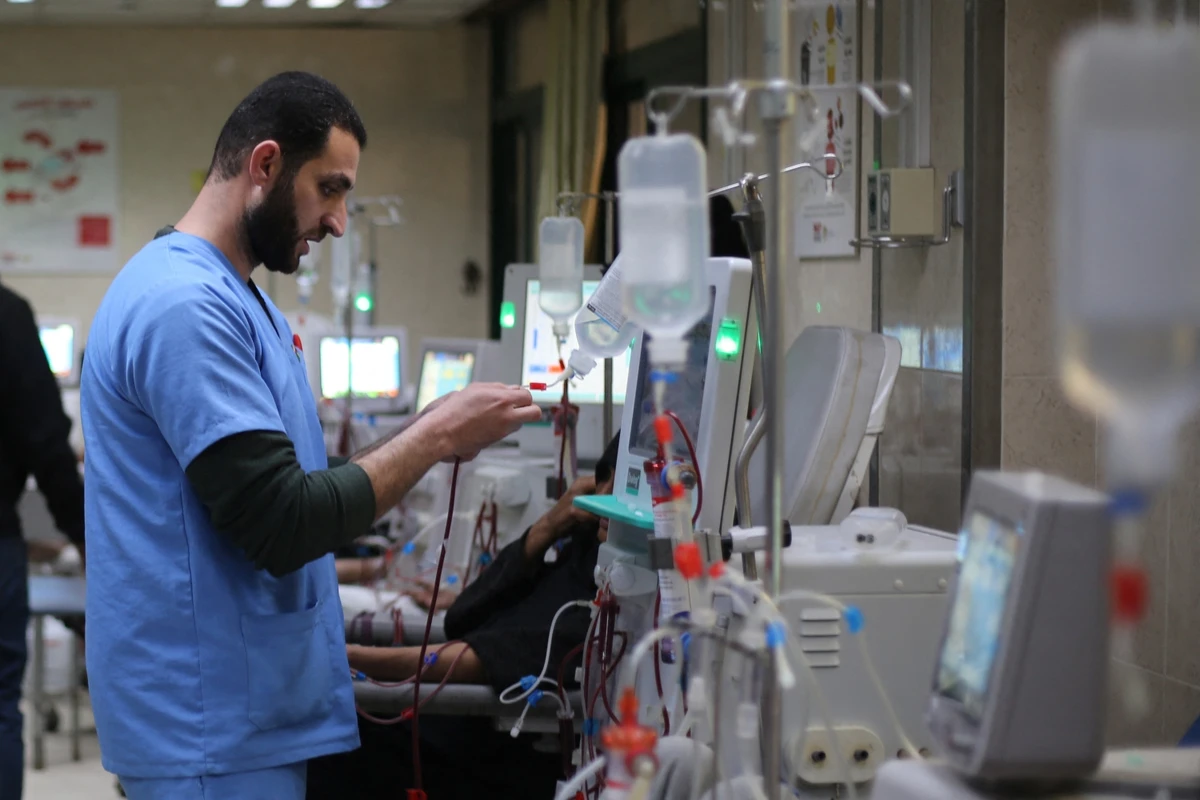
Beyond immediate revenue impacts, prolonged travel disruptions threaten severe care inequality for patients trapped in blockaded regions who require urgent specialist care. "This is not just a business issue; it's a humanitarian one," notes a healthcare analyst. "Patients in conflict zones are being cut off from life-saving treatments."
As hospital networks globally diversify their geographic reach, the West Asian crisis is accelerating a permanent shift in how international medical travel is managed and routed. The industry is learning that resilience requires redundancy—multiple hubs, flexible routing, and a broader patient base. For now, Southeast Asia is the clear winner, but the long-term landscape will likely be more fragmented and adaptable.