The escalating conflict across West Asia has moved beyond diplomatic concern to become a major economic force reshaping global travel. According to the World Travel & Tourism Council (WTTC), the ongoing instability is draining an estimated US$600 million each day from the worldwide tourism economy—a figure that underscores the scale of disruption now hitting airlines, hotel groups, cruise operators, and destination management companies.
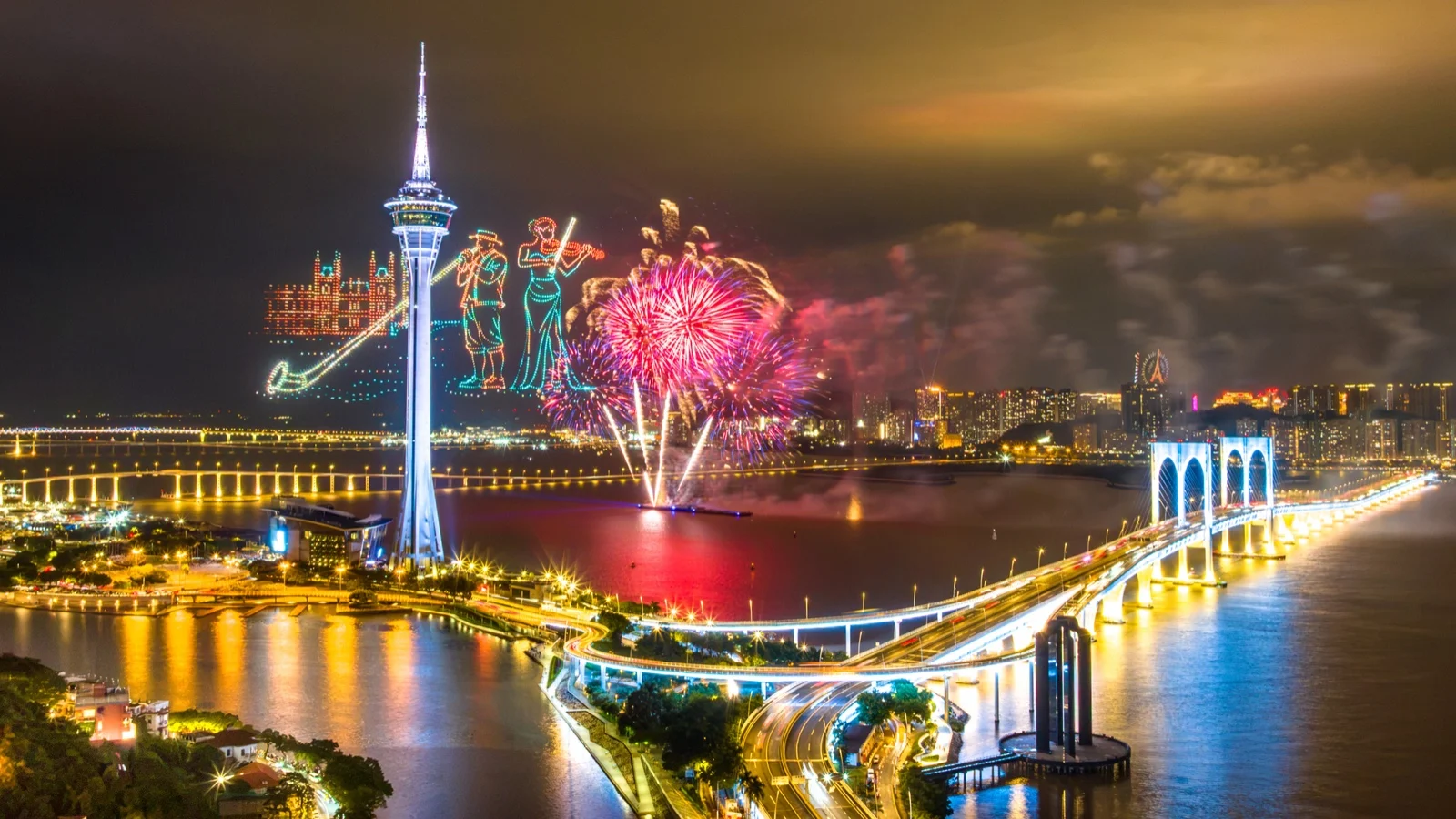
As the 12th Global Tourism Economy Forum convenes in Macau, industry leaders are confronting a new reality: the traditional model of relying on a few mega-hubs for intercontinental connectivity is no longer sustainable. The crisis has exposed systemic vulnerabilities across the entire supply chain, from air traffic management to ground handling, and the consensus emerging among executives is that long-term resilience depends on structural agility rather than reactive crisis management.
Fragile transit architecture
At the heart of the problem is the fragility of global transit architecture. Repeated escalations have forced super-hubs in Dubai (DXB), Doha (DOH), and Abu Dhabi (AUH) to operate well below capacity, severing key multi-continent transit veins and leaving thousands of long-haul passengers stranded. Carriers connecting Europe and Asia—such as Emirates, Qatar Airways, and Etihad—have had to implement extensive rerouting, leading to longer flight times, increased fuel burn, and a cascade of cancellations that ripple through schedules.
This operational strain is compounded by macroeconomic pressures. Rising tensions near the Strait of Hormuz, a critical maritime corridor for oil shipments, continue to push global crude prices upward. The result is steeper jet fuel expenses for airlines and inflated ticket tariffs for consumers, directly eroding purchasing power and dampening demand for discretionary travel.
Consequently, UN Tourism has downgraded its international arrival growth projections to a more modest one to two percent for the year, a clear signal of broader economic deceleration across the sector. The downgrade reflects not only the immediate disruptions but also the uncertainty that discourages both leisure and business travelers from committing to long-haul itineraries.
Regional asymmetries
The fallout is not uniform. Proximate markets are bearing severe deficits. India’s travel and hospitality sector, for instance, faces an estimated US$1.89 billion revenue loss alongside a 15 to 20 percent decline in inbound leisure arrivals. Heightened public safety concerns and security warnings have created a hyper-sensitive travel demographic, prompt to cancel or defer non-essential trips.
Yet travel volume rarely vanishes entirely; rather, it displaces. As primary corridors become obstructed, demand surges abruptly toward designated “safe-haven” destinations. This sudden influx frequently overburdens local transport, accommodations, and public facilities, creating operational friction between visitors and resident communities unprepared for sudden capacity spikes. For example, destinations like Malta, which recently signed a three-year tourism pact with Trip.com Group targeting Asian growth, may see increased interest as travelers seek stable alternatives.
A blueprint for systemic resilience
To insulate the industry against ongoing geopolitical volatility, stakeholders must enact decisive structural shifts. The following measures are emerging as essential:
- Diversified air transit: Expanding secondary flight paths and boosting regional point-to-point networks to eliminate single-point transit dependencies. This includes developing alternative hubs in less volatile regions and encouraging direct services between mid-sized cities.
- Dynamic market realignment: Reallocating destination marketing budgets toward stable domestic segments and high-yield, short-haul regional markets. For instance, hotel groups like Courtyard by Marriott Danang Han River are already targeting MICE growth in Asia, a strategy that can be replicated elsewhere.
- Agile operational frameworks: Implementing flexible inventory pricing models, scalable capacity systems, and robust financial risk-hedging mechanisms. This allows businesses to adjust quickly to changing demand patterns and mitigate revenue losses.
Industry leaders are also looking at technology to enhance resilience. For example, Global Payments and Centara have streamlined cross-border hotel payments in Thailand, reducing friction for international guests. Similarly, travel platforms like Fliggy have seen record hotel bookings during Golden Week, driven by AI and VIP spend, indicating that tech-savvy approaches can help capture shifting demand.
Ultimately, the ongoing crisis presents an urgent mandate for industry leaders. By building adaptable supply chains and diversified routing structures today, global tourism can secure a more resilient foundation for tomorrow. The message from Macau is clear: those who invest in flexibility now will be better positioned to weather future shocks, whether geopolitical, economic, or environmental.