Greencoon Experience, a French hospitality concept developer, is rolling out two modular offerings designed to help hotels, resorts, and glamping operators turn underused outdoor areas into revenue-generating guest experiences. The Cocoon accommodation and Cocoon Event concepts aim to bridge the gap between premium comfort and immersive natural settings.
Redefining outdoor stays
The Cocoon accommodation line features faceted, architecturally distinctive modules that can be positioned across a property's landscape. Each unit is engineered to maximize views and privacy, allowing guests to feel fully immersed in their surroundings. Jean-Matthieu Delacourt, founder of Greencoon Experience, stresses that the design goes beyond aesthetics: “We focus on creating unforgettable experiences through thoughtful interior layouts and equipment tailored to each location's needs.”
For operators, the modular approach offers flexibility. Units can be deployed in a variety of settings—from forest clearings to coastal cliffs—without the permanence of traditional construction. This makes them particularly attractive for glamping sites and eco-resorts looking to expand capacity quickly while maintaining a low environmental footprint.
Terrace events with a transparent twist
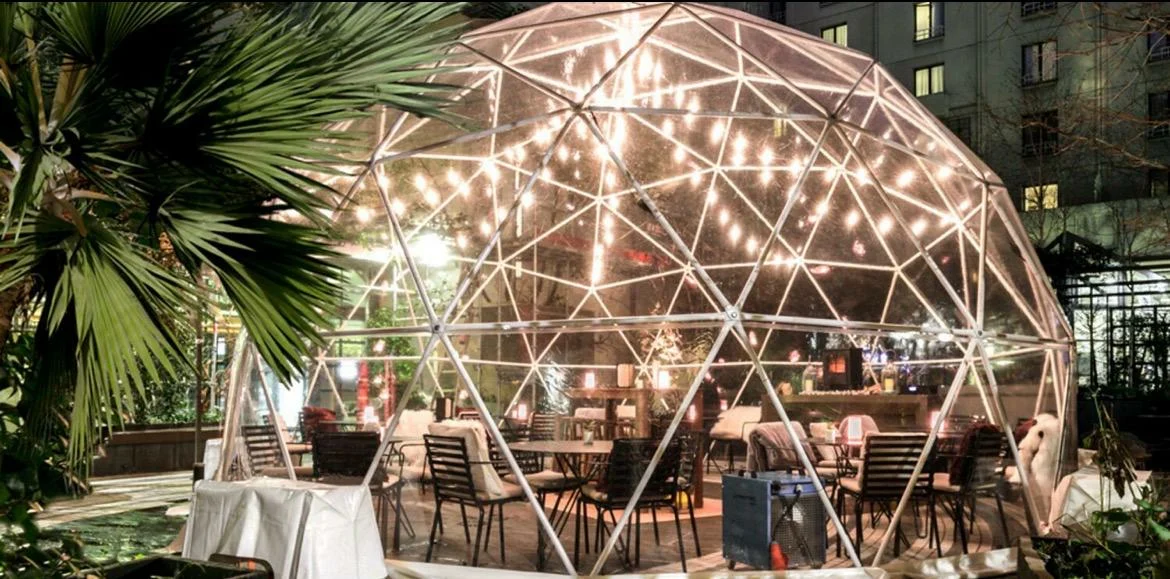
The Cocoon Event concept targets hotels and restaurants seeking to maximize terrace spaces. It provides a transparent, enclosed pavilion that can host private dining, corporate gatherings, or social events while keeping guests connected to the outdoors. The design includes integrated lighting, furniture, and spatial layouts that foster an intimate atmosphere, as seen in the illuminated terrace imagery released with the announcement.
This concept aligns with a broader industry trend toward local experiences and outdoor hospitality, where properties differentiate themselves by offering unique settings rather than just amenities.
Operational simplicity
Greencoon Experience manages the production and transport of the modules, while clients handle interior finishing and site preparation. This division of labor helps ensure that projects align with practical requirements such as site access, local zoning, and building codes. For hoteliers, this reduces the complexity of integrating prefabricated structures into existing operations.
The approach has drawn interest from boutique hotel groups and independent resort operators across Europe, particularly those looking to add distinctive overnight options or event venues without major capital expenditure. The modular nature also allows for seasonal deployment, giving operators the ability to scale offerings based on demand.
Delacourt sees the concepts as a way to make the environment an integral part of the guest experience. “Whether nestled in nature or enjoying a terrace dinner, the surroundings should be part of the story,” he said.
As hospitality continues to evolve toward experiential travel, products like Cocoon offer a tangible way for properties to differentiate themselves. The trend is echoed in other sectors, such as culinary travel, where diners increasingly prioritize unique settings over traditional lodging amenities.
For travel professionals, the key takeaway is that modular, nature-integrated concepts can be a practical addition to a property's portfolio, enhancing both guest satisfaction and operational flexibility. Greencoon Experience's model—handling production and logistics while leaving site work to the client—provides a clear path to implementation.
With the rise of localized experiences and the growing demand for outdoor hospitality, Cocoon and Cocoon Event represent a timely innovation for hoteliers and event planners alike.