Escalating geopolitical tensions between the US and Iran are casting a long shadow over the global travel industry, forcing airlines, hoteliers, and destination marketers to adapt quickly. With the WTTC trimming growth forecasts, stakeholders are deploying structural mitigations to protect the crucial final quarter.
Rerouting the global aviation corridor
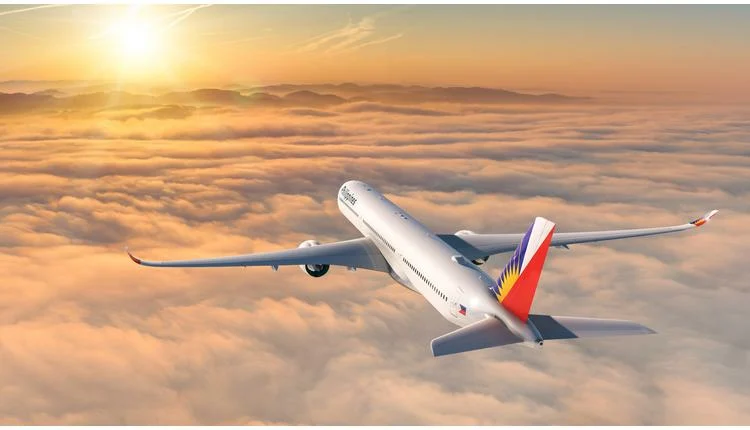
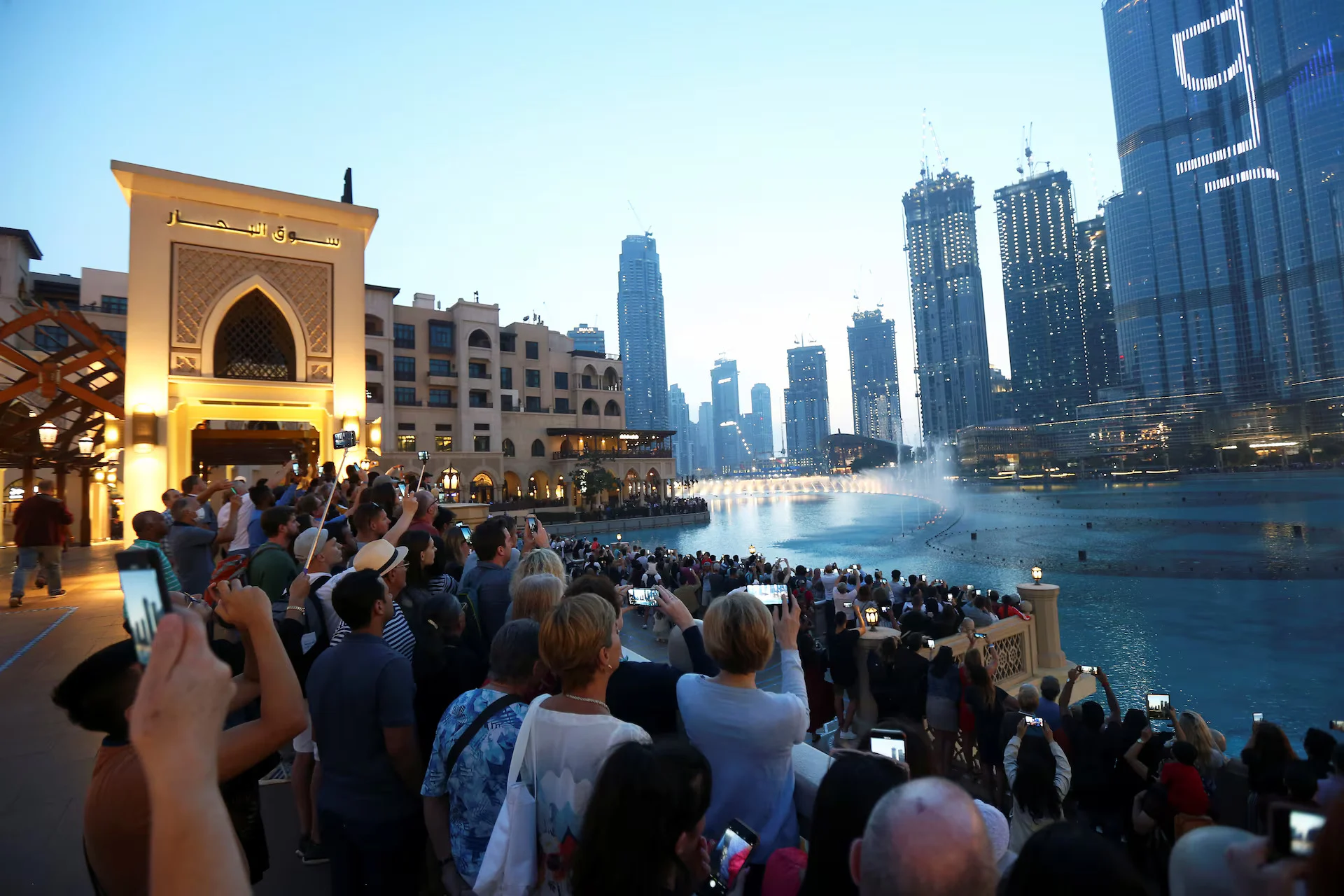
The Persian Gulf, a corridor handling 30-40% of international air traffic, is under severe strain. Dubai International Airport (DXB) has seen passenger volumes plunge as carriers pivot operations. Airlines are establishing alternative connection points, shifting long-haul transit itineraries away from conflict zones toward hubs like Istanbul. Chinese and Turkish carriers are adding thousands of non-stop flights between Asia and Europe, bypassing compromised airspace.
For example, Turkish Airlines is expanding its Istanbul hub capacity, while China Southern and Air China are increasing frequencies on Asia-Europe routes. This rerouting is not just a short-term fix but a strategic realignment that could persist if tensions remain high.
Safe havens and sun-and-sea surges
As regional demand contracts across the Middle East, travel capital is flowing to politically stable destinations. Mediterranean hotspots—Spain, Greece, Portugal, and Morocco—are seeing sharp booking increases as travelers seek secure, warm-weather alternatives. Further afield, long-haul escapes are booming: Africa is up 48%, Latin America up 45%, with steady gains for Japan, Iceland, and New Zealand.
This shift is evident in hotel booking data from groups like Meliá Hotels International and Marriott, which report rising occupancy in these regions. Tour operators are also adjusting packages, with TUI and Thomas Cook adding capacity to safe-haven destinations.
Discounts and fare dynamics
To shore up consumer confidence, state-backed Gulf carriers are using capital reserves for aggressive promotions. Saudia has introduced discounts up to 50% on Guest and Business Class, while Qatar Airways pushes targeted economy deals from Doha. These moves are detailed in our analysis of Gulf carrier fare cuts.
Meanwhile, jet fuel volatility has pushed international airfares up 5-10%, accelerating a shift toward domestic and short-haul travel. European and North American travelers are opting for regional staycations or direct intra-continental journeys. To mitigate risk, consumers are turning to travel advisors and Cancel For Any Reason (CFAR) insurance, ensuring flexibility against airspace closures.
Corporate travel spending in the Gulf remains resilient, as noted in our report on Gulf corporate travel, but leisure patterns are clearly shifting.
Industry response and outlook
Destination marketing organizations are pivoting to promote safe-haven destinations. For instance, the Spanish tourism board is ramping up campaigns in key source markets, while Morocco is leveraging its proximity to Europe. Airlines are also adjusting networks, with Finnair's Delhi-Helsinki route opening autumn Lapland to Indian travelers, as we reported.
Hotel groups are adapting too. Archipelago Hotels is rolling out wellness amenities across 70+ properties, and Frasers Hospitality is launching The Wellness Edit, catering to travelers seeking stress-free stays. These moves reflect a broader industry effort to maintain momentum despite geopolitical headwinds.
As the situation evolves, the industry's resilience will be tested. But with strategic rerouting, aggressive pricing, and a focus on safe havens, stakeholders are working to keep global tourism moving forward.