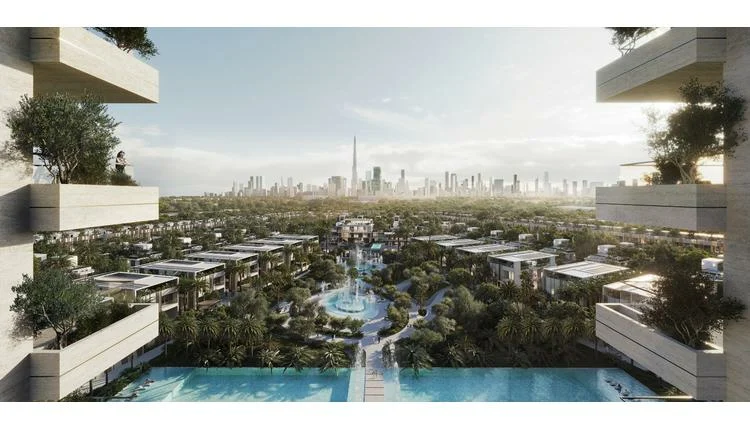
Developers across the Gulf region are being called to fundamentally rethink luxury residential design as heat stress intensifies, according to Talal M. Al Gaddah, CEO and Founder of the Keturah luxury brand. Speaking to industry professionals, Al Gaddah stressed that traditional approaches to luxury homes are no longer sufficient in the face of rising temperatures and humidity.
Recent climate research from the European Centre for Medium-Range Weather Forecasts identifies the Arabian Peninsula as one of the most affected regions by heat stress since the 1970s. The study notes that the ten hottest days in the Arabian Peninsula now feel up to 4°C hotter than five decades ago, with further increases expected as emissions rise. Heat stress, a leading cause of weather-related deaths, exacerbates cardiovascular and respiratory conditions.
Health-led construction as a new baseline
Al Gaddah emphasized that outdoor temperatures are only part of the challenge. “How walls manage moisture, how air moves through a space, and the surfaces residents live with daily all determine whether a home genuinely protects the people inside it,” he stated. He called for a shift in material selection and system design to handle the Gulf’s heat, humidity, and air quality challenges.
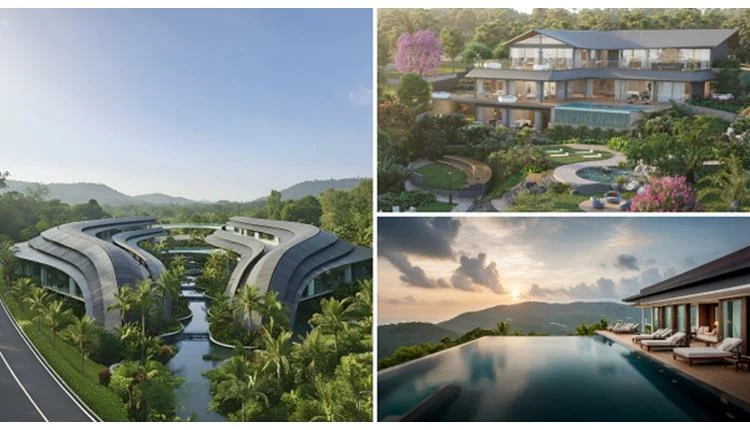
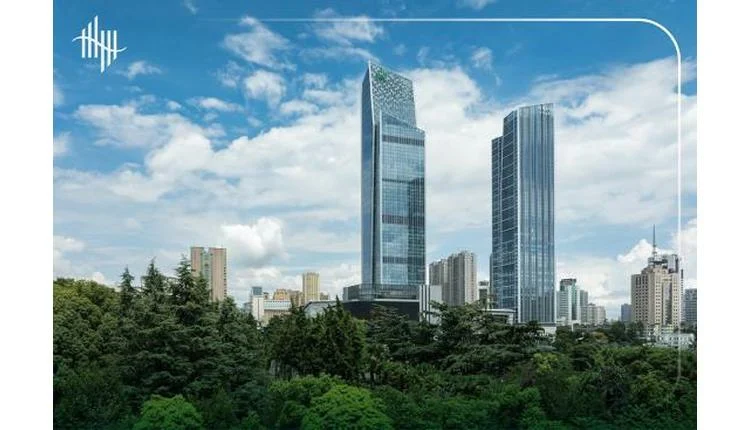
Keturah’s developments in Dubai, including the AED5.7 billion Keturah Reserve and The Ritz-Carlton Residences, already incorporate health-led construction features such as antimicrobial tiling and zero-VOC finishes. These projects align with Saudi Arabia’s Vision 2030 and the UAE’s Dubai 2040 Urban Master Plan, both of which prioritize sustainable urban development.
Al Gaddah asserted that health-led construction is now a baseline standard, driven by both buyer expectations and scientific evidence. “The next generation of luxury homes in this region will be defined not by how they look but by how well they perform for the people living in them,” he concluded.
This call to action comes as luxury travel and residential markets in the Gulf continue to expand, with high-net-worth individuals increasingly demanding properties that offer genuine protection from environmental stressors. The trend mirrors broader shifts in luxury hospitality, where properties like Rah Gili Maldives are ditching rigid protocols in favor of flexible, wellness-focused models.
For travel professionals—from hoteliers and tour operators to travel-tech vendors—the implications are clear: the definition of luxury is evolving. Properties that fail to address heat stress and indoor environmental quality risk falling out of favor with discerning clients. As Gen Z redefines luxury travel in Asia Pacific, similar shifts are reshaping expectations in the Gulf.
Al Gaddah’s remarks serve as a wake-up call for developers, architects, and interior designers working on high-end residential and hospitality projects across the region. The integration of health-led construction is no longer optional—it is becoming a competitive necessity.