The Gulf hotel market is entering a demanding winter season as international demand softens, occupancy slips, and room rates come under pressure. At the same time, an ambitious development pipeline across the Gulf Cooperation Council (GCC) is set to add nearly 126,000 rooms by 2030, intensifying competition for a limited pool of travellers.
Data from real estate consultancy Cavendish Maxwell, reported by Gulf News, shows occupancy declined across all six GCC states during January–August 2026. Saudi Arabia and the UAE averaged 59%, Qatar 60%, Oman 48%, Kuwait 38%, and Bahrain just under 37%—a 31% year-on-year drop for the island kingdom.
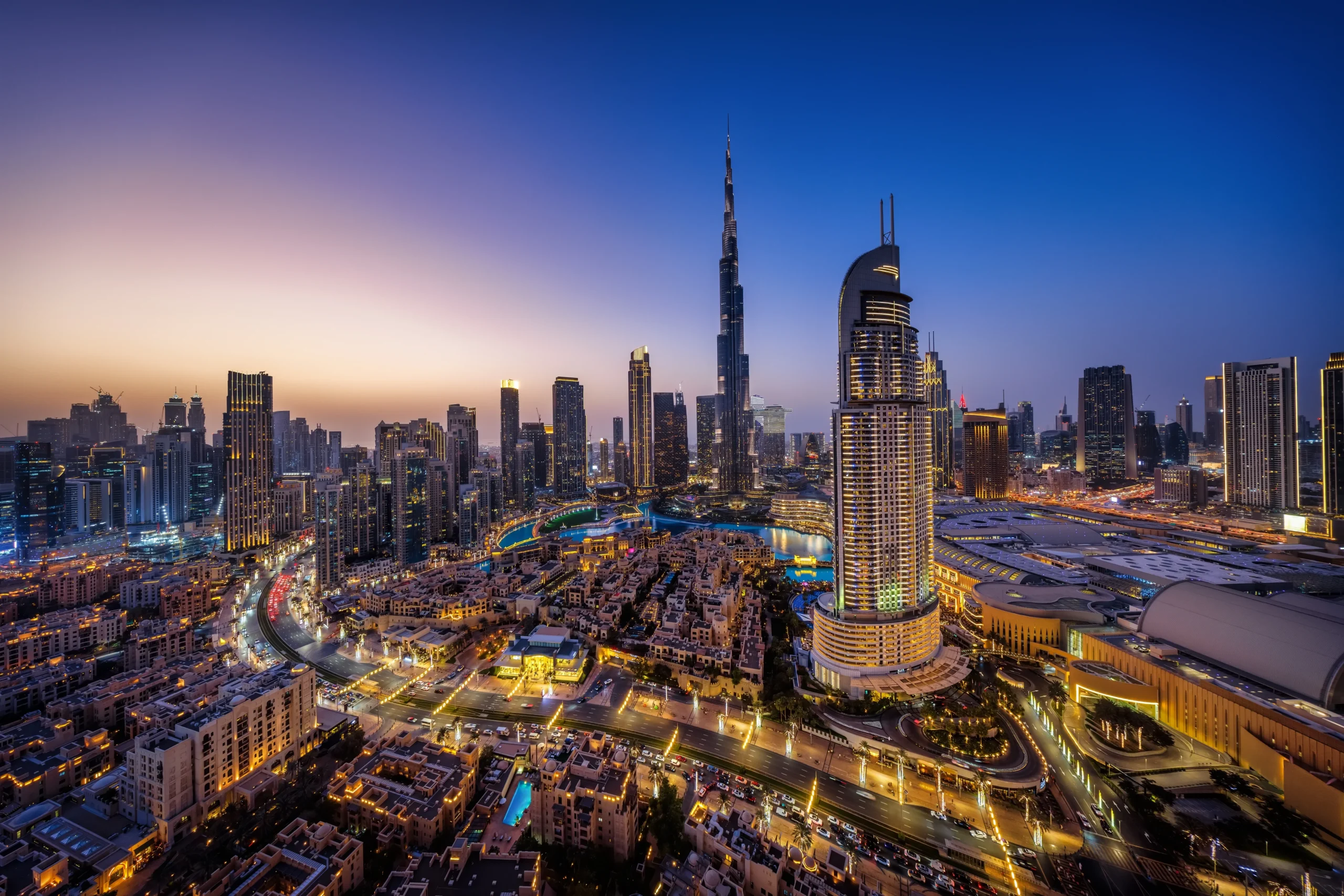
Dubai: a bellwether under strain
Dubai remains the region's most watched tourism indicator. The emirate welcomed 6.97 million international overnight visitors in the first eight months of 2026, according to the Dubai Department of Economy and Tourism. Yet hotel occupancy is still below pre-disruption levels. Emaar founder Mohamed Alabbar told Reuters in September that occupancy across the company's Dubai hotels had recovered to around 60%, compared with 83% before the regional conflict, and expected a return to normal within 12 months.
Room rates are also feeling the pinch. According to The Economic Times, Dubai hotel operators anticipate rates will remain 10% to 15% below 2025 levels as they prioritise occupancy ahead of the winter season. This discounting strategy, while boosting volumes, is eroding profitability—a trend echoed across the region.
Supply surge: 616,000 rooms by 2030
Cavendish Maxwell estimates the GCC currently operates nearly 490,000 hotel rooms. With almost 126,000 additional rooms in the pipeline, total inventory is projected to grow by 25% to approximately 616,000 by 2030.
Saudi Arabia leads the development charge, with nearly 94,500 rooms planned, bringing its inventory to roughly 275,300 rooms. The UAE follows with more than 23,000 rooms, including 11,180 in Dubai. Saudi's expansion supports its Vision 2030 goal of attracting 150 million annual visitors, with major projects in Riyadh, Makkah, Madinah, NEOM, Diriyah, and the Red Sea targeting leisure, religious, and luxury segments.
This supply wave comes as hoteliers across the GCC grapple with margin erosion from discounting and rising operational costs. The challenge is to grow demand fast enough to absorb new capacity without further depressing rates.
Diversifying source markets
Operators are responding by diversifying their source markets. Domestic tourism and intra-GCC travel are becoming increasingly important, while India and select European markets remain key international feeders. Indeed, India is projected to become the top source market for global hotel demand by 2027, a trend Gulf hotels are keen to tap.
Flexible packages and promotional offers are being deployed to stimulate bookings, while business travel, exhibitions, and major events provide additional room-night opportunities beyond leisure. However, restoring international airline connectivity remains critical for destinations heavily reliant on overseas visitors.
The outlook for 2027 hinges on regional stability, flight capacity, and the pace of international travel recovery. With the supply pipeline set to deliver 126,000 new rooms, the industry's central task is to accelerate demand growth—whether through new source markets, events, or enhanced connectivity—to avoid a prolonged period of rate weakness and squeezed profitability.