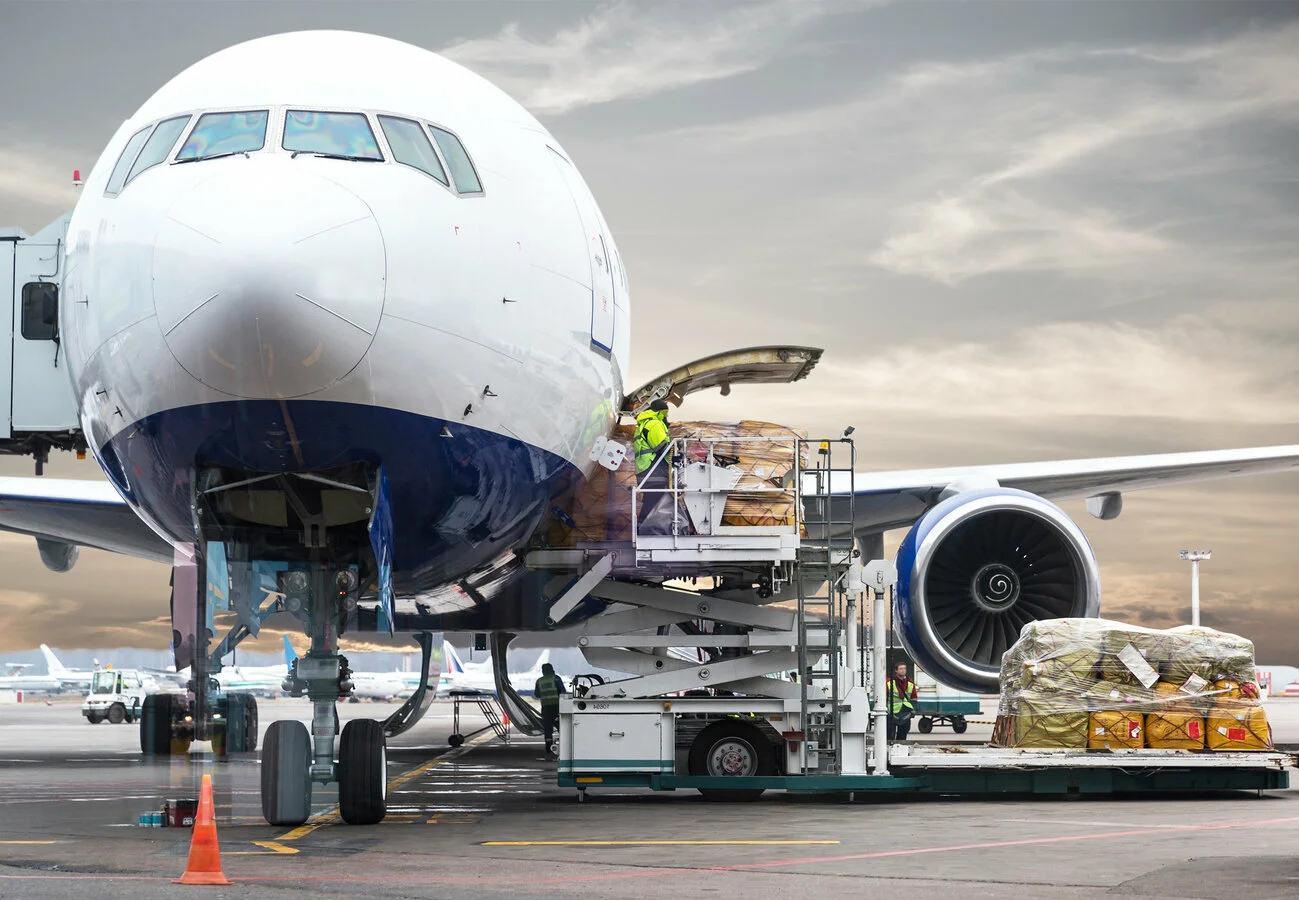
The International Air Transport Association (IATA) reported a 6% year-on-year increase in global air cargo demand for May 2026, measured in cargo tonne-kilometres (CTKs). International operations outpaced the overall figure, climbing 6.5%. Capacity expansion lagged at just 1.9%, pushing load factors higher for carriers worldwide.
IATA director-general Willie Walsh noted: "May's strong performance coupled with macro-economic factors give cautious optimism for air cargo's prospects over the remainder of the year. Trade and manufacturing output are both growing. Airlines have adapted operations to align with shifting demand patterns and supply chain needs. Meanwhile, yield growth and higher load factors are helping to recoup higher fuel costs."
Regional and Trade Lane Divergence
African airlines posted the strongest regional performance, with a 13.3% demand surge on just 1.3% capacity growth. North American carriers followed with a 10.5% increase, supported by 2.4% capacity expansion. European operators saw demand rise 6.7% against 2.2% capacity growth. Asia-Pacific airlines, which hold the largest market share at 35.8%, recorded a modest 0.8% demand uptick despite a 5.1% capacity injection. Latin American and Caribbean carriers managed 1.9% demand growth, though capacity jumped 5.6%.
The Middle East was the weakest region, with demand contracting 8.9% and capacity down 9.2%, reflecting ongoing geopolitical tensions. This aligns with broader industry challenges highlighted in IATA's May passenger data, which also showed a 2.2% global demand drop amid the West Asia conflict.
Trade lane analysis reveals a widening gap. The Asia-North America corridor led with 19.9% year-on-year growth, marking four consecutive months of expansion. The Africa-Asia lane rose 14.1%, its 11th straight month of growth. Europe saw intra-regional trade climb 11.5%, while Europe-Asia routes grew 10%. Conversely, Middle East-Asia traffic fell 16.5%, and Europe-Middle East volumes dropped 19.8%, both for the third consecutive month.
Walsh added: "It's still a tough year, particularly as Middle East uncertainties weigh heavily on parts of the industry, but robust demand and airline resilience are clear."
Fuel Costs and Macro Context
Jet fuel prices dropped 16.3% month-on-month in May but remained 93.5% higher than the previous year. The Global Manufacturing Output PMI rose to 53.5, indicating expansion, while the New Export Orders Index slipped to 49.6, suggesting the cargo boom is driven by specific trade flows rather than broad export growth. Global trade extended its 25-month streak of annual increases, rising 5% year-on-year.
For travel professionals, the data underscores air cargo's role as a critical revenue stream amid uneven passenger recovery. APAC travel demand remains resilient, and airlines like Virgin Atlantic are deepening networks in high-growth markets. However, capacity constraints and regional disruptions demand strategic route planning and yield management.