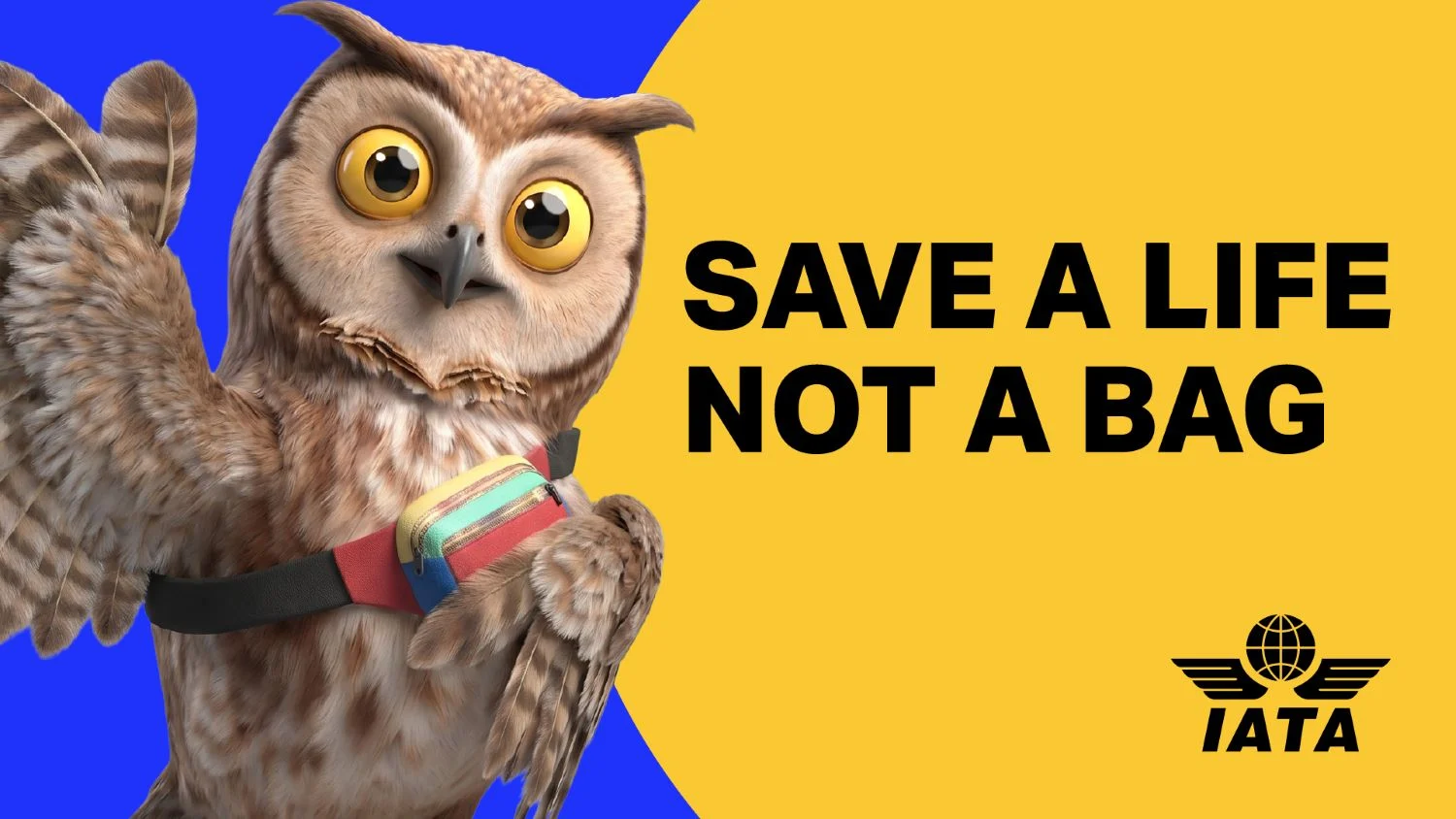
The International Air Transport Association (IATA) has rolled out its Save a Life, Not a Bag campaign, unveiled during the organization's annual general meeting in Rio de Janeiro. The initiative, backed by the European Union Aviation Safety Agency (EASA) and the U.S. Federal Aviation Administration (FAA), targets a growing trend of passengers retrieving luggage or filming during emergency evacuations—actions that can turn a survivable incident into a tragedy.
IATA director-general Willie Walsh stressed the urgency: “Taking bags during an evacuation is not a minor issue. Every second matters. Even one bag can affect the safe evacuation of everyone onboard.” The campaign’s core message is blunt: follow crew instructions, leave all baggage behind, and move quickly to the nearest usable exit.
Behavioral Science Meets Aviation Safety
The campaign video, developed with input from human behavioral specialists, uses surreal imagery to make the message stick. It encourages passengers to keep essential items—passport, money, medication—on their person before takeoff and landing, reducing the temptation to grab bags. The key directives are: pay attention to crew, leave all baggage, do not film or photograph, keep moving, and exit quickly.
Baggage during an evacuation can slow cabin movement, block aisles and exits, prevent passengers from using their hands, and injure others. Bags can puncture evacuation slides, obscure exit path lighting, or become caught on seats, creating hazards for crew and rescue personnel outside the aircraft.
EASA executive director Florian Guillermet reinforced the point: “Aircraft are certified to stringent evacuation standards and crews are trained extensively. For this to work in a real emergency, all passengers must play their part. Follow crew instructions, leave all baggage behind, and move quickly to the nearest usable exit.”
Survey Reveals Critical Knowledge Gaps
IATA commissioned a survey of recent air travelers in the US, UK, UAE, and Singapore, supported by behavioral experts. The findings are sobering: while 80% of respondents claimed to know what to do in an evacuation, only 61% correctly stated they should leave all personal items. A third had seen reports of people taking bags during evacuations, and 22% of those indicated they would likely do the same.
Many passengers overestimate evacuation time. Only 18% know that aircraft evacuation procedures are designed around a 90-second benchmark; 38% think it could be three minutes or more. One in ten admitted they might still take baggage even when instructed not to. However, 60% said they would be less likely to take bags if essential small items were already secured on their person.
FAA administrator Bryan Bedford added: “We are seeing an increasing number of passengers not following flight crew instructions during emergencies. In those moments, compliance is critical. Safety is a shared responsibility, and informed, attentive passengers help ensure a faster, safer evacuation for everyone on board.”
IATA senior vice-president for operations, safety and security Nick Careen noted: “The majority of passengers know what to do. There is, however, a significant gap in knowledge among some travelers that could result in disaster. Even a passenger or two taking a few extra seconds to gather personal items can endanger lives. That’s why it’s essential to build good habits, like paying attention to safety demonstrations and keeping essential items on one’s person.”
The campaign arrives as airlines like Saudia continue to prioritize operational efficiency, and as travel-tech vendors such as Amadeus push AI-driven solutions. For travel professionals—from airline executives to tour operators—the message is clear: passenger education is a critical component of safety. The campaign will be distributed through airline channels, airports, and social media, aiming to shift behavior before the next emergency occurs.