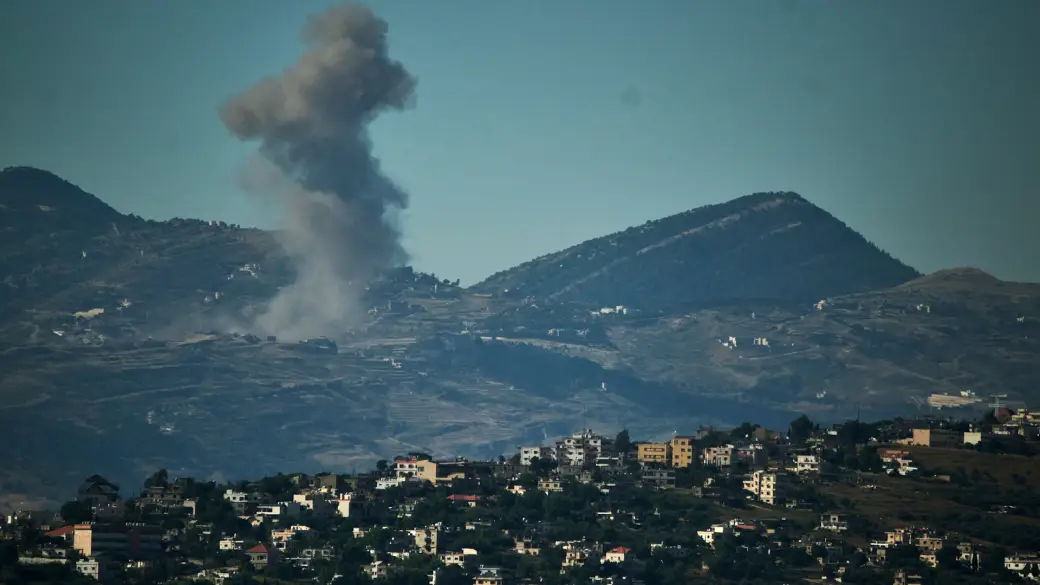
On 14th June, Pakistani Prime Minister Shehbaz Sharif announced that parties would sign a peace treaty on 19th June in Switzerland, ending military operations in West Asia. However, Iranian officials called for deferment, citing ongoing Israeli attacks on Lebanon. Chief negotiator Mohammad Bagher Ghalibaf stated: “If the enemy seeks to be excessive, we have proven that our fingers are on the trigger and we have no hesitation in giving a crushing response to the enemy.”
This delay prolongs the closure of the Strait of Hormuz and regional airspace, key chokepoints for global supply chains and transit routes. For travel professionals, the implications are stark: expensive air, sea, and land fares; security and safety concerns for layovers; and negative industrial growth for H1-2026, with a pessimistic outlook for the rest of the year.
Impact on Aviation and Hospitality
Airlines such as Emirates, Qatar Airways, and Etihad Airways face continued rerouting, adding hours to flights and increasing fuel burn. The cost of jet fuel remains elevated, pushing ticket prices to two to five times pre-28th February levels. This affects not only carriers but also hotel groups like Marriott International and Accor, which see higher room and board costs due to energy price spillover. Tour operators and attractions have closed temporarily or permanently as operating expenses spike.
However, diversion of travel away from conflict zones has boosted inbound numbers in safer destinations. Southeast Asia—Thailand, Vietnam, Indonesia—and Eastern Europe—Poland, Czech Republic—report significant increases. Central Asia and Northern Africa also see growth, driven by cultural heritage and adventure tourism. For example, the Global Wellness Summit in Thailand highlights how such events can thrive amid regional shifts.
Challenges for Travel Agents and Planners
Both in-person travel agents and online platforms like Sabre and Amadeus report that travellers and event planners hesitate to book far in advance due to uncertainty and high costs. The Sabre deployment of agentic AI with Linex Travel aims to address loyalty marketplace challenges, but the broader booking environment remains cautious.
Despite the grim outlook, the World Travel & Tourism Council (WTTC) stated in May: “The result is clear: no major destination has ever suffered a permanent collapse. Recovery is the norm, and its pace depends almost entirely on the quality of the political response.” This offers a hint of optimism for industry stakeholders.
For now, travel professionals must navigate prolonged strain on supply chains and transit routes. The delay in the peace deal keeps the region volatile, but adaptive strategies—such as focusing on emerging safe havens and leveraging technology—can mitigate risks. As IATA targets four supply chain fixes amid an 18,000-aircraft backlog, the industry must brace for continued disruption.