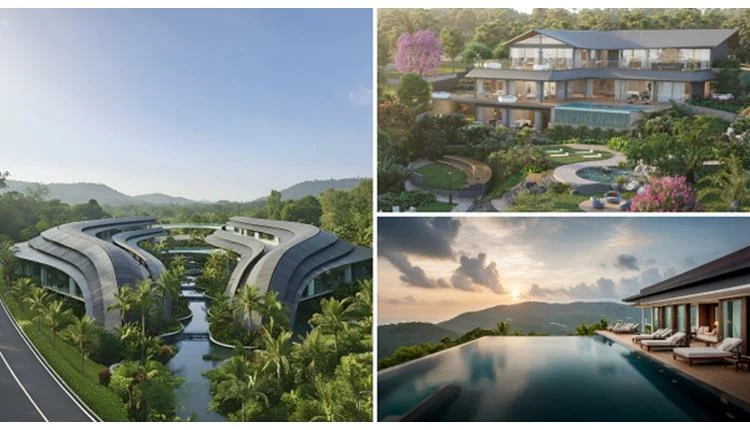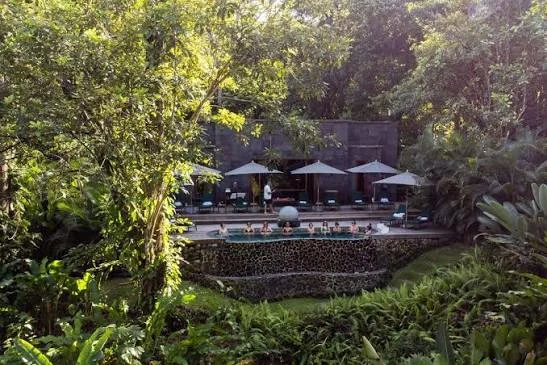
Kerala's wellness landscape is evolving beyond spa treatments and yoga retreats. Tulåh Clinical Wellness, a new centre in the southern Indian state, is positioning itself as a medical-grade recovery destination that pairs advanced diagnostics with centuries-old healing practices. For travel professionals scouting wellness offerings for discerning clients, tulåh represents a shift toward clinically validated, outcome-driven programmes.
Clinical precision meets traditional healing
At the core of tulåh's approach is a thorough intake process. Guests undergo cardiopulmonary exercise testing and DEXA body composition analysis, tools more commonly found in elite sports medicine than in resort spas. These diagnostics allow the multidisciplinary team—comprising sports scientists, physiotherapists, Ayurvedic physicians, and clinical psychologists—to design recovery plans tailored to each individual's physiological and psychological profile.
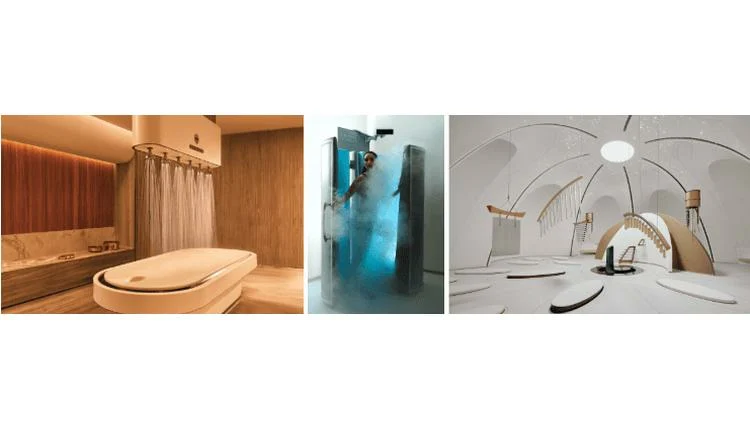
The treatment protocols combine evidence-based modalities such as Hyperbaric Oxygen Therapy and BTL Exomind neurostimulation with classical Ayurvedic therapies including Abhyanga and Shirodhara. This integration is deliberate: while modern medicine addresses acute issues, Ayurveda aims to restore long-term balance and resilience.
"We are not a spa," says a tulåh spokesperson. "Our programmes are built on data and delivered with the rigour of clinical medicine, but they honour the wisdom of traditional healing."
Technology extends the recovery journey
Tulåh's commitment to sustainability goes beyond the physical stay. Guests receive access to a proprietary app that centralises their diagnostic reports, tracks progress, and offers personalised health insights. The app also facilitates follow-up consultations with physicians, ensuring that lifestyle changes are maintained after departure. This digital continuity is a key differentiator in a market where many wellness retreats end at checkout.
The centre's signature feature is The Sonorium, billed as the world's largest sound healing dome, developed in collaboration with SVARAM. The immersive audio experience is designed to calm the nervous system and support emotional wellbeing, complementing the physical therapies.
For travel advisors and tour operators, tulåh offers a compelling proposition for clients seeking recovery from burnout, post-illness rehabilitation, or performance optimisation. The centre's location in Kerala, already a hub for Ayurvedic tourism, adds to its accessibility.
Wellness tourism continues to grow globally, with travellers increasingly seeking programmes that deliver measurable results. Tulåh's model—combining clinical diagnostics with traditional practices—could set a new benchmark. Similar trends are visible elsewhere, such as Laguna Phuket's expansion of holistic wellness and Le Méridien Chiang Rai's Mindful Living series, but tulåh's medical focus is distinct.
As the industry watches, tulåh's approach may influence how other destinations integrate clinical services into wellness offerings. For now, it stands as a pioneering example of recovery redefined.