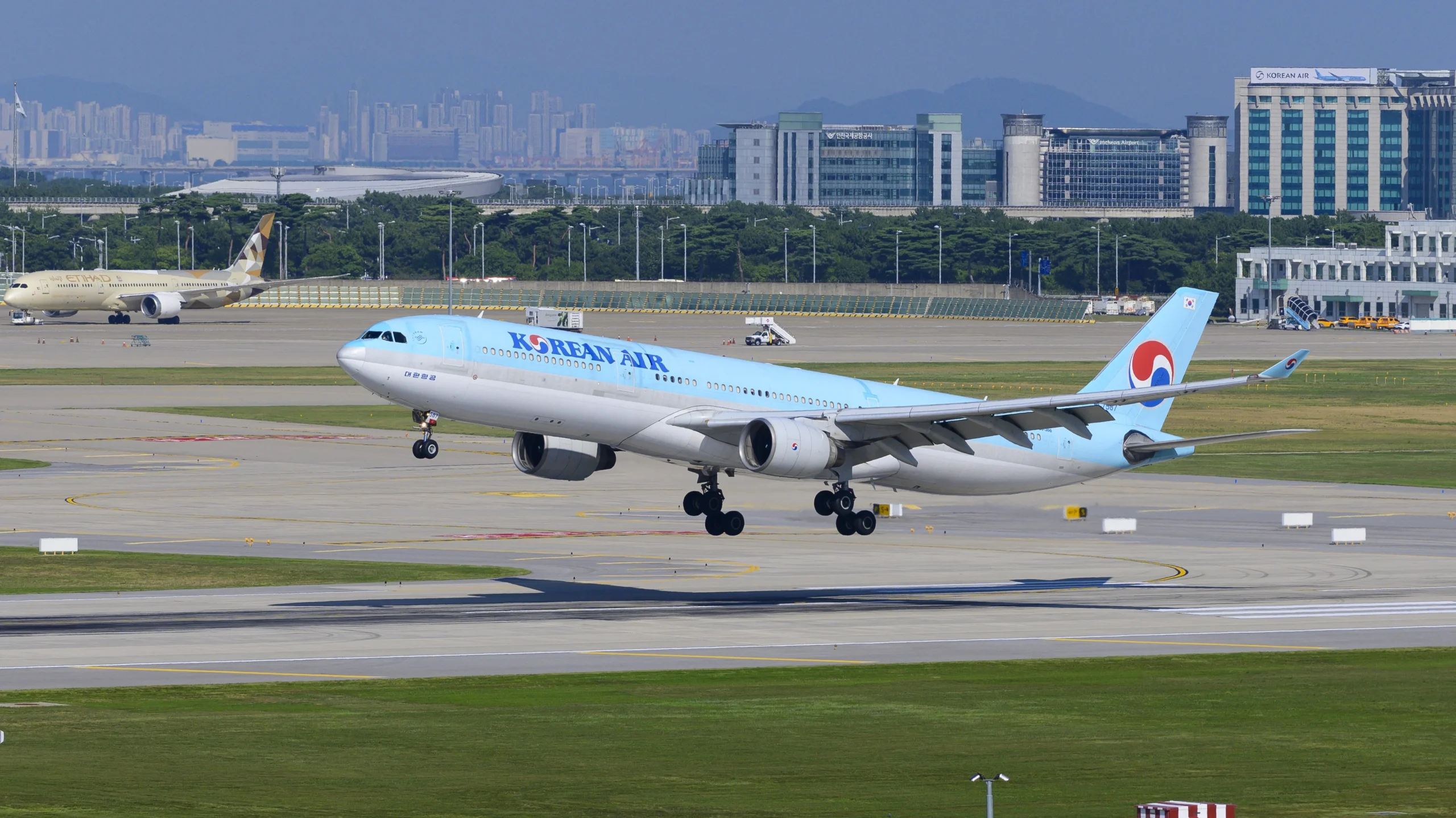
Korean Air has cemented its future fleet strategy with a landmark $44.8 billion agreement covering 103 Boeing aircraft, 21 spare engines, and a 15-year maintenance contract. The deal, signed in Seoul on September 15, positions the carrier for expansion and renewal as it prepares to absorb Asiana Airlines in December 2026.
The order comprises 20 Boeing 777-9s, 25 787-10s, 50 737-10s, and eight 777-8 Freighters, with a combined list price of $36.2 billion. This mix of single-aisle, widebody, and freighter aircraft gives Korean Air flexibility across short-haul regional routes, long-haul intercontinental services, and cargo operations.
Asia-Pacific: The epicenter of aircraft demand
The scale of Korean Air's investment is a direct response to the region's robust growth outlook. According to Airbus's Global Market Forecast 2026-2045, Asia-Pacific will account for 45% of global demand for new passenger aircraft, requiring 19,120 of the 42,060 aircraft needed worldwide over the next two decades. Passenger traffic in the region is projected to grow 5.1% annually, outpacing the global average of 3.9%, with volumes expected to more than double by 2045.
About one-third of these aircraft will replace aging fleets, while the remainder supports network expansion. The region's demand is split between 15,700 single-aisle and 3,420 widebody aircraft, reflecting both the growth of domestic and intra-regional travel and sustained long-haul connectivity.
India and Southeast Asia: New growth frontiers
India stands out as one of the fastest-growing aviation markets, with domestic traffic forecast to expand at 9.3% annually. China is expected to require 8,830 passenger aircraft through 2045, followed by India at 3,480 and the rest of Asia-Pacific at 6,880. Southeast Asia also remains a key driver, fueled by economic growth, urbanization, and a rising middle class.
This growth is reshaping network structures. Rather than relying solely on mega-hubs like Singapore, Hong Kong, Bangkok, Seoul, and Tokyo, airlines are increasingly launching direct flights between secondary cities. Airbus estimates that the A220 could unlock over 800 new unserved city pairs in Asia-Pacific, while the A321XLR could open more than 2,200 potential routes. This decentralization is set to elevate smaller airports and secondary cities in the region's tourism landscape, reducing the need for connections through traditional hubs.
Korean Air's post-Asiana strategy
For Korean Air, the Boeing order is integral to its transformation ahead of the December 16, 2026 integration with Asiana Airlines. The combined carrier will begin operations under the Korean Air name on December 17, with reservation transfers and flight number changes already underway. The new aircraft will support the merged airline's fleet renewal and capacity growth, ensuring a stable introduction schedule for years to come.
The investment also signals confidence in the long-term prospects of Asia-Pacific aviation, even as carriers worldwide grapple with supply chain constraints and delivery delays. Korean Air's commitment to Boeing underscores the manufacturer's continued relevance in the region, despite competition from Airbus and emerging players.
Industry analysts note that this order is not just about fleet modernization; it is a strategic move to solidify Korean Air's position as a leading global carrier. The inclusion of 777-8 Freighters highlights the airline's focus on cargo, a segment that has proven resilient and profitable.
As Asia-Pacific's aviation market evolves, Korean Air's bold investment serves as a bellwether for the industry. With Asia-Pacific set to drive nearly half of global aircraft demand, the region's carriers are positioning themselves for a new era of connectivity and competition.
The deal also reflects broader trends in fleet renewal and network expansion that are reshaping the region's travel landscape. For travel professionals, this signals increased capacity, new route opportunities, and a more dynamic competitive environment across Asia-Pacific.