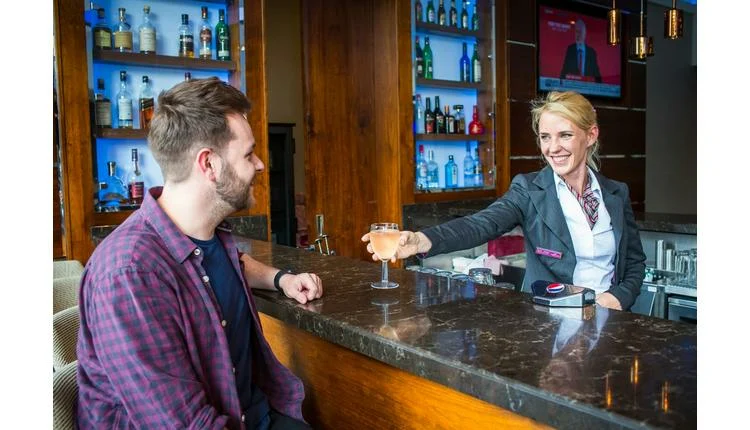
The hospitality industry is shifting its view of loyalty programs from marketing add-ons to core strategic assets, according to a new white paper titled Loyalty Reimagined. Authored by Michael Toedt, CEO of dailypoint, and Silke Bartsch, a professor at Hochschule Mittweida, the report argues that well-designed loyalty initiatives can directly enhance profitability and guest engagement.
Toedt is blunt about the common misconception: loyalty is not simply a points program. “Frequent customers stay more often, spend more, and are less price-sensitive,” he says, stressing that hotels need a comprehensive strategy that goes beyond transactional rewards. The paper suggests that emotional engagement—built on trust and personalization—is the key driver of true loyalty.
From points to purpose
The white paper recommends that hotels first define clear business objectives, such as increasing direct bookings or improving guest retention, before designing any reward structure. This aligns with broader industry moves, such as Carnival Cruise Line’s revamped loyalty scheme, which also focuses on member value beyond simple perks.
To measure success, the authors emphasize the use of Key Performance Indicators (KPIs) that tie loyalty efforts to tangible business outcomes. This data-driven approach is increasingly critical as hoteliers navigate the balance between personalization and privacy—a challenge highlighted in recent discussions about AI adoption and guest loyalty.
Sustainability as a loyalty lever
Sustainability is another pillar of the new loyalty paradigm. Bartsch notes that 56% of travelers prefer accommodations that offer sustainable incentives. The paper advises integrating eco-friendly rewards, such as booking green rates or choosing low-carbon transportation, into loyalty programs. This approach not only appeals to environmentally conscious guests but also helps hotels differentiate themselves in a crowded market.
The report’s guidance comes at a time when hotel loyalty portfolios are expanding globally. For instance, GHA has added Turkish and Polish hotel brands to its network, reflecting the growing importance of loyalty in driving cross-brand engagement.
Toedt and Bartsch argue that with strong data foundations and a focus on emotional connection, hotels can better measure the impact of loyalty on business performance. They urge hoteliers to treat loyalty as a competitive advantage, not a cost center.
As guest expectations evolve, the white paper positions loyalty programs as a strategic tool for long-term growth. For hoteliers, the message is clear: loyalty is no longer just about points—it’s about building relationships that drive repeat business and advocacy.