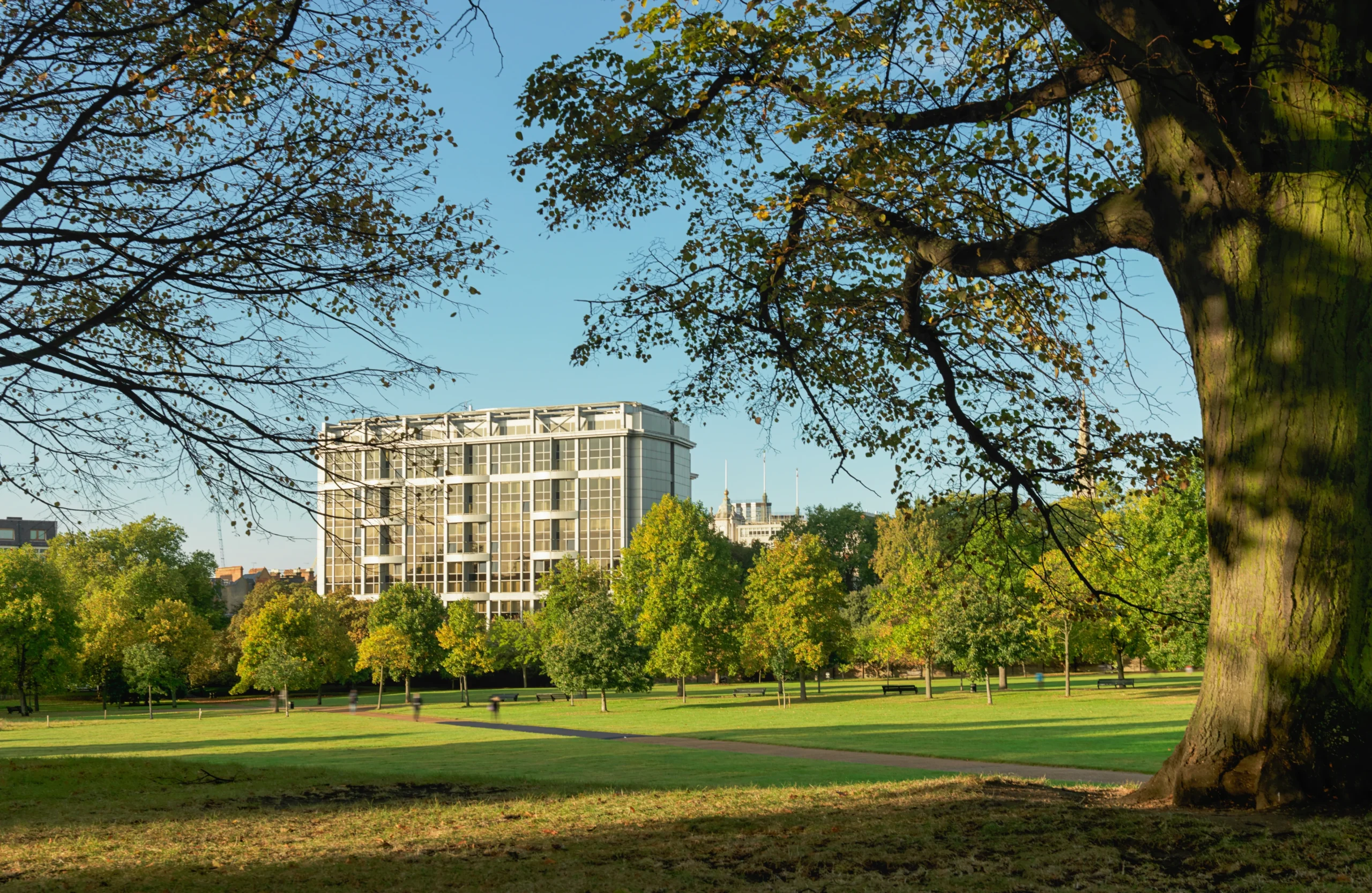
London's Royal Garden Hotel has moved to modernise its commercial operations with the deployment of IDeaS G3 Revenue Management System (RMS), a decision that reflects the property's response to a more volatile international travel landscape. The five-star hotel, located adjacent to Kensington Gardens, will use the platform to automate pricing decisions and sharpen demand forecasting across its diverse customer base.
The 396-room property serves a broad mix of international leisure travellers, corporate clients, and visiting sporting teams. That varied business profile, according to the hotel's commercial leadership, requires a more granular approach to understanding booking patterns and revenue opportunities than traditional manual methods allow.
Adapting to shifting demand patterns
Recent changes in source markets have underscored the need for more dynamic revenue management. The hotel has observed particular strength during the summer season, when guests from the Middle East and the United States form a significant share of occupancy. The IDeaS G3 RMS will enable the property to adjust room rates and availability in near real time, using advanced analytics to identify when demand is building and how far in advance bookings are being made.
Gareth Quin, commercial director at Royal Garden Hotel, highlighted the importance of these insights. "Recent shifts in international demand have reinforced how important it is for us to understand when demand is building, how far in advance guests are booking and where the strongest opportunities lie," he said. The system, he added, will reduce the manual effort involved in pricing while improving the accuracy of forecasts.
The move comes as hoteliers across Europe grapple with uneven recovery patterns and changing booking lead times. For properties like Royal Garden, which rely on a mix of transient and group business, the ability to model demand across segments is becoming a competitive necessity. The hotel's group business, in particular, often extends beyond room nights to include food and beverage and event spend, making comprehensive revenue evaluation critical.
Warren Mandelbaum, principal sales director EMEA at IDeaS, said the collaboration would support the hotel's long-term commercial strategy. "We are proud to support Royal Garden Hotel's commercial team with data-driven insights that enable informed decisions for sustainable growth," he noted. The deployment is part of a broader push by IDeaS to expand its footprint among European luxury properties.
Royal Garden's adoption of the G3 RMS is not an isolated case. The hospitality sector is increasingly turning to automation and artificial intelligence to optimise revenue, a trend highlighted in recent industry research. A study by h2c found that hotel AI adoption is outpacing strategy, suggesting that many properties are implementing tools faster than they are refining the processes around them. Royal Garden's approach, by contrast, appears to be driven by a clear commercial rationale.
The hotel's decision also aligns with a wider movement among London's luxury hotels to invest in technology that supports more agile pricing. With competition intensifying from both traditional rivals and new entrants, properties are seeking ways to differentiate on service while maintaining yield. The IDeaS system is expected to give Royal Garden a more precise view of demand elasticity, allowing it to capture upside during peak periods without sacrificing occupancy in softer months.
For travel professionals, the development underscores the growing importance of revenue management systems in the hospitality sector. As international travel patterns continue to shift, hotels that can anticipate demand and adjust pricing dynamically will be better positioned to maximise profitability. The Royal Garden Hotel's move is a case study in how a legacy property can modernise its commercial operations without losing its brand identity.
The implementation is part of a broader commitment by the hotel to upgrade its operational infrastructure. While the immediate focus is on revenue management, the property has signalled that further technology investments are likely as it seeks to maintain its competitive edge in the London market.