The Maldives' reputation as the world's premier island getaway is under threat as a wave of aggressive tax hikes and rapid legislative changes unsettle the luxury tourism sector. Industry stakeholders warn that the fiscal measures, introduced to shore up the Indian Ocean nation's dwindling foreign exchange reserves, are eroding investor confidence and alienating international distribution networks.
At the heart of the controversy is the Eighth Amendment to the Goods and Services Tax (GST) Act, which imposes a 17 percent Tourism Goods and Services Tax (TGST) on offshore intermediaries operating on a destination-principle basis. This move has triggered sharp pushback across global trade networks, with key trade bodies and online travel agencies (OTAs) cautioning that they may halt the marketing and distribution of Maldivian holiday packages altogether.
European trade bodies cry foul
European travel federations, including ABTA and ECTAA, have been vocal in their opposition. They point out that upcoming winter programmes were contracted and sold months in advance at fixed price points. Strict consumer protection mandates prevent operators from passing retrospective tax increases onto consumers, leaving trade partners to absorb the 17 percent hit on already compressed margins.
Compliance hurdles add to the strain. The regulation obliges foreign entities lacking a physical presence in the country to register directly with the Maldives Inland Revenue Authority (MIRA). Trade associations flag that this requirement presents significant compliance, data privacy, and administrative challenges, further deterring international partners.
The destination-tax levy follows a sequence of local tax adjustments that have progressively elevated the landed cost of a Maldivian getaway. The nightly Green Tax has doubled to US$12 per person for standard resort properties and US$6 for smaller local guesthouses. Concurrently, airport departure taxes and development fees surged in late 2024; while economy travellers faced modest adjustments, premium segment fees climbed sharply, rising to US$120 for business class, US$240 for first class, and US$480 per passenger for private jet arrivals.
Cruise sector already voting with its feet
Industry representatives stress that the luxury sector relies heavily on commercial predictability. In a global marketplace where competing destinations across Southeast Asia, the Caribbean, and the Middle East actively court high-net-worth travellers, imposing disproportionate tax levies risks pushing major booking platforms to redirect premium volume elsewhere.
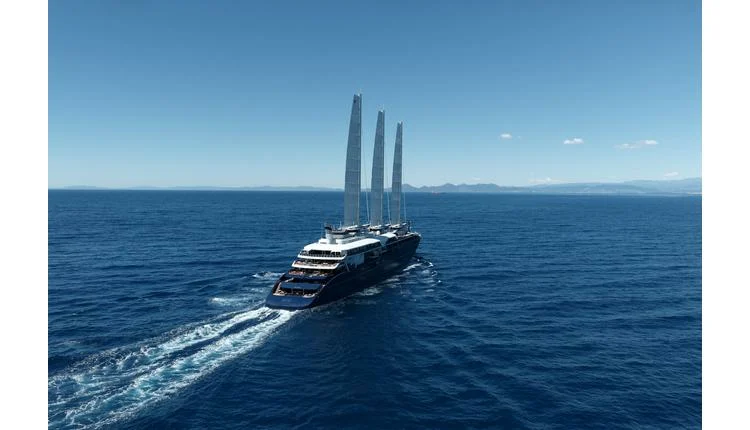
The potential for market displacement is already evident in the cruise sector. Following the implementation of a 16 percent TGST levied on daily passenger room rates, several major international cruise lines opted to remove the Maldives from their itineraries. The loss of port calls delivered an immediate economic blow to local shore-excursion operators, retail vendors, and island supply networks.
As the government balances macroeconomic stabilisation with trade relations, the tourism sector faces a crucial test: maintaining its standing as the world's premier island getaway amid an increasingly complex tax environment. The Maldives' luxury appeal, built on pristine beaches and exclusive resorts, is now at risk of being undermined by fiscal policy that many see as short-sighted.
For travel professionals, the implications are clear. The Maldives remains a top-tier destination, but the new tax regime is making it less competitive. Operators are already exploring alternatives, and the country's tourism board must act swiftly to reassure partners and preserve its market position. The coming months will be critical in determining whether the Maldives can weather this storm or cede ground to rivals.