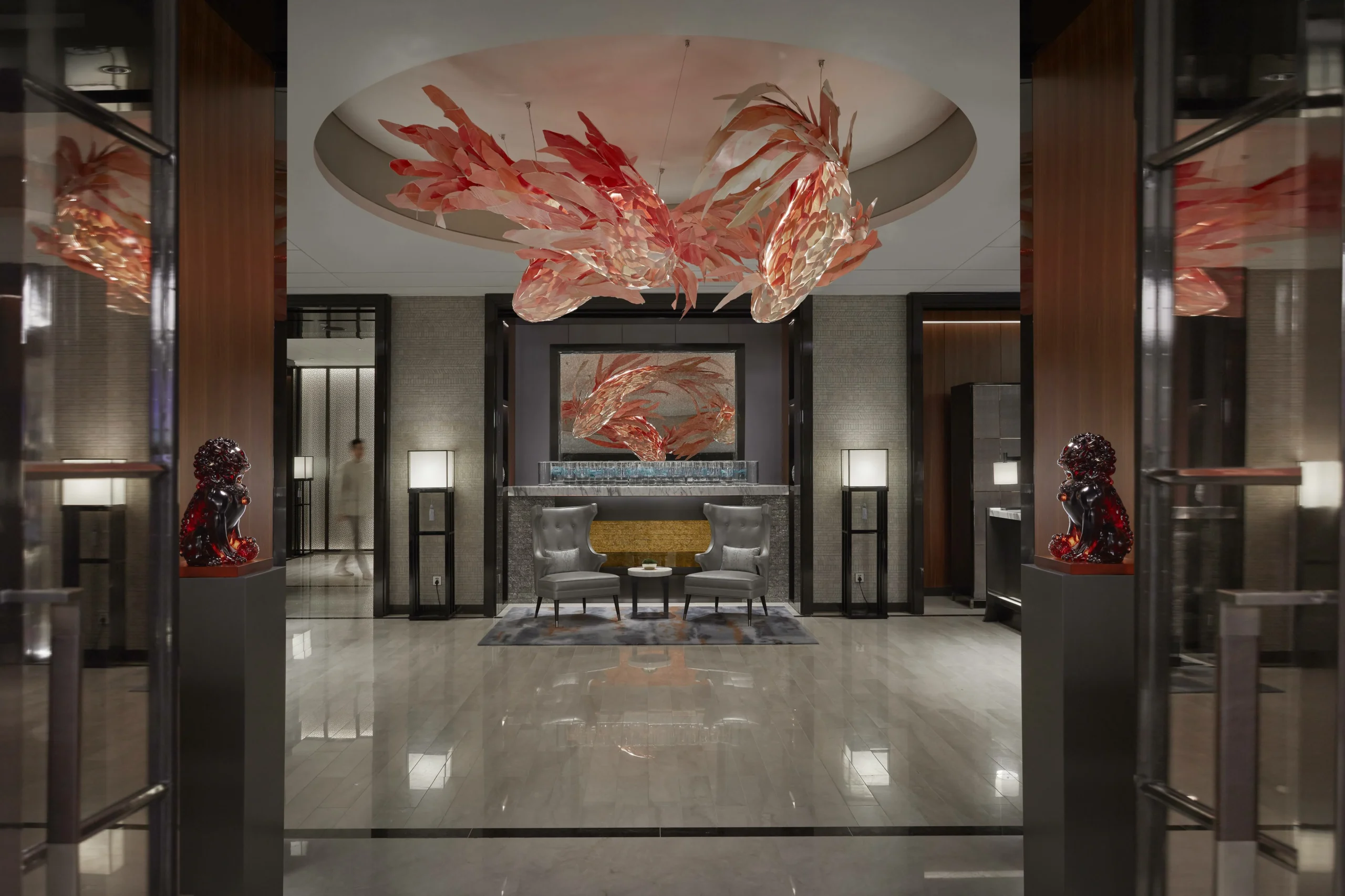
Mandarin Oriental has finally planted its flag in Beijing, and it did so with a property that trades sheer scale for intimacy and a singular, unobstructed view. Mandarin Oriental Wangfujing, Beijing occupies the top two floors of WF CENTRAL, Hongkong Land's premium retail complex in the historic Wangfujing district. The hotel's 73 rooms and suites all start at 55 square metres, among the most generous footprints in the capital, and many offer direct sightlines to the golden rooftops of the Forbidden City through floor-to-ceiling windows.
A residential feel, with imperial echoes
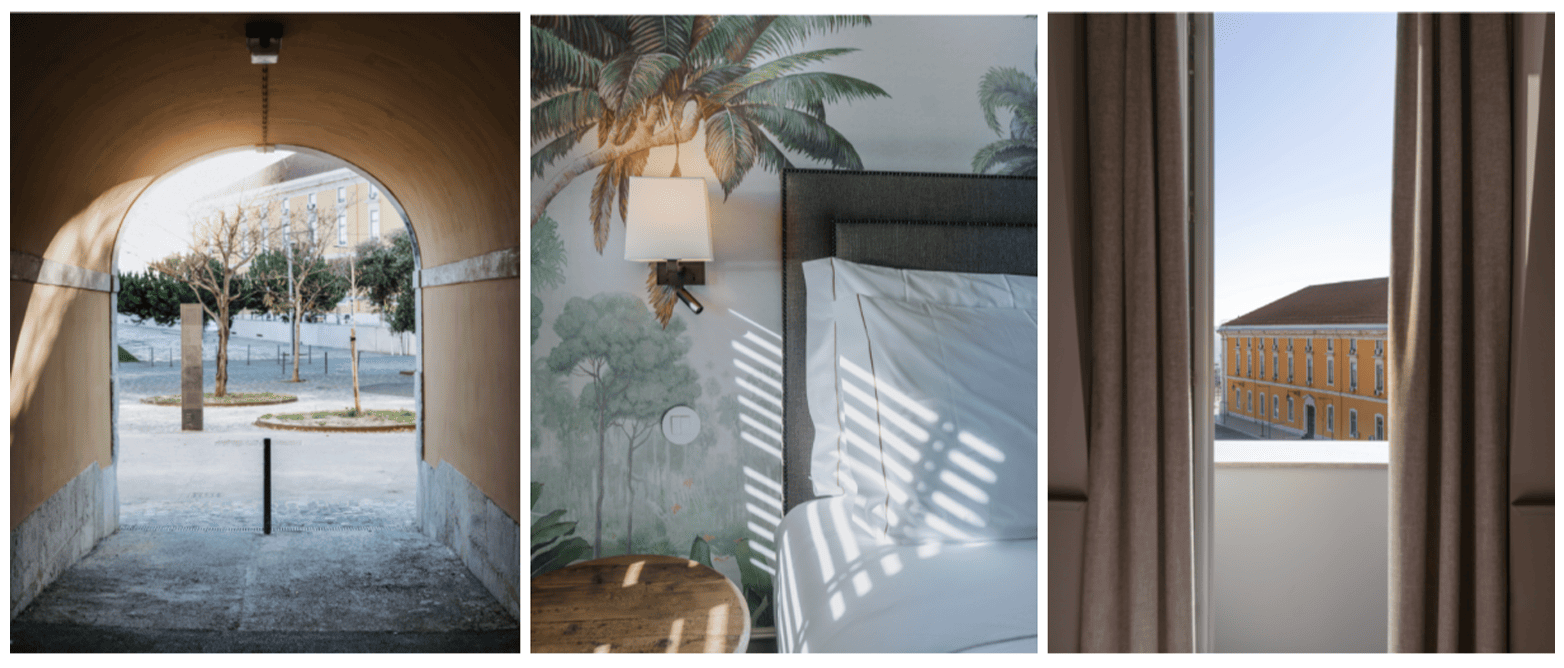
Design firm Hirsch Bedner and Associates opted for a warm, residential aesthetic rather than overt opulence. Hand-selected wood tones, a soft contemporary palette, and subtle nods to imperial-era China define the interiors. Each room features a large octagonal table suitable for work or dining, and amenities include Diptyque toiletries, Dyson hairdryers, Bose speakers, Nespresso machines, and a Begg & Co. cashmere throw. Bathrooms are clad in marble with heated floors, double basins, and walk-in rain showers.
For guests requiring more space, suites range from 100 to 260 square metres. The Presidential Suite on the 5th floor offers 260 square metres of living area plus a 300-square-metre private terrace styled after a prince's courtyard mansion. It is designed for both entertaining and executive offsites, with the Forbidden City as a constant backdrop.
Rooftop dining with a UNESCO view
The hotel's dining venues share a rooftop terrace that provides uninterrupted views of the UNESCO-listed palace complex. Mandarin Grill, overseen by Chef Christophe Riou, reimagines the New York steakhouse with natural, additive-free charcoal and a wine list of over 100 labels from both hemispheres. Interiors by Adam D. Tihany keep the space intimate, with tableside service designed to encourage lingering. Café Zi offers all-day dining with modern Cantonese cuisine and a well-regarded dim sum lunch; its Chinese name is a subtle homage to the Forbidden City. After dark, MO Bar features resident and touring DJs, cocktails inspired by Beijing, and two hidden gold-finished private rooms for discretion.
Wellness wing with local heritage treatments
The Spa at Mandarin Oriental Wangfujing occupies its own dedicated wing with four themed suites: the Mirror Suite for healing, the Moroccan-inspired Flower Suite for couples, the Water Suite for treatments, and the Moon Suite for beauty. Signature experiences include the jade-and-Gua-Sha Emperor's Longevity ritual and a fully immersive Hammam-style Moroccan Suite Experience. A 25-metre indoor lap pool sits under a glass skylight, and the fitness centre features the SKILL RUN treadmill, which combines resistance training with cardio.
The location places guests within walking distance of Tiananmen Square, the National Museum, and Beijing's hutong alleyways. The Temple of Heaven, 798 art district, and Summer Palace are a short ride away, and the Great Wall is under 90 minutes by car. Forbes Travel Guide awarded both the hotel and its spa a five-star rating in 2026, a rare double recognition that signals its rapid establishment among the city's elite addresses.
For travel professionals, this property represents a new benchmark for boutique luxury in Beijing. It competes directly with other high-end addresses such as The Peninsula Beijing and the Four Seasons Hotel Beijing, but its intimate scale and direct Forbidden City views give it a distinct positioning. The hotel's design and service standards also align with the broader trend of luxury hotels offering curated, residential experiences rather than traditional grand lobbies. For agents and tour operators, the property is well-suited to high-net-worth clients seeking exclusivity and cultural immersion, particularly those interested in combining a stay with visits to the Forbidden City and nearby heritage sites.
Mandarin Oriental's entry into Beijing also underscores the brand's strategy of targeting key global capitals with boutique properties. The group's portfolio includes similar intimate hotels in Paris, Tokyo, and New York, and this Beijing outpost reinforces its commitment to the Asia-Pacific luxury market. For hoteliers and investors, the property's success may signal opportunities for similar boutique developments in other Chinese cities with strong cultural tourism demand.