The global medical tourism market is on track to surpass US$200 billion by next year, propelled by an estimated 14 million to 20 million patients crossing borders for treatment each year. As healthcare costs in North America and Europe continue to climb and public systems struggle with long wait times, cross-border care has evolved from a cost-saving alternative into a comprehensive, technology-driven journey.
Specialization and AI reshape the patient experience
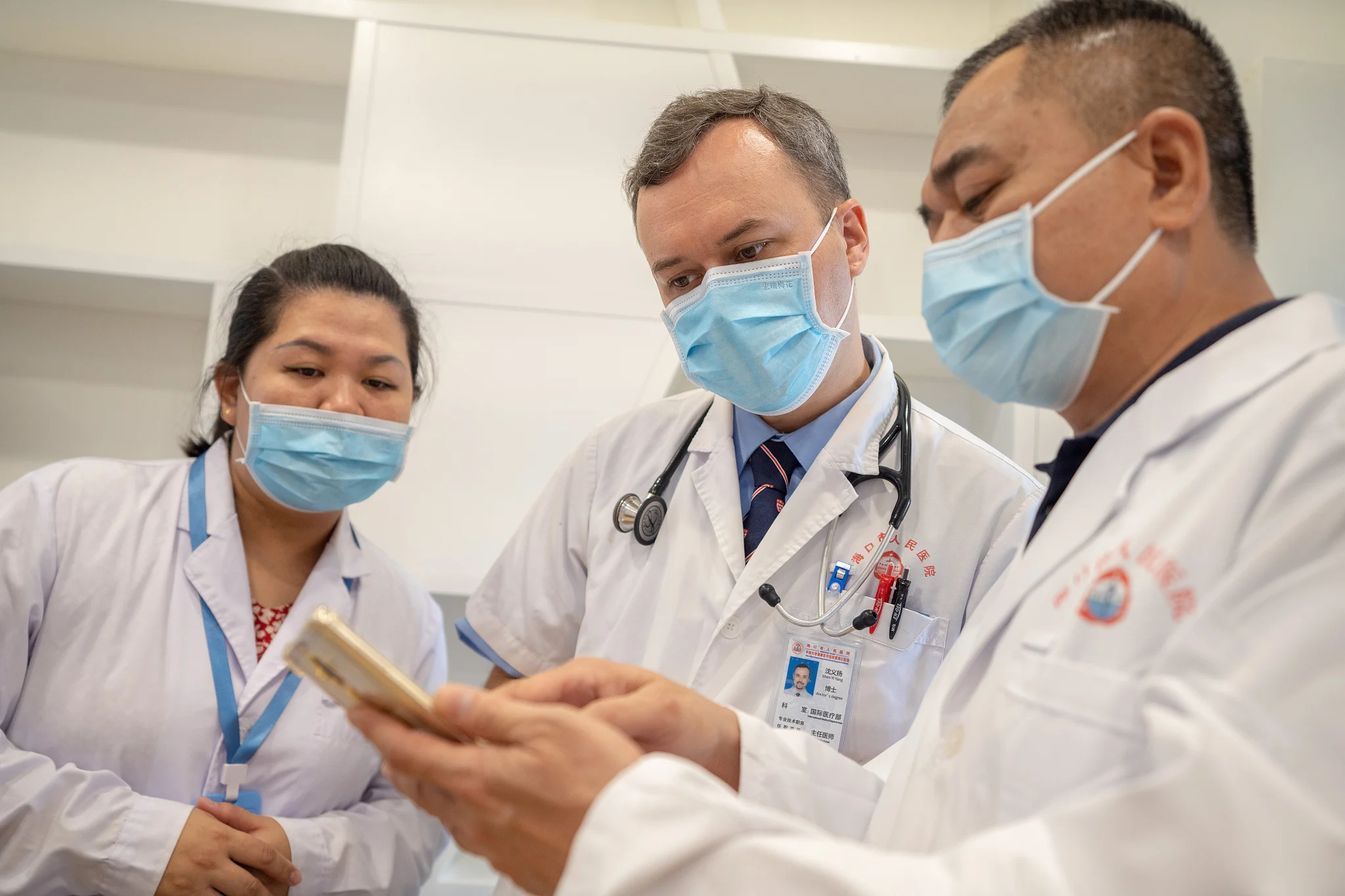
The days of fragmented, anxiety-ridden communication across time zones are fading. Leading international hospital networks are now deploying generative AI to triage symptoms, translate medical histories, and coordinate diagnostic schedules. Post-discharge care has also become more robust, with top facilities bundling 90-day virtual follow-ups and partnering with local clinics in patients' home countries to ensure seamless recovery.
Medical destinations are no longer marketing themselves as generic discount clinics. Instead, they are carving out hyper-specialized niches. Thailand remains the undisputed hub for cosmetic surgery, while India has become the go-to for complex cardiac procedures at a fraction of Western costs. Malaysia has built a reputation as a leader in Muslim-friendly healthcare, and Mexico dominates North American demand for dental and bariatric treatments. The United Arab Emirates, meanwhile, caters to a premium clientele, blending luxury hospitality with zero wait times.
Orthopedic and fertility travel on the rise
Orthopedic travel is expanding at a compound annual growth rate of 20.45 percent, driven by high-precision, robotic-assisted surgical technology. Reproductive health and fertility networks are also emerging as a rapidly growing niche, with cross-border patients seeking advanced treatments that may be more accessible or affordable abroad.
Decentralization and the longevity boom
Medical travel is decentralizing beyond primary capitals. Secondary Tier-2 cities, backed by targeted infrastructure investment and expanding regional airport routes, are now home to state-of-the-art private facilities. These clinics operate with lower overheads and pass significant savings to consumers without compromising clinical standards.
The line between critical surgery and proactive health optimization is blurring. Modern health travelers increasingly seek vitality alongside treatment, fueling demand for longevity, sleep-restoration, and neuro-wellness programs. Destinations across Southeast Asia and the Middle East are responding by building dedicated bio-hacking retreats and anti-aging clinics directly alongside traditional hospital campuses.
As technology compresses distances and regional hubs refine their capabilities, medical travel is proving that modern healthcare is no longer bound by geography. The contemporary practice of cross-border healthcare is driven by precision, accessibility, and choice.
For travel professionals, this trend opens new opportunities in Middle East tourism, where premium medical offerings align with luxury hospitality. Similarly, Asia Pacific airlines are seeing increased demand on routes serving medical hubs, and hotels are adapting to cater to the growing number of medical travelers.