Norse Atlantic Airways has posted a 35% year-on-year increase in unit revenue (TRASK) for September, reaching 5.8 US cents per available seat kilometre. The growth comes as the Oslo-based long-haul carrier deliberately trimmed capacity in response to elevated fuel prices, which reduced passenger volumes but kept aircraft nearly full.
The airline's load factor stood at 96.9% for the month, underscoring robust demand on its transatlantic and other long-haul routes. CEO Eivind Roald attributed the performance to a strong network and stable operations, noting that unit revenue for the year to date is up 25% compared with the same period in 2025.
Strategic focus on the Far East
Roald highlighted the carrier's winter programme, which places a strategic emphasis on the Far East. “Unit revenue to date in 2026 is up 25% from last year, as Norse maintains a strong network performance with close to full aeroplanes and stable operational performance,” he said. He added that booking momentum for the Far East routes is positive, signalling confidence in the airline's expansion into markets such as Bangkok and Tokyo.
In September, Norse operated 211 scheduled flights and 177 ACMI/charter flights, a sharp increase from 66 charter flights in the same month last year. The total number of passengers carried fell 32% year-on-year to 109,202, a direct result of the capacity reductions.
The airline completed 99% of its scheduled flights, with 70% departing within 15 minutes of schedule. However, on-time performance was affected by air traffic control delays and disruptions linked to the Middle East conflict, which continue to ripple through European airspace.
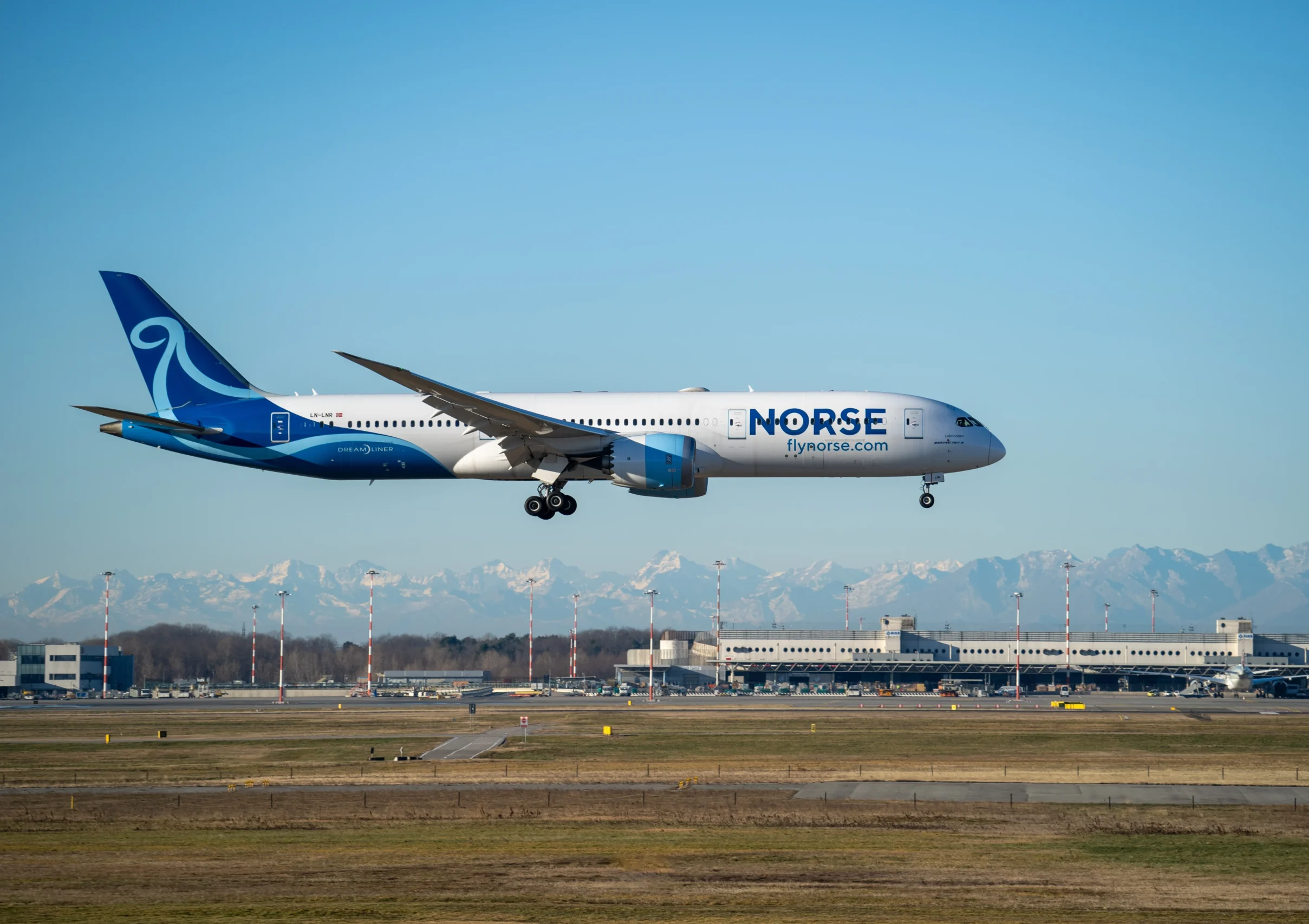
Norse Atlantic continues to explore additional fleet allocation in the charter and ACMI markets, leveraging its modern fleet of 12 Boeing 787 Dreamliners. The aircraft serve destinations across North America, Europe, Africa, and Asia, giving the carrier flexibility to pivot between scheduled and charter operations as market conditions evolve.
The September results come as other carriers adjust their networks for the winter season. For instance, Air Canada is expanding its Latin America network from Toronto and Montreal, while Virgin Atlantic is set to launch London–Phuket nonstops in October 2026. Norse's focus on the Far East aligns with a broader industry trend toward high-growth Asian markets.
Industry analysts note that Norse's ability to maintain high load factors while cutting capacity reflects disciplined capacity management. The carrier's ACMI business, which provides wet-lease services to other airlines, has become a key revenue stream, and the company is actively seeking more opportunities in that segment.
With a lean cost base and a young, fuel-efficient fleet, Norse Atlantic is positioning itself to weather fuel price volatility while capitalising on demand for long-haul travel. The airline's winter schedule, with its Far East emphasis, will be a critical test of its strategic pivot.