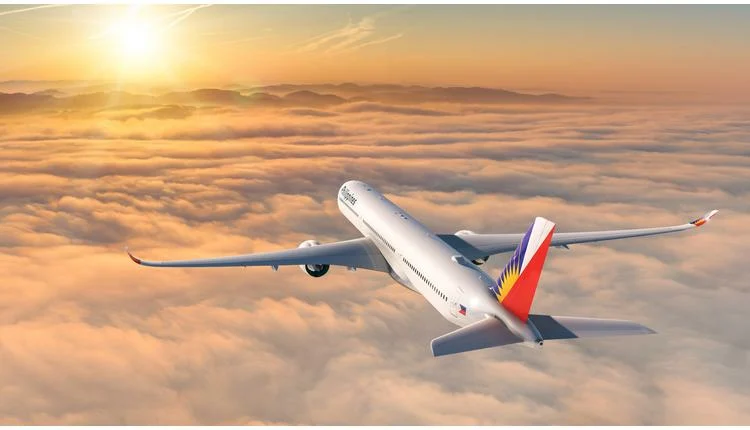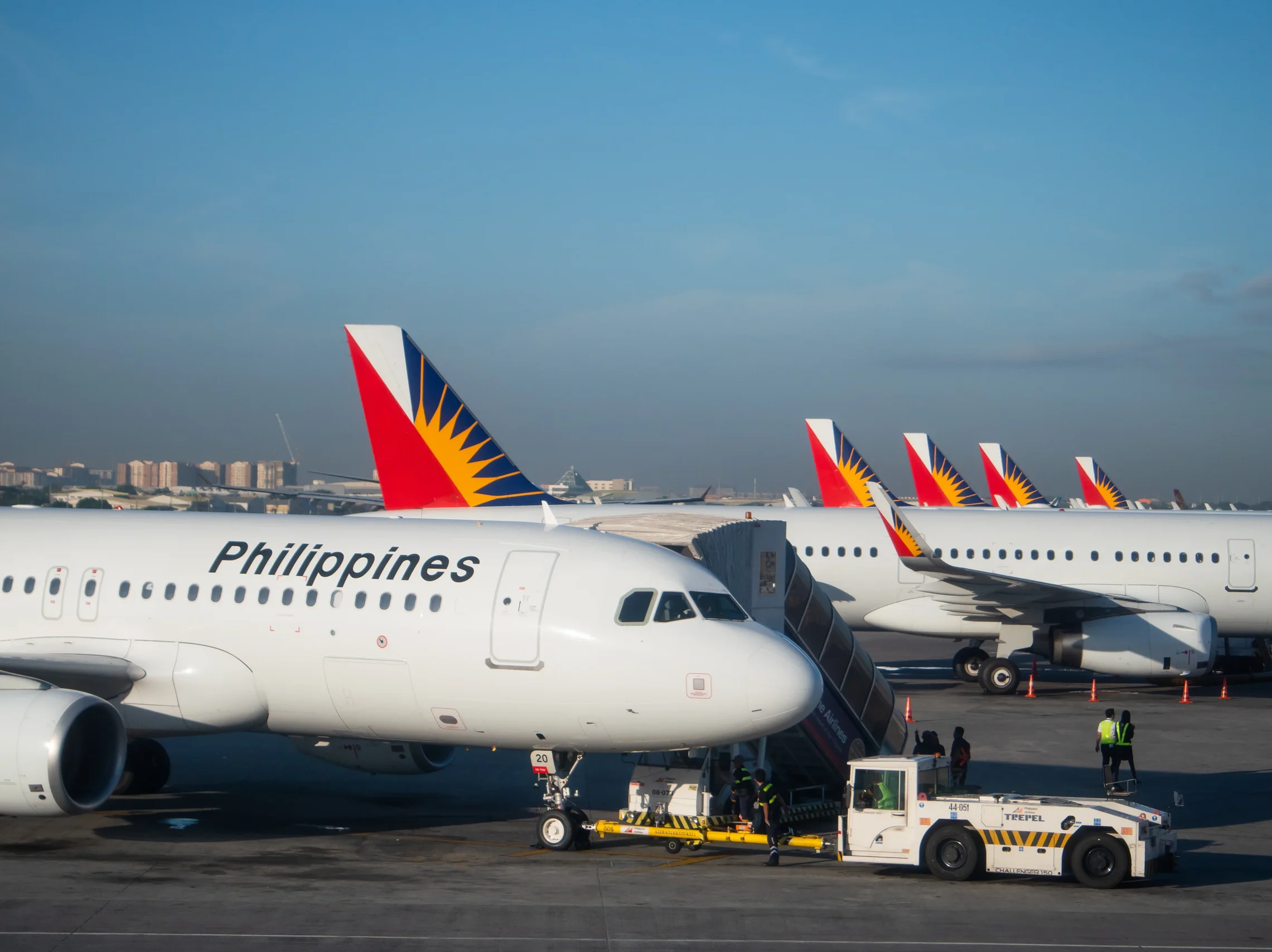
Philippine Airlines (PAL) is set to deepen its footprint in South Asia with the planned launch of nonstop services from Delhi and Mumbai to its Manila hub, scheduled to begin in December 2026. The flag carrier has filed for approval from the Indian government, and if granted, the new routes will mark PAL's first direct link from India's financial capital and a significant expansion from the national capital.
The airline will operate three weekly flights from Delhi (PR643) on Tuesdays, Thursdays, and Saturdays, with return services (PR642) on Mondays, Wednesdays, and Fridays. From Mumbai, PAL will introduce its inaugural service (PR647) with four weekly departures on Mondays, Wednesdays, Fridays, and Sundays, returning (PR646) on Tuesdays, Thursdays, Saturdays, and Sundays. All flights will be operated with the Airbus A321neo, configured with 12 Business Class and 156 Economy Class seats.
Strategic expansion into India
The move underscores PAL's ambition to capture a larger share of the growing India–Southeast Asia travel market. India has emerged as a key source market for Philippine tourism, with visitor arrivals climbing steadily in recent years. The new routes are expected to stimulate both leisure and business travel, while also providing Indian passengers with convenient connections through Manila to destinations across Southeast Asia, North America, Australia, and North Asia.
PAL President Richard Nuttall expressed optimism about the new services, highlighting the airline's commitment to delivering its signature Filipino hospitality to Indian travelers. "We are excited to welcome more guests from India and offer them seamless access to the Philippines and beyond," Nuttall said in a statement.
The airline has tailored its onboard product to appeal to Indian passengers, featuring Indian-inspired inflight meals, including vegetarian and Jain options, as well as curated entertainment content. This focus on local preferences is part of PAL's broader strategy to differentiate itself in a competitive market.
Boosting cargo and connectivity
Beyond passenger traffic, the new routes will enhance PAL's cargo capacity, facilitating efficient shipments from India through Manila to the airline's extensive network. This is particularly relevant given the strong trade flows between India and the Philippines, which have been growing in sectors such as electronics, pharmaceuticals, and agricultural products.
Indian nationals visiting the Philippines for tourism or business can enter visa-free for up to 14 days, subject to entry requirements. This policy is expected to make the new routes more attractive to Indian travelers, who currently face visa hurdles in many other destinations.
The launch of these services comes at a time when airlines are recalibrating their networks in response to shifting demand patterns. As geopolitical friction reshapes how seasoned travellers plan routes, carriers are increasingly looking to high-growth corridors like India–Southeast Asia. PAL's move also aligns with the broader trend of Indian carriers expanding their international footprint, as seen with InterGlobe Air Transport becoming STARLUX GSA in India.
Industry analysts note that the Delhi–Manila and Mumbai–Manila routes will face competition from existing one-stop services via hubs like Singapore, Bangkok, and Hong Kong. However, PAL's nonstop offerings will significantly reduce travel time, making them an attractive option for time-sensitive business travelers and tourists alike.
The airline has yet to announce specific launch dates or ticket pricing, but flights will be available for booking through PAL's website, mobile app, ticket offices, and accredited travel agents once regulatory approval is secured. PAL's expansion into India is part of a broader strategy to strengthen its position as a leading carrier in the Asia-Pacific region, leveraging its Manila hub to connect key markets across the globe.
With the Indian government's approval still pending, the industry will be watching closely to see if PAL can deliver on its promise of enhanced connectivity between the two nations. If successful, the new routes could pave the way for further expansion, potentially including additional Indian cities in the future.