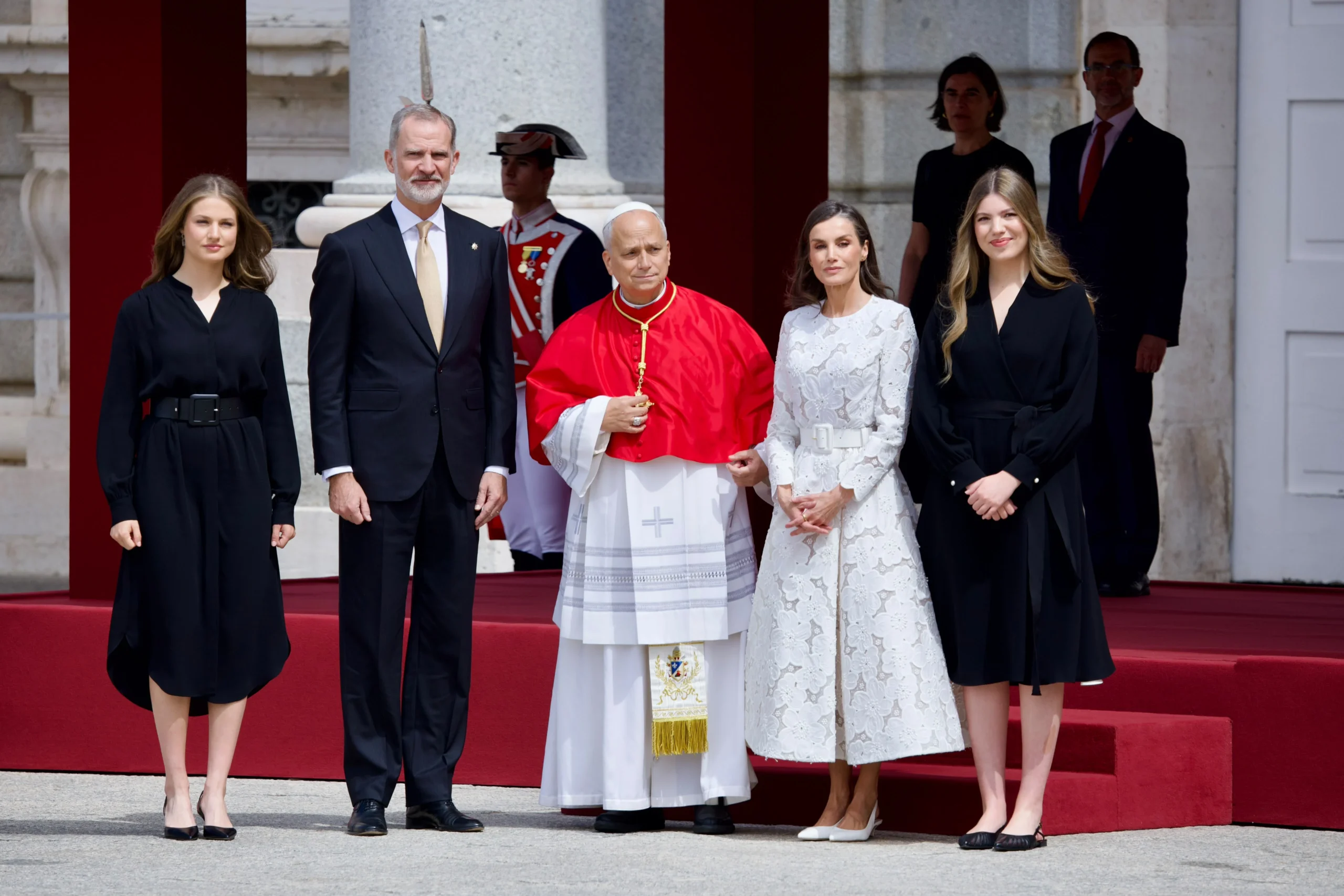
The ongoing visit of Pope Leo XIV to Spain has drawn more than 1.2 million people to Madrid since his arrival on June 6, with total participation expected to reach 1.8 million across related events. Data Appeal Mabrian projects incremental tourism spending of US$86 million, driven by hotel bookings, food and beverage, and retail activity.
Matteo Bruni, director of the press office at the Holy See, highlighted the significance of the pontiff's pilgrimage to a land of ancient Christian traditions. "Spain served as a laboratory of dialogue between different worlds in the heart of the Middle Ages," Bruni said. "A land of great thinkers and Christian culture: the School of Salamanca, where in the sixteenth century scholastic theology and international law met, helping to shape reflection on the rights and dignity of every human person."
Historic Precedents for Religious Tourism
Papal visits have long acted as catalysts for pilgrimage and religious tourism, generating immediate economic booms and long-term destination visibility. The 1995 World Youth Day in the Philippines, which drew five million attendees for the final Mass with Pope John Paul II, cemented the country's reputation as a venue for large-scale MICE events. According to the International Monetary Fund, that event contributed a multi-billion-peso boost to the economy through short-term tourism revenues that paved the way for long-term growth. The influx of hundreds of thousands of pilgrims stimulated hospitality, food and beverage, and retail sectors.
Similarly, recent papal trips by Pope Francis and now Pope Leo XIV have expanded the concept of pilgrimage beyond traditional routes. Contemporary pontiffs have included visits to districts where the destitute and disenfranchised live, transforming pilgrimage from personal devotion into an act of solidarity. This shift appeals strongly to younger travelers seeking purpose-driven experiences, regardless of their faith.
Economic and Strategic Implications for Travel Industry
The World Travel & Tourism Council (WTTC) has emphasized that countries hosting an incumbent Pope can leverage the event to showcase religious history, cultural heritage, and the diversity of their tourism offerings. Gloria Guevara, WTTC president and chief executive, noted: "Major religious tourism events such as papal visits clearly demonstrate the powerful ability of travel and tourism to generate immediate economic impact while also delivering long-term value for destinations. Beyond the significant boost to local businesses, employment and visitor spending, these moments place destinations firmly on the global stage, strengthening their international profile and enhancing future demand."
For travel professionals, the Spain visit offers a case study in how religious tourism can drive demand across multiple sectors. Airlines such as Iberia and Ryanair have reported increased bookings on routes to Madrid, while hotel groups like Meliá Hotels International and NH Hotel Group have seen occupancy rates surge. The event also highlights opportunities for tour operators specializing in pilgrimage itineraries, such as those offered by G Adventures or Intrepid Travel, which have expanded their Spain programs.
The MICE sector stands to benefit as well. The success of large-scale religious gatherings can position destinations for future business events, as seen in the Philippines after 1995. Thailand's TCEB, for example, has launched platforms like JerGan to digitize its MICE sector, demonstrating how destinations can capitalize on event-driven tourism.
Looking ahead, the papal visit reinforces the importance of infrastructure investments. The UAE real estate sector's projected growth to AED 2.98 trillion by 2031, boosting travel infrastructure, mirrors the kind of long-term planning that can support religious tourism surges. Similarly, Malaysia's recent topping of Southeast Asia in visitor arrivals, driven by infrastructure investments, shows how destinations can sustain momentum from major events.
For travel-tech vendors, the data from Data Appeal Mabrian underscores the value of predictive analytics in forecasting spending and visitor flows. Companies like Amadeus and Sabre can leverage such insights to help airlines and hotels optimize capacity during peak pilgrimage periods.
In summary, Pope Leo XIV's visit to Spain is more than a spiritual event—it is a strategic opportunity for the travel industry to understand and harness the economic power of religious tourism. As Guevara noted, these moments place destinations on the global stage, enhancing future demand. For travel professionals, the lesson is clear: pilgrimage tourism is a resilient and growing segment that rewards investment in infrastructure, marketing, and technology.