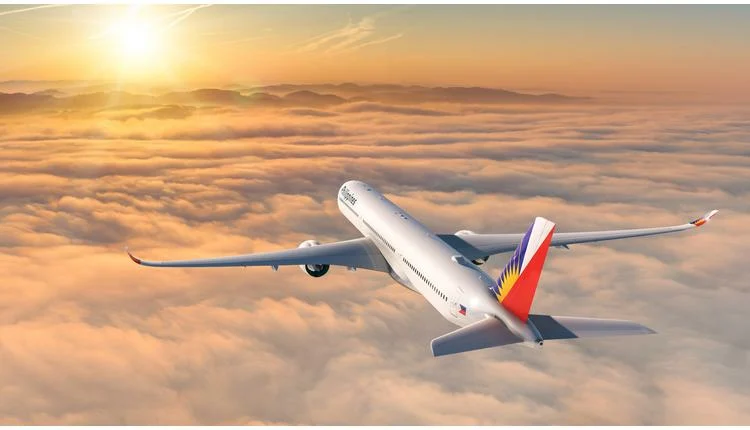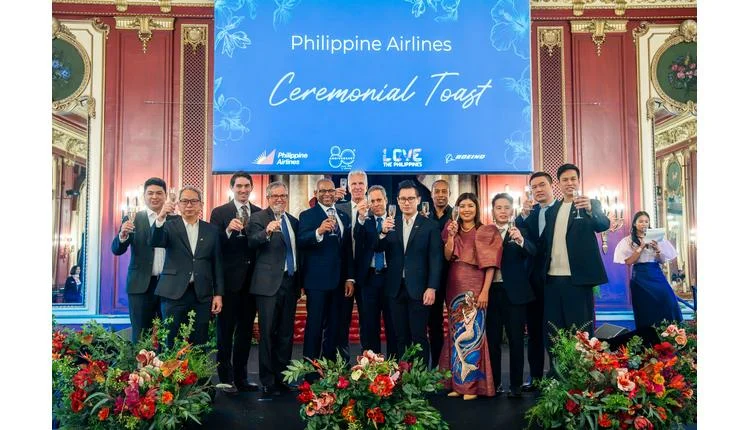
Philippine Airlines (PAL) has officially launched nonstop service between Manila's Ninoy Aquino International Airport and Chicago O'Hare International Airport, marking its first gateway in the American Midwest. The inaugural flight was celebrated on 10 November 2026 at the Palmer House Hilton in Chicago, an event that also commemorated eight decades of PAL's operations connecting the United States and the Philippines.
The new route strengthens PAL's North American network, which now spans eight US cities and two Canadian gateways. Chicago joins existing US points such as Los Angeles, San Francisco, New York, Honolulu, and Seattle, offering travelers from the Midwest a direct link to Manila and onward connections across Asia.
Lucio C. Tan III, President and Chief Operating Officer of PAL Holdings, Inc., underscored the strategic importance of the route. "This service brings us closer to the many Filipinos and Filipino-American families in this part of the United States," he said during the gala, which drew government officials, business leaders, travel industry partners, and media representatives.
The celebration also paid tribute to the Filipino-American community and acknowledged the contributions of travel agency partners and aviation professionals who have supported PAL's growth. Guests enjoyed cultural performances by Filipino music icons Jose Mari Chan and The Company, adding a festive note to the proceedings.
Expanding connectivity and fleet modernization
PAL's expansion into Chicago is part of a broader strategy to enhance connectivity between the Philippines and key international markets. The airline operates nonstop flights from Manila and Cebu to 29 domestic destinations and 41 international points, serving as a vital link for business and leisure travelers alike.
The carrier is also investing in fleet modernization, with new aircraft deliveries aimed at improving passenger comfort and operational efficiency. These initiatives align with PAL's commitment to maintaining a competitive edge in the trans-Pacific market, where demand for US-Philippines travel remains robust.
Industry observers note that the Chicago route fills a significant gap, as the Midwest has long been underserved for direct flights to Southeast Asia. For travel agents and tour operators, the new service opens opportunities for packaged itineraries combining the Philippines with US stopovers, particularly for the large Filipino diaspora in states like Illinois, Michigan, and Wisconsin.
PAL's milestone comes amid a dynamic period for international aviation, with carriers adjusting networks to meet shifting demand. The airline's focus on the US market mirrors broader trends, as seen in SriLankan Airlines' recent expansion to Melbourne and other carriers' route adjustments.
For the MICE sector, the new link could also spur business events, as Manila continues to position itself as a hub for conferences and exhibitions. The ASEAN Summit's recent MICE strategies highlight the region's growing appeal for corporate gatherings, and direct air access from the Midwest enhances Manila's attractiveness.
As PAL celebrates its 80th anniversary, the airline remains a pioneer in Asian aviation, having been the first commercial carrier in the region when it was founded in 1941. The Chicago launch underscores its enduring role in bridging the Philippines with the world, and industry watchers will be keen to see how the route performs in the coming months.