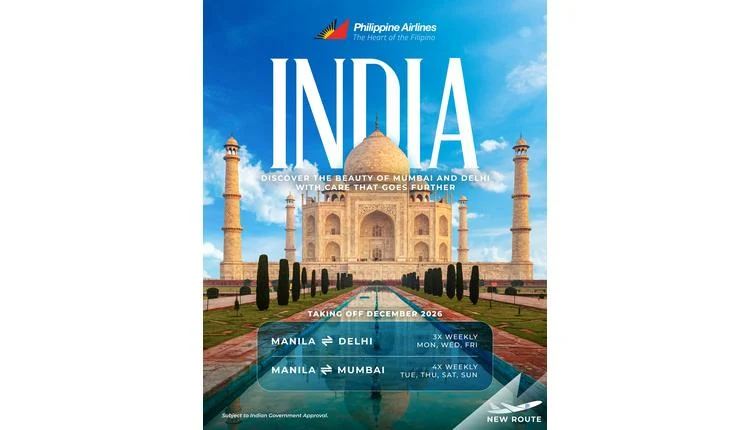
Philippine Airlines (PAL) is preparing to expand its South Asian footprint with new nonstop services from its Manila hub to Delhi and Mumbai, slated to begin in December 2026. The launch is contingent on regulatory approval from the Indian government, a standard step for new international routes into the country.
The move underscores PAL’s strategy to tap into one of Asia’s fastest-growing aviation markets. India’s outbound travel sector has been surging, and the Philippines has seen steady growth in both business and leisure traffic with the subcontinent. By linking Manila directly with Delhi and Mumbai, PAL aims to capture demand from Filipino workers, tourists, and corporate travelers, as well as Indian visitors heading to the Philippines.
Route details and schedule
According to PAL President Richard Nuttall, the new services will strengthen the airline’s network in a key economic region. “These routes will create new opportunities for Filipinos to explore India whilst supporting the growing movement of travellers, businesses, and goods between our two countries,” he said.
The Manila–Delhi route will operate three times weekly, departing Manila on Mondays, Wednesdays, and Fridays at 22:40, arriving in Delhi at 03:00 the following day. Return flights from Delhi will depart on Tuesdays, Thursdays, and Saturdays at 08:15, landing back in Manila at 17:00.
For Mumbai, PAL will offer four weekly frequencies, with departures from Manila on Tuesdays, Thursdays, Saturdays, and Sundays. The return leg from Mumbai will operate on Mondays, Wednesdays, Fridays, and Sundays, providing a balanced schedule for both business and leisure travelers.
Aircraft and onboard product
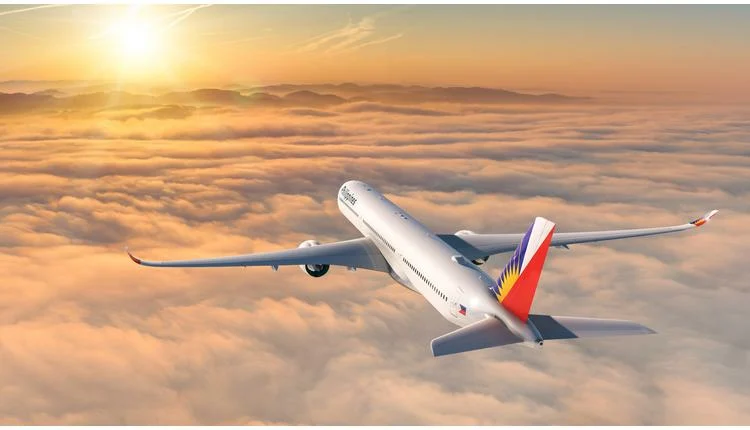
PAL will deploy its Airbus A321neo fleet on both routes, configured with 12 Business Class and 156 Economy Class seats. The aircraft features lie-flat business seats, a modern inflight entertainment system, and PAL’s signature Filipino hospitality. The airline will also offer full meal service on all flights, catering to both Filipino and Indian palates.
The A321neo is well-suited for these medium-haul sectors, offering fuel efficiency and range that make the Manila–India routes economically viable. PAL has been progressively modernizing its narrowbody fleet, and the A321neo has become a workhorse on its regional and medium-haul network.
Cargo and trade implications
Beyond passenger traffic, the new routes will expand PAL’s cargo capacity between the Philippines and India. The airline’s cargo division, PAL Cargo, will utilize the belly hold space on these flights to transport goods such as electronics, fresh produce, and pharmaceuticals. India is a major trading partner for the Philippines, and improved air links are expected to facilitate faster, more reliable shipment of time-sensitive goods.
For Filipino travelers, the Indian government’s e-Visa program simplifies entry procedures, making it easier to visit Delhi, Mumbai, and other destinations. PAL’s new services will complement existing connections via Southeast Asian hubs, offering a more direct option for those heading to India.
The announcement comes as PAL continues to rebuild its international network post-pandemic. The airline has been adding routes across Asia, the Middle East, and North America, and the India expansion is a logical next step. Industry observers note that India’s aviation market is one of the most dynamic globally, with rising middle-class travel demand and increasing foreign investment.
PAL’s move also intensifies competition on the Manila–India corridor, which is currently served by other carriers with one-stop connections. Direct flights will likely appeal to time-sensitive business travelers and those seeking convenience.
The airline has not yet announced ticket sales dates, but travel agents and corporate booking platforms should monitor PAL’s schedule updates for the December 2026 launch. Given the typical lead time for Indian regulatory approvals, PAL is expected to finalize the necessary permits in the coming months.
For travel professionals, the new routes represent an opportunity to package India-Philippines itineraries, particularly for MICE groups and leisure travelers interested in cultural and heritage tourism. PAL’s expanded network also aligns with broader trends in Asia-Pacific aviation, where carriers are increasingly looking to secondary and tertiary markets to drive growth.