The arrest of the Villa Vie Odyssey in Singapore last November was more than a single-vessel setback. It underscored a broader question: can residential cruising — selling cabins as permanent homes at sea — survive when fuel and operational costs are climbing faster than revenue can follow?
Mikael Petterson, founder of Villa Vie Residences, framed the concept as a lifestyle rather than a vacation product. Residents live aboard for years, forming a stable community while the ship handles housekeeping, dining, and travel logistics. The pitch is compelling for retirees and remote workers seeking hassle-free living with immersive port stays of up to four days.
But the model's economics have proven fragile. Villa Vie's suspension in late October, announced just as it halted operations in Cambodia, revealed that monthly fuel expenses per cabin had jumped from an average of US$1,800 to as much as US$8,000 in parts of Asia. The company stated that passing the full increase to residents was not realistic, and that restructuring and recapitalization were underway with no assured outcome.
Structural flaws beyond fuel
The fuel spike is only part of the problem. Residential cruise operators face a capped cabin inventory, which limits revenue potential. Unlike traditional cruise lines that can sell new itineraries to fresh passengers, residential ships rely on a fixed set of long-term residents. This creates a fragile revenue base that struggles to absorb volatile operating costs.
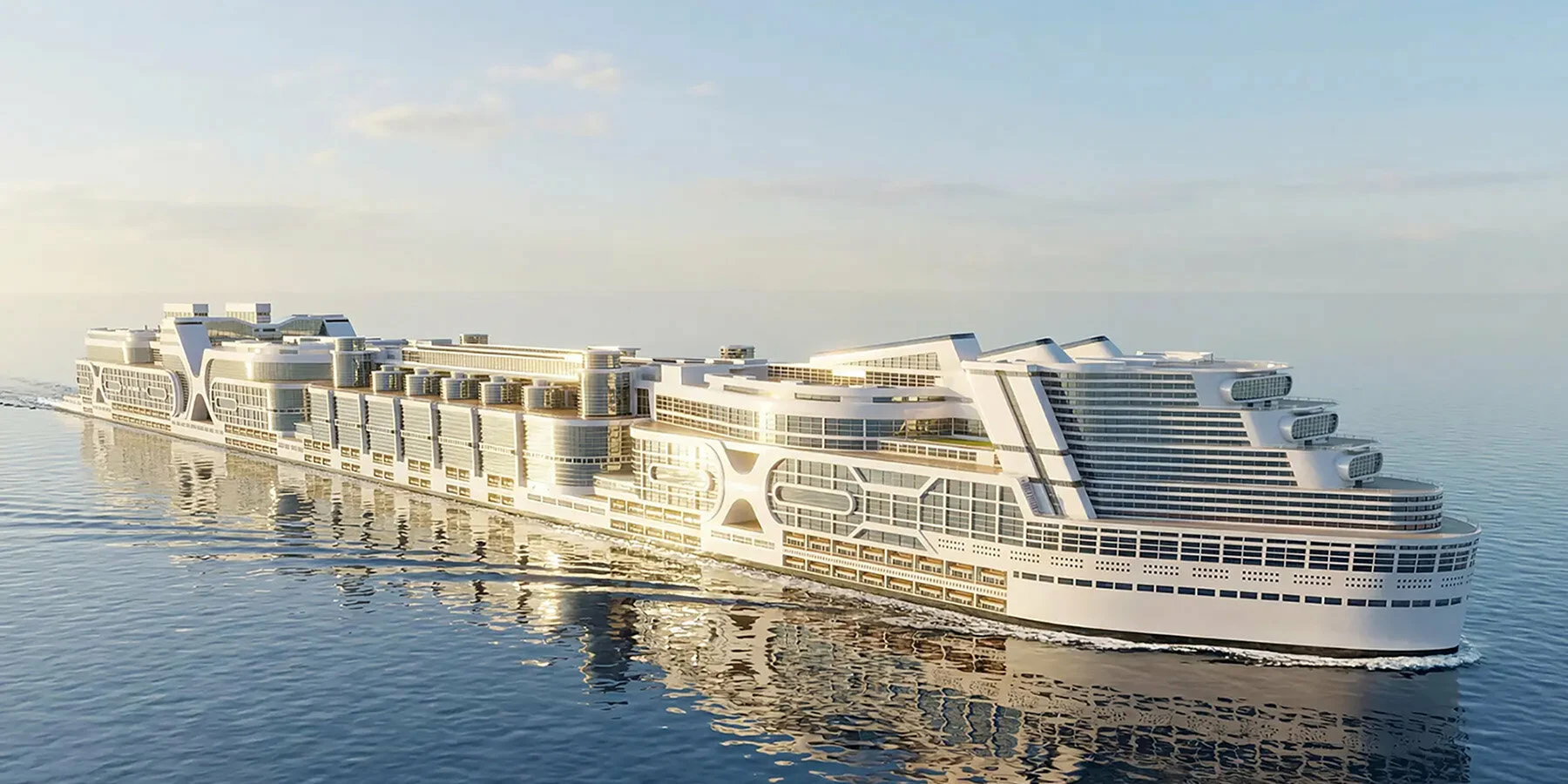
Critics also point to a lack of steady new-booking revenue. With no continuous stream of new guests, the model depends on high initial purchase prices and substantial annual fees. The World, sailing since 2002, has succeeded by targeting ultra-high-net-worth buyers who can absorb these costs. But that approach is not scalable for operators like Villa Vie, which aimed at a broader market.
For travel professionals, the lesson is clear: residential cruising is a niche luxury product, not a mass-market growth sector. The viability of any new venture hinges on realistic cost modeling that accounts for geopolitical disruptions and fuel price volatility. As fuel costs continue to pressure travel pricing, operators must be transparent about the financial commitments involved.
Meanwhile, travelers seeking extended time at sea without tying up life savings in a single ship may find better protection in booking back-to-back sailings on established cruise lines. This approach offers more flexibility and financial safeguards than committing to a residential vessel.
The residential cruise model is not dead, but it is under a viability test. Success will require deep-pocketed buyers, disciplined cost management, and a clear-eyed assessment of operational risks. As the industry watches Villa Vie's restructuring, the broader question remains: can residential cruising evolve into a sustainable business, or will it remain a romantic but financially fragile dream?