Saudi Arabia's luxury hospitality sector is entering a new phase of expansion, with the opening of AMAALA on the Red Sea coast and a pipeline that exceeds 200,000 hotel keys by 2030. More than 50 international hotel brands are either operating or planning properties across the kingdom, from the capital Riyadh to the heritage-rich region of AlUla.
AMAALA welcomes guests with wellness-led resorts
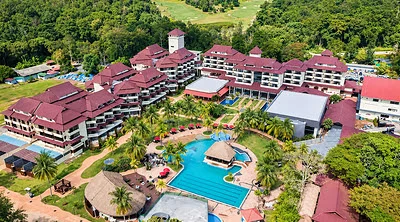
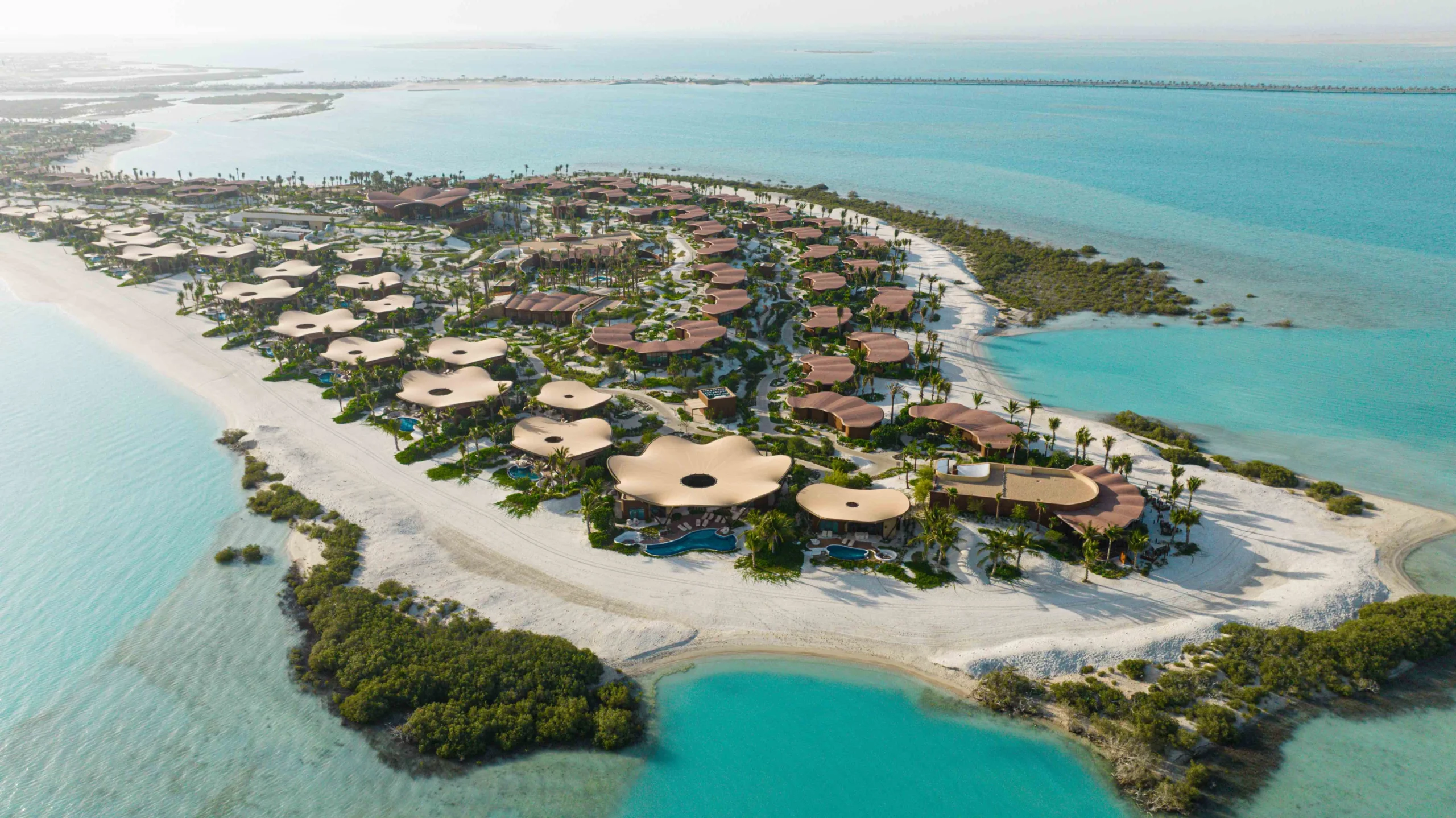
The AMAALA project, a cornerstone of Saudi Arabia's tourism strategy, has begun welcoming guests. Among the first properties are the Equinox Resort AMAALA, Four Seasons Resort and Residences AMAALA, and Six Senses AMAALA. Jayasom Wellness Resort AMAALA, which opened in September 2026, offers 153 guestrooms and dining concepts focused on wellness. These openings align with a broader trend in the region, as West Asia luxury hotels pivot from opulence to wellness and culture.
Red Sea and Diriyah: new frontiers
The Red Sea region continues to attract international operators. Raffles The Red Sea recently opened, joining Four Seasons and Miraval in the area. In Diriyah, the Wadi Safar district is emerging as a luxury hub, with upcoming developments from Aman, Six Senses, and Armani Hotel Diriyah. These projects are part of a wider push to position Saudi Arabia as a leading destination for high-end travel.
Riyadh and Jeddah: urban luxury grows
Riyadh is expanding its upscale offerings with the opening of W Riyadh and Conrad Riyadh Laysen Valley. The city's skyline, anchored by the iconic Kingdom Tower, is set to host more luxury properties as demand from business and leisure travelers grows. Jeddah, the gateway to the Red Sea, is also evolving with Raffles Jeddah and Four Seasons Hotel and Private Residences Jeddah, enhancing its appeal as a stopover for coastal itineraries.
AlUla: sustainable growth
AlUla is taking a measured approach to development, focusing on sustainability. Construction began in 2026 on an Autograph Collection hotel, part of a plan to grow tourism while preserving the region's archaeological and cultural heritage. This aligns with the kingdom's broader goal of attracting 150 million visits annually by 2030.
The scale of Saudi Arabia's ambition is clear. With over 200,000 keys in the pipeline, the kingdom is not just adding rooms but reshaping its tourism landscape. For travel professionals, this means new opportunities in sales, distribution, and partnerships. The recent Saudi Arabia courts global travel trade at WTM London with its luxury train and AMAALA push, signaling a concerted effort to engage international buyers.
Hoteliers and investors are taking note. The entry of brands like Hyatt into the Saudi franchise market, with three Riyadh hotels, underscores the kingdom's attractiveness. As the supply grows, operators are differentiating through wellness, culture, and technology. The Agoda AI assistant expansion is one example of how travel tech is evolving to meet new consumer expectations.
For agents and tour operators, the message is clear: Saudi Arabia is no longer a niche destination. With world-class infrastructure and a diverse portfolio of luxury properties, it offers compelling options for clients seeking new experiences. The kingdom's commitment to quality is evident in every project, from the Red Sea coast to the heart of Riyadh.