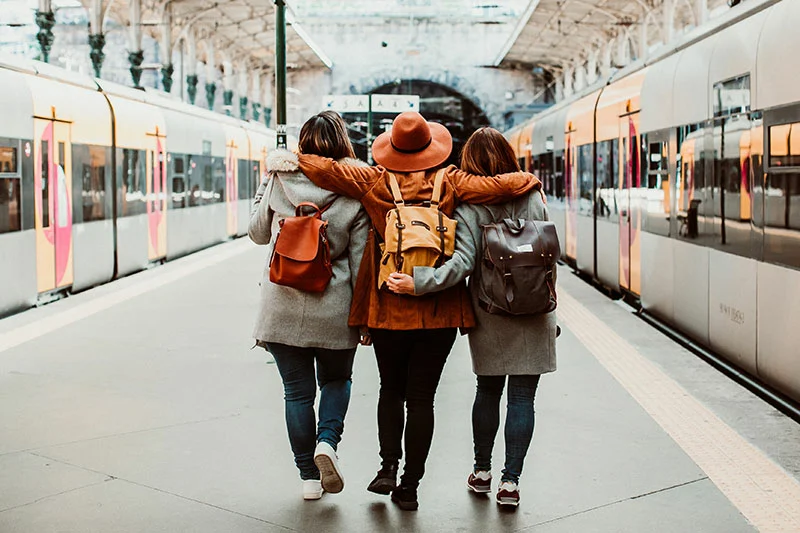
The surge in solo female travel—up 60% in recent years—has exposed a critical gap in global transit infrastructure. According to Safeture, 70% of women still report heightened anxiety about personal security while traveling. For airlines, hoteliers, and destination managers, this is not just a social issue but a commercial one: safety perceptions directly influence booking decisions and repeat visitation.
Why transit systems fail women
Public transit networks were historically designed around linear, peak-hour commutes typical of male employment patterns. The World Bank notes that women make shorter, multi-stop journeys, often during off-peak hours, when service frequencies drop. This mismatch leaves women waiting in poorly lit stations or on deserted platforms, increasing vulnerability.
Beyond scheduling, physical infrastructure compounds the problem. Dark corridors, broken CCTV, and poor sightlines around hubs like London's Victoria Station or New York's Port Authority create isolated zones. The 'last-mile' leg—from station to hotel or residence—remains particularly risky where safe pedestrian paths are absent.
Social and legal factors add layers of risk. Persistent harassment in public spaces forces women to alter routes and schedules, while legal disparities persist: the World Bank's Women, Business and the Law report shows women hold only 77% of the legal rights of men globally. In conservative regions, solo female travelers stand out, making them targets for theft and scams.
Industry responses and innovations
Some progress is visible. Cities like Tokyo and Mexico City have expanded female-only train carriages, and ride-hailing platforms now offer verified female drivers. Hotels are introducing women-only floors, and safety tech—such as real-time location sharing and geo-fencing alerts—is becoming standard in travel apps. For example, Riskline's integration with Tripadvisor now surfaces safety data directly in the booking path, helping travelers make informed choices.
Yet systemic change requires more than point solutions. Urban planners must adopt gender-responsive design, as recommended by the World Bank. This includes night-time 'request-stop' bus programs, active storefronts to encourage natural surveillance, and better lighting along pedestrian routes. The travel industry can support these efforts by aligning destination marketing with safety audits and by advocating for policy changes.
Technology also plays a role. Airlines and GDSs can integrate safety alerts into booking flows, while hotels can offer in-room safety features and staff training. The recent CATO and Axelo AI safety webinar highlights how education can empower agents to advise clients on risk mitigation.
For travelers, tactical awareness remains essential. Sitting near exits, keeping headphone volume low, and carrying personal alarms are simple but effective measures. However, the burden should not rest solely on individuals. As the industry moves toward more inclusive travel, addressing these safety flaws is not optional—it is a competitive imperative.
Destinations that invest in safer transit will attract a growing segment of solo female travelers. Those that ignore the issue risk losing market share to more proactive competitors. The data is clear: safety is the new currency of travel.