The global spa economy has reached US$157 billion across more than 201,800 establishments, according to the Global Wellness Institute (GWI), as a new wave of travelers prioritizes preventative healthcare and longevity science over traditional pampering. This shift is redefining what wellness travel means for hotels, resorts, and destination spas worldwide.
From indulgence to diagnostics
Wellness strategist Elena Rostova notes that today's guests are no longer content with brief escapes or superficial treatments. "They are seeking tangible results, looking for data-backed methodologies that actively extend their healthspan and enhance their day-to-day vitality," she says. This demand is driving a rapid expansion of the medical spa market, which is growing at nearly 16 percent annually—far outpacing traditional day spas.
Properties are responding by investing in clinical technology. Multi-person cryotherapy chambers, metabolic health tracking, and tailored weight management programs are becoming standard offerings at luxury retreats. These diagnostic-led experiences allow guests to understand their biological baseline while enjoying world-class hospitality, blurring the line between medical diagnostics and luxury accommodation.
Sleep as a travel motivator
Restorative sleep has emerged as a cornerstone of modern travel motivation. Luxury resorts are reallocating capital to develop dedicated sleepcation retreats designed to optimize rest. Beyond quiet rooms, they are introducing biometric tools—wearable devices that monitor heart rate variability, breathing patterns, and brainwave activity. By analyzing night-time data, practitioners can fine-tune environmental controls and tailor daily regimes to improve sleep architecture throughout a guest's stay.
This trend aligns with broader wellness travel developments across Asia, where sound healing and longevity are reshaping luxury offerings. Resorts in Thailand, for example, are integrating these approaches into their programs, as the Tourism Authority of Thailand promotes the country as a wellness hub.
Silver tourism and active aging
Demographic shifts are also shaping wellness strategies, particularly as older generations prioritize longevity. Thermal retreats and spa tourism are increasingly aligning with silver tourism initiatives. Europe offers a prime example, especially Italy, where thermal spa operations generate an annual economic impact of EUR 5 billion. Operators there are designing integrated programs for seniors that blend long-term health support, specialized housing, and traditional mineral therapy, establishing wellness retreats as vital partners in active aging policies.
Nature-based recovery
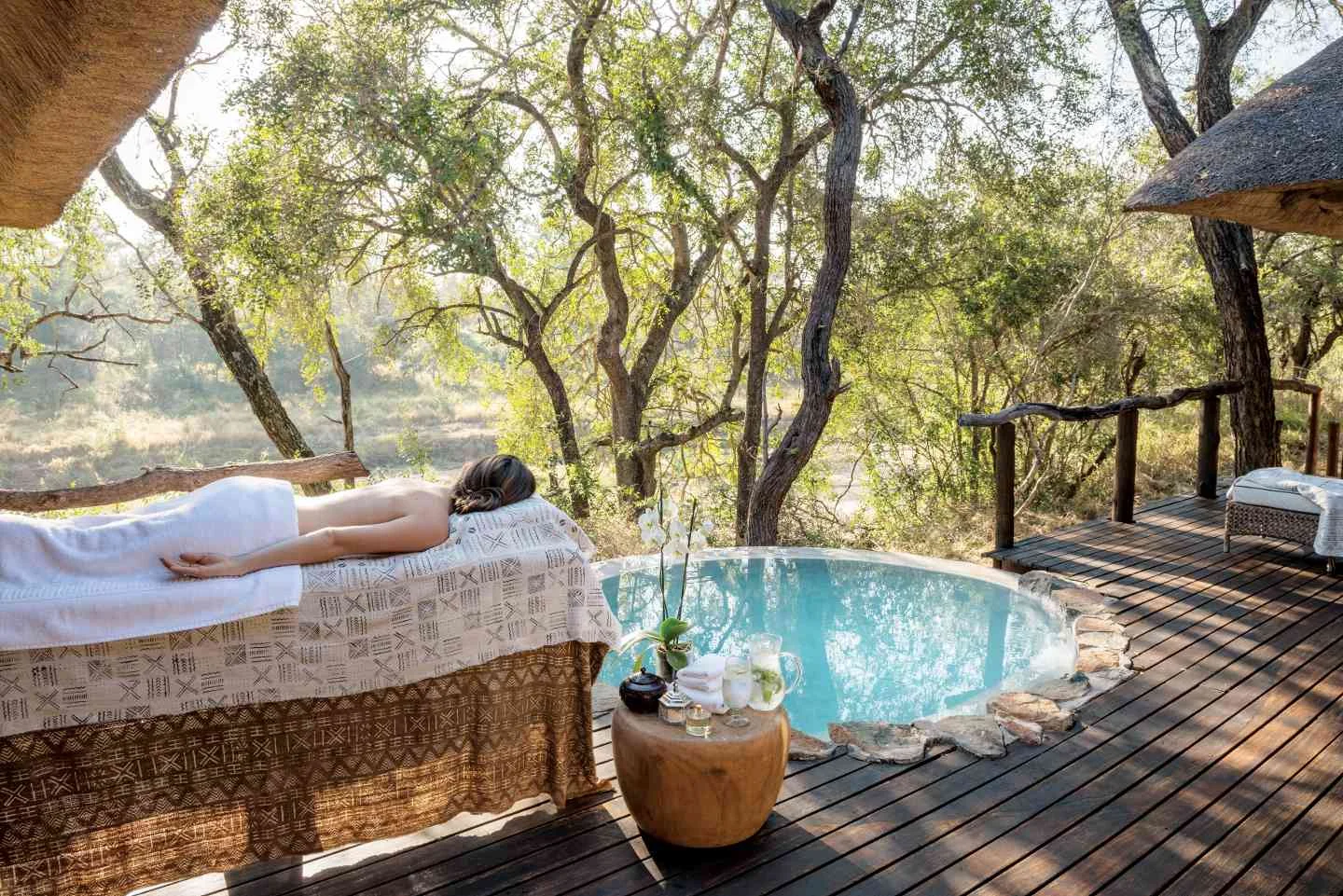
Alongside high-tech interventions, there is a parallel movement toward nature-focused therapies. Properties are extending wellness beyond indoor facilities by pairing traditional hydrotherapy and mineral baths with outdoor mindfulness, forest bathing, and eco-conscious local treatments. Regional tourism consultant Julian Mercier emphasizes that "wellness must remain grounded in authenticity and context. By incorporating sustainable, localized treatments and nature immersion, resorts are creating genuine connections to the environment rather than delivering generic treatments."
This dual approach—high-tech diagnostics and nature-based recovery—is becoming a competitive differentiator for destinations. For travel professionals, the message is clear: wellness travel is no longer a niche add-on but a core driver of demand. As the global middle class expands and consumer preferences shift toward transformative well-being, properties that invest in longevity science and authentic experiences will be best positioned to capture this growing market.
For agents and operators, understanding these trends is essential. Whether it's recommending a sleep-focused retreat in the Alps or a thermal spa in Tuscany, the ability to match clients with data-backed wellness experiences will define success in this evolving sector. As the industry continues to innovate, the line between medical care and hospitality will only blur further, creating new opportunities for those who adapt.