Spring Hotels has posted a 19% rise in revenue at the Mare Nostrum Resort in Tenerife within twelve months of acquiring the property, a gain the group attributes to its internal operating model rather than favourable market tailwinds. The resort also recorded a 15% jump in overnight stays, translating to more than 43,000 additional room nights sold.
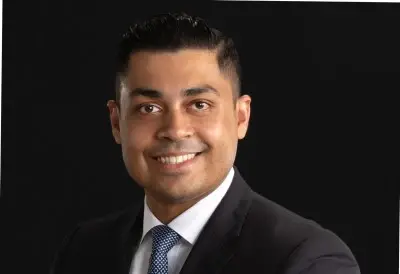
CEO Miguel Villarroya framed the result as proof that the company's approach scales beyond its original portfolio. “Acquiring Mare Nostrum was an important milestone for Spring Hotels, but the real achievement has been demonstrating what our operating model can deliver at scale,” he said.
Operational integration and ESG commitments
The integration of Mare Nostrum has nearly doubled Spring Hotels' operational capacity, and the group says it maintained service quality and staff stability throughout the transition. That stability extends to the workforce: 75 employees have moved from temporary to permanent contracts, and 91% of suppliers are now local businesses. These figures align with the ESG commitments tied to the sustainable financing agreement Spring Hotels signed with CaixaBank.
For hoteliers watching the Canary Islands market, the case underscores how disciplined revenue management and technology adoption can lift performance even in a competitive destination. Spring Hotels' strategy echoes the approach taken by other operators using advanced revenue systems, such as Donkey Hotels & Resorts with IDeaS G3 RMS in Greece, where data-driven pricing has driven similar gains.
Investment pipeline and staff housing
Looking ahead, Spring Hotels plans to refurbish Hotel Cleopatra in Playa de las Américas as part of a long-term investment strategy. The group is also tackling the region's housing shortage by acquiring two residential buildings that will provide 110 homes for employees, a move aimed at supporting recruitment and retention in a tight labour market.
Villarroya expressed confidence in the company's trajectory: “Our focus is now on continuing to invest in our portfolio, beginning with the refurbishment of Hotel Cleopatra, whilst building on the operational excellence that has underpinned our progress so far.”
The results arrive as the broader hospitality sector sees renewed interest in asset-light management and technology-led growth. For travel professionals, the Mare Nostrum performance offers a concrete example of how a mid-sized operator can extract value from an acquisition without sacrificing service standards.