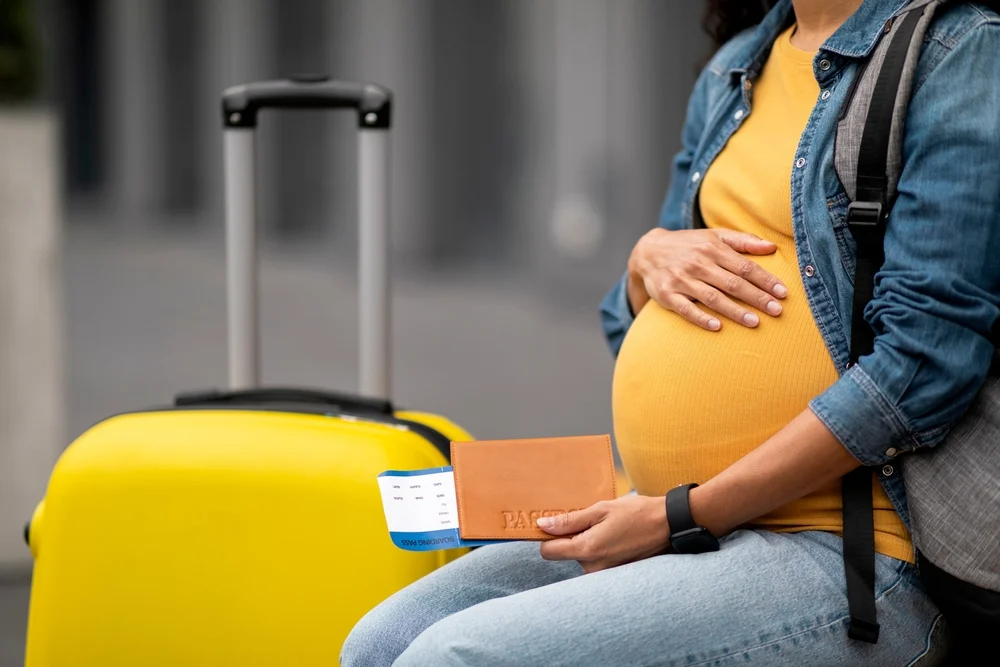
Texas is widening its enforcement against so-called birth tourism, and travel operators that arrange accommodation, transport, and maternity services for foreign nationals are now in the regulatory crosshairs. The latest development: De’Ai Postpartum Care Center, a Houston-area facility, has agreed to cease operations under a legal settlement announced on 18 September. The move follows a lawsuit filed in April by Texas Attorney General Ken Paxton, which accused the company and its operators of helping more than 1,000 Chinese nationals give birth in the United States.
According to Bloomberg Law, the settlement requires De’Ai to stop providing obstetric, gynaecological, and immigration services. The center operated from four properties in the Houston area and had publicly claimed responsibility for more than 1,000 American-born babies, as reported by WTAW. The state’s original lawsuit alleged that De’Ai primarily marketed to Chinese clients and coached them on navigating U.S. immigration controls, including advising women to secure visas before becoming pregnant. These are allegations, and the settlement closes the business without converting every claim into a judicial finding.
From California maternity houses to Houston
The case highlights a small but commercially organised segment of international travel that has existed for years. Birth-tourism businesses have traditionally bundled extended accommodation, airport transfers, hospital arrangements, translation services, and help obtaining documents for newborns. Some packages even included advice on dealing with U.S. visa and border officials.
Southern California was once the epicentre of this trade. In 2019, federal prosecutors charged 19 people linked to three operations catering largely to Chinese clients. One Orange County company, You Win USA Vacation Services, advertised that it had handled more than 500 customers, charging between $40,000 and $80,000 per client, according to the U.S. Department of Justice. Prosecutors said the company used 20 apartments in Irvine and received about $3 million in international wire transfers from China over two years.
Enforcement has continued. In September 2024, a federal jury convicted two Southern California residents who operated a maternity house serving Chinese clients. The business arranged housing and transport, assisted with visa and customs procedures, and helped secure U.S. documents for newborns. One operator was sentenced to 41 months in federal prison. The Justice Department said clients were advised on concealing pregnancies to avoid scrutiny at ports of entry.
Where maternity travel crosses a regulatory line
The distinction between legitimate maternity travel and unlawful birth tourism is critical for hotels, hospitals, and medical-travel facilitators. Pregnancy does not automatically bar a foreign national from visiting the U.S., and giving birth there is not inherently illegal. Medical treatment remains a permitted purpose for B-2 visitor travel. However, since January 2020, U.S. visa rules explicitly exclude travel whose primary purpose is giving birth to obtain citizenship for the child. The State Department instructs consular officers to deny a B visa when they believe that is the applicant’s primary purpose.
This creates a compliance grey zone for travel and hospitality businesses. A hotel accommodating a pregnant international guest is one thing. A company arranging accommodation, transport, and healthcare while helping a client misrepresent the purpose of the journey to immigration authorities presents a very different risk.
Texas widens its scrutiny
Texas is now testing that boundary beyond De’Ai. In July, Governor Greg Abbott directed state health authorities to investigate maternity packages linked to Mission Regional Medical Center after advertising for “Birth Packages in South Texas” drew political attention. The probe later expanded to include Knapp Medical Center in Weslaco. Paxton’s office said Spanish-language billboards near the U.S.-Mexico border had advertised childbirth services to expectant mothers in Mexico.
Mission Regional disputed the suggestion that it was promoting birth tourism. The hospital told the Houston Chronicle that a limited marketing campaign—two billboards and a website—was intended to provide information about obstetric services, generated little patient volume and no financial benefit, and was stopped after concerns were raised. The hospital said it had never encouraged unlawful activity.
That response underscores the broader issue facing America’s medical-travel sector. Hospitals routinely market healthcare to international patients, while hotels, serviced apartments, and specialist agencies accommodate travellers who may stay for weeks or months. Maternity care can be part of legitimate medical travel. The regulatory question turns on the purpose of the journey and, increasingly, what intermediaries know about it and how they help arrange it.
Governor Abbott’s July executive order directed several state agencies, including health regulators and professional licensing bodies, to investigate potentially unlawful birth-tourism schemes and healthcare providers suspected of facilitating them. For travel companies, the immediate concern is less the politically charged debate over birthright citizenship than the operational risk surrounding bookings that may be linked to such schemes.
Travel agents and tour operators should review their own practices, especially those offering packages that include extended stays, hospital coordination, or visa assistance. As Texas and federal authorities continue to target the commercial chain behind birth tourism, businesses that inadvertently facilitate it could face legal exposure. The industry should watch how these cases unfold, as they could reshape the rules for maternity-related travel services.