The Tourism Authority of Thailand (TAT) is rolling out a major push to draw both international and domestic visitors to the Udon Thani World Horticultural Expo 2026, a sprawling event set in the Nong Dae Wetland that will run until 14 March 2027. The expo is positioned as a key driver for regional tourism, aiming to extend visitor stays and spread economic benefits across northeastern Thailand.
Global gardens and sustainable themes
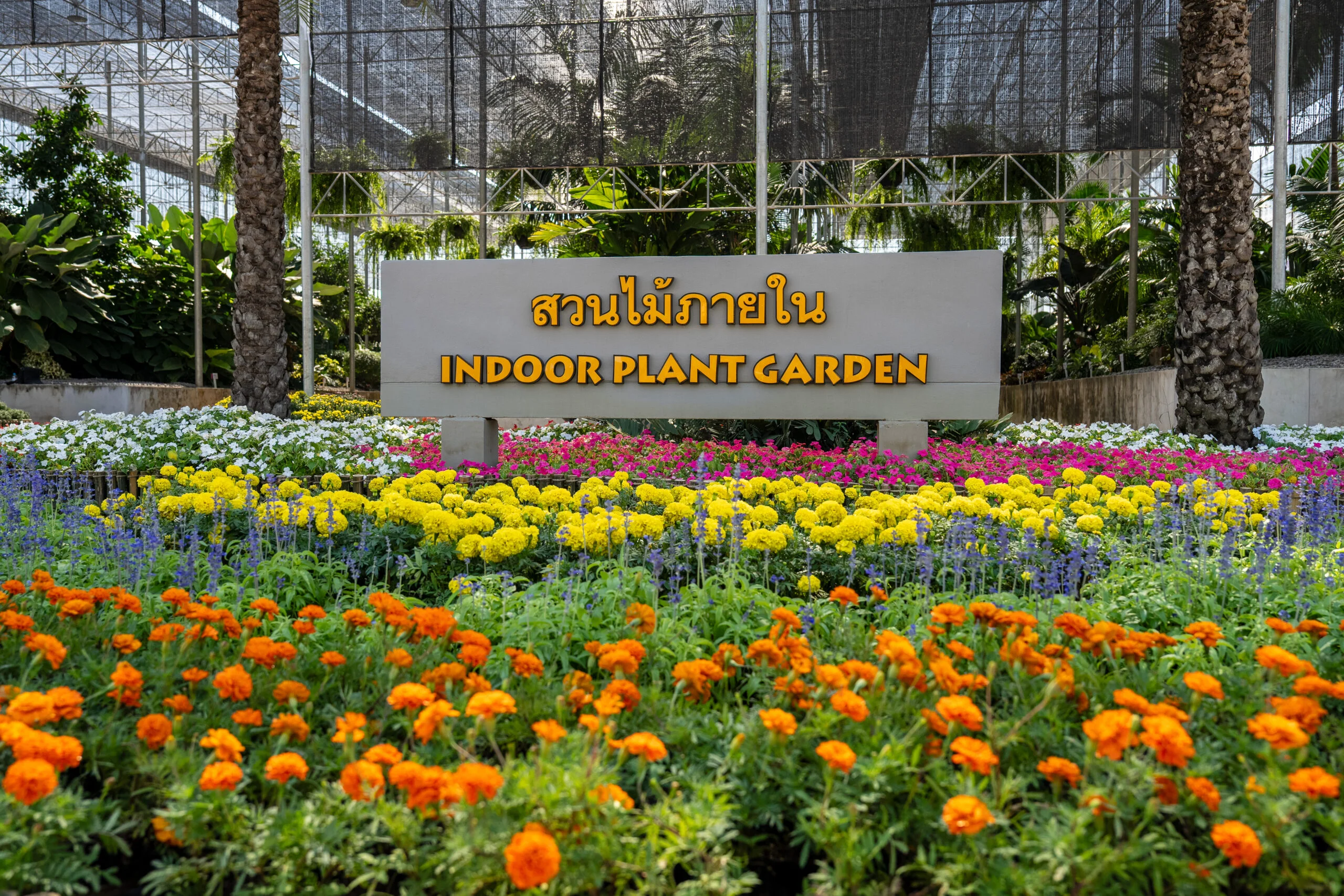
Under the theme “Diversity of Life: Connecting People, Water, and Plants for Sustainable Living,” the expo covers 1,648 hectares, including 1,008 hectares of land and 64 hectares of water. It brings together 32 international gardens from 17 countries and two international organisations, alongside more than 50 themed gardens and a rotating display of over one million flowering and ornamental plants.
Visitors can explore 16 outdoor and 16 indoor international gardens, each highlighting distinct horticultural traditions and landscape design approaches. The expo also features six exhibition zones dedicated to agricultural technology, biodiversity, and sustainable cultivation practices. A greenhouse complex hosts eight rotating exhibition themes, covering flowers, orchids, medicinal plants, and agricultural innovation.
The event is not just about plants. It introduces Udon Thani’s local identity through more than 200 Isan arts and cultural performances, offering a deep dive into the region’s traditions. Horticultural competitions, workshops, local markets, and seasonal festivities provide additional layers of engagement for trade visitors and leisure travellers alike.
Regional attractions and accessibility
Beyond the expo grounds, Udon Thani serves as a gateway to two UNESCO World Heritage sites: the Ban Chiang Archaeological Site and Phu Phrabat Historical Park. The TAT is leveraging these nearby attractions to encourage longer itineraries and to channel tourism revenue into the wider region.
General admission is priced at $5.50 (199 baht) per person per day, with free entry for children aged 15 and under, seniors aged 60 and over, and people with disabilities. Electric trams and shuttle services are available throughout the venue to ensure easy access for all visitors.
For travel professionals, the expo represents a significant opportunity to package northeastern Thailand as a cultural and horticultural destination. The event’s scale and international participation make it a notable addition to the region’s MICE calendar, and its focus on sustainability aligns with broader industry trends. As global travel continues to evolve, destinations like Udon Thani are increasingly leveraging such events to diversify their appeal, similar to how Ho Chi Minh City is promoting its own diverse attractions.
The expo’s long run until March 2027 offers ample lead time for tour operators and agents to build packages around it. With its combination of international gardens, cultural performances, and regional heritage, the event is set to become a cornerstone of Thailand’s tourism strategy in the northeast. The TAT’s efforts to promote longer stays and distribute benefits across the region echo similar destination-marketing initiatives seen elsewhere, such as Bohol’s UNESCO Geopark status.
For airlines and hoteliers, the expo could drive increased demand for flights and accommodation in Udon Thani, which is served by Udon Thani International Airport (UTH) with connections from Bangkok and other regional hubs. The event’s extended duration may also encourage repeat visits, benefiting local hospitality businesses.
As the travel industry increasingly focuses on sustainable and experiential offerings, the Udon Thani Expo 2026 stands out as a model for how horticultural events can boost regional tourism. The TAT’s proactive marketing, combined with the expo’s international scope, positions it as a must-visit for travel professionals seeking new product ideas in Southeast Asia.