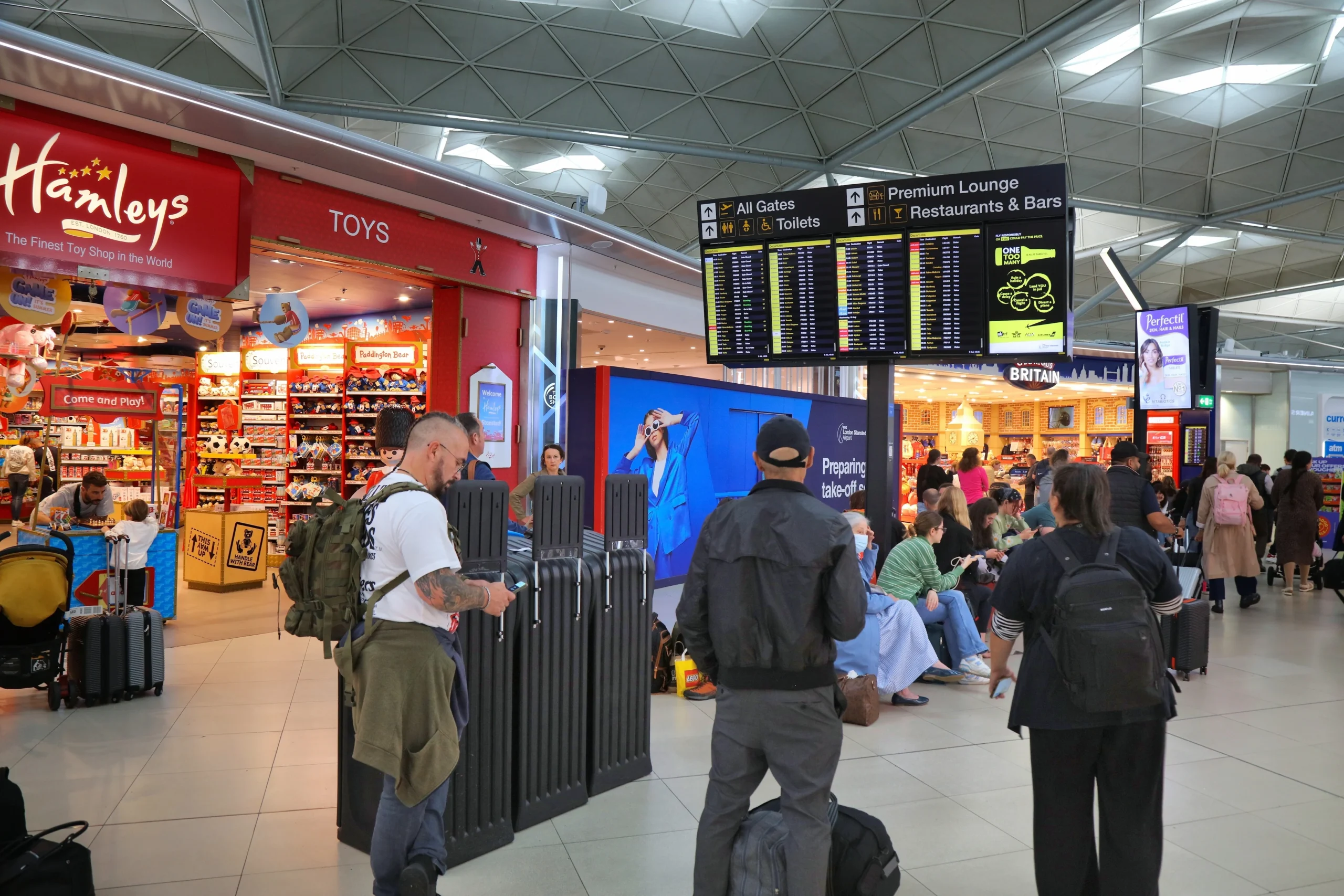
As the traditional summer rush winds down, a fresh survey from UK travel insurance comparison site Multitrip.com indicates that cost-conscious British travellers are increasingly abandoning peak-season departures. The research, conducted by Opinium among more than 1,000 UK adults, found that 41% now choose to travel outside peak times to keep holiday budgets in check.
The findings underscore a broader recalibration in how UK consumers approach travel planning. Nearly nine in ten respondents said they are using at least one money-saving strategy, with booking early the most common tactic (43%). Travelling midweek or outside school-holiday windows follows closely at 41%, reflecting a deliberate move away from the most expensive travel dates.
Generational divide in off-peak behaviour
The survey highlights a clear generational split. Gen X and Baby Boomers are significantly more likely to embrace off-peak travel than Millennials and Gen Z, who often face tighter work and family schedules. For travel retailers and tour operators, this suggests that marketing off-peak deals to older demographics—who also tend to have more flexibility—could yield strong returns.
Despite financial constraints, holidays remain a non-negotiable priority for many Britons. 43% of respondents said they are cutting back on other discretionary spending to fund trips, a sign that demand for travel remains resilient even as household budgets tighten.
Top money-saving hacks
The survey also identified the ten most popular money-saving hacks among UK holidaymakers. These include packing snacks from home to avoid airport prices, taking so-called 'wonky weekends' (travelling on less conventional days), and flying at anti-social hours such as red-eye departures. For airlines operating from London Stansted and other low-cost hubs, these behaviours reinforce the importance of flexible fare structures and ancillary revenue streams.
Christian Bennett, a spokesperson for Multitrip.com, stressed that travel insurance should be part of any cost-saving strategy. “Travelling without insurance can be a costly gamble if something goes wrong,” he warned. Bennett advised travellers to arrange cover as soon as they book, ensuring protection against cancellations or medical emergencies.
The trend towards off-peak travel has implications across the industry. Hotels and resorts in Mediterranean destinations, for instance, may see extended shoulder seasons as UK visitors seek better value. Similarly, cruise lines and tour operators could adjust itineraries to cater to this demand. For travel agents, the data reinforces the value of advising clients on flexible dates and early-booking incentives.
As the travel landscape evolves, these cost-saving measures reflect a shift in how UK holidaymakers plan their trips, balancing financial prudence with the desire to explore. For industry stakeholders, adapting to this new reality—whether through dynamic pricing, targeted marketing, or product innovation—will be key to capturing the off-peak traveller.