Europe's summer tourism landscape is undergoing a fundamental shift as recurring wildfires and prolonged heatwaves push travelers to reconsider their holiday choices. From the lavender fields of Provence to the beaches of Spain and the olive groves of Greece, once-reliable summer hotspots now face climate-driven disruptions that are reshaping booking patterns and destination marketing strategies.
Wildfires Become a Seasonal Reality
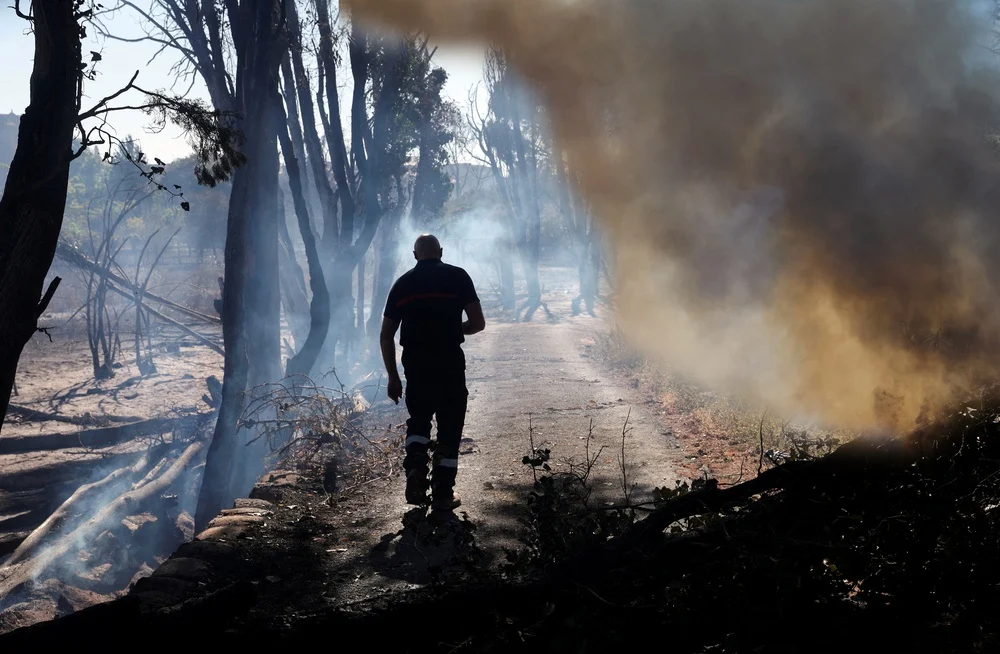
This year's wildfire season has tested some of Europe's most visited regions. France deployed hundreds of firefighters and water-bombing aircraft to contain major blazes near Paris, while Spain battled multiple outbreaks during another intense heatwave. The European Commission's Joint Research Centre (JRC) reports that by early July 2026, more than 155,000 hectares had burned across Europe, with over 1,000 wildfires recorded—well above the long-term average.
For travel professionals, the impact extends beyond evacuation headlines. Closed hiking trails in the Dolomites, smoke drifting into coastal resorts in Greece, and temporary road closures in southern France can disrupt itineraries even when clients are far from active fires. IQAir's Wildfire Map Spotlight notes that smoke from major fires can travel hundreds of kilometers, affecting air quality across neighboring regions. Travelers with respiratory conditions now routinely check local air-quality readings alongside weather forecasts.
Scientists at the Copernicus Climate Change Service confirmed that Western Europe recorded its hottest June on record in 2026, creating ideal conditions for prolonged drought and fast-moving wildfires. Europe is warming at roughly twice the global average, making the continent increasingly vulnerable to such events.
Travelers Pivot to Ecotourism and Shoulder Seasons
These climate pressures are driving a notable shift in traveler behavior. Instead of automatically booking Mediterranean holidays in late July or August, many are opting for spring and autumn departures, cooler mountain escapes, or northern European destinations. This trend is boosting shoulder seasons and drawing attention to lesser-known regions, aligning with Europe's growing sustainable tourism movement.
Destinations are responding by investing in protected landscapes, wildlife conservation, cycling routes, and locally owned accommodation. The emphasis is on attracting visitors who stay longer, spend locally, and leave a lighter environmental footprint. Tourism boards are promoting quieter regions and slower itineraries, as seen in campaigns like Puglia's rise in summer rankings for its photogenic, less-crowded appeal.
This shift is also reflected in the hospitality sector. Atmosphere Core's debut in Europe with a restored monastery retreat in Langhe, Italy, underscores the demand for regenerative tourism experiences. Similarly, European tourism arrivals grew 5% in H1 2026, defying geopolitical headwinds, as travelers seek meaningful, climate-resilient options.
Planning for Uncertainty
According to Riskline's "Wildfires 2026 Travel" report, travelers should prepare for temporary road closures, transport disruptions, and possible evacuation orders. The report recommends monitoring official alerts, checking wildfire maps, and ensuring travel insurance covers climate-related disruptions. Travel advisors are increasingly fielding questions about air quality, flexible bookings, and alternative destinations.
Today's clients expect more than hotel recommendations or sightseeing tips. They want reassurance that someone is monitoring destination conditions, understands risks, and can quickly adapt itineraries. This evolving role is becoming a key strength for the travel industry as climate uncertainty grows.
The industry's commitment to sustainable tourism, climate adaptation, and responsible travel is creating a more resilient future. As ecotourism moves from trend to necessity, destinations that invest in sustainability and flexibility will be best positioned to thrive in Europe's new tourism reality.