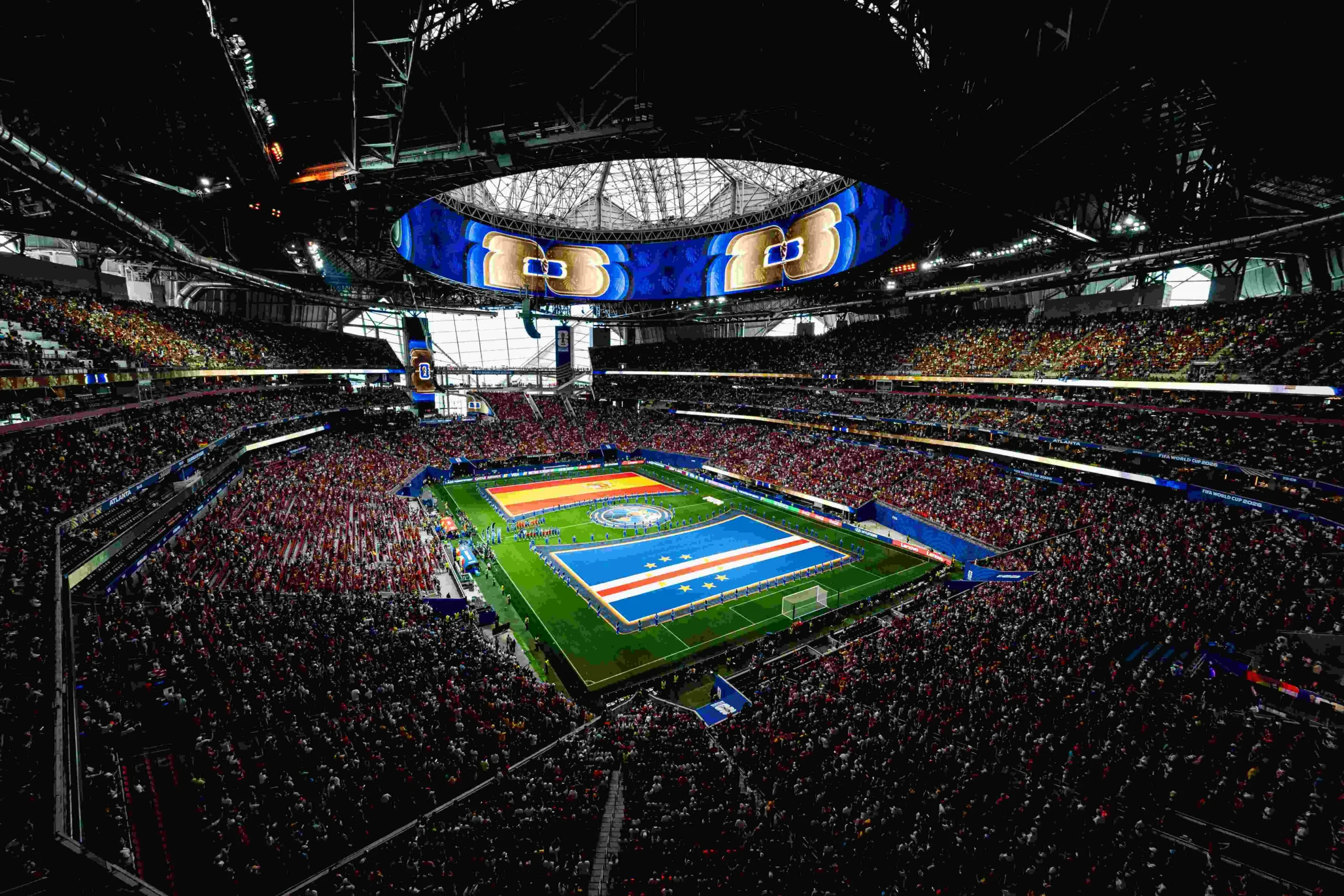
The FIFA World Cup left behind sold-out stadiums, bustling fan zones, and record hotel room rates across the United States. It also gave travel companies a welcome revenue lift at a time when geopolitical tensions threatened to unsettle international travel. Yet as the dust settles, the industry's first post-tournament assessment tells a more measured story: visitors spent heavily, hotels capitalised on exceptional demand, and payment networks processed a surge in international transactions. What the tournament did not deliver was the sweeping rebound in inbound tourism many had hoped would follow football's biggest event.
Quarterly earnings released in recent weeks suggest the World Cup strengthened an already resilient travel market rather than transforming it. Companies including Hilton, JetBlue, and Royal Caribbean weathered rising fuel costs and disruption linked to conflict in the Middle East, supported by sustained demand for leisure travel and a World Cup-driven spike in business across host cities.
Spending surged where the football was
If hotel occupancy produced mixed signals, consumer spending painted a clearer picture. Visa's latest earnings showed that card-present transactions climbed by as much as 20% in several World Cup host cities on match days, fuelled by spending at restaurants, bars, entertainment venues, and retail outlets. Cross-border payment volumes rose 13% during the quarter, helping the payments giant post stronger-than-expected financial results. The figures suggest international supporters did exactly what host cities had hoped: they stayed longer, explored local neighbourhoods, and spent well beyond the stadium gates.
Long before kickoff, research commissioned by the U.S. Travel Association projected that overseas World Cup visitors would spend more than USD 5,000 each—roughly 70% higher than the average international visitor. More than four in five respondents also indicated they intended to travel beyond their host city, offering regional destinations a rare opportunity to benefit from football's global audience. Whether those extended itineraries materialised at scale remains less certain.
Hotels discovered the value of pricing power
For hoteliers, the World Cup became as much a pricing exercise as an occupancy story. Data from CoStar showed that host markets generated a 16.7% year-on-year increase in revenue per available room during the closing week of the group stage. The improvement came almost entirely from a 21% rise in average daily rates, while overall room demand and occupancy edged lower than the previous year. In other words, hotels earned more from fewer rooms.
Philadelphia emerged as one of the biggest beneficiaries, recording hotel revenue growth of more than 50% across its match days as average daily rates climbed to nearly USD 370. Atlanta experienced a different trajectory: hotels sold fewer rooms than a year earlier, but stronger pricing still lifted revenues by around 15%. Houston offered another glimpse of the tournament's economic footprint. Seven matches attracted more than 480,000 ticket holders, almost half of them travelling from overseas. Fan festivals drew over one million visits, visitor spending increased by 9%, and international passenger traffic through Houston Airports rose modestly during the tournament period. Hotels again relied on stronger room rates rather than significantly higher occupancy to lift revenues.
The pattern repeated itself across much of the tournament. Premium inventory performed exceptionally well, while gains were less pronounced outside host markets. Hilton raised its full-year revenue per available room forecast to between 3% and 3.5%, citing continued strength in luxury travel, improving group bookings, and demand generated by the FIFA World Cup. The company also pointed to resilient corporate travel, suggesting the event complemented rather than replaced broader recovery trends. For hotel investors, that may prove more significant than the tournament itself: mega-events create temporary demand, but sustained pricing power drives long-term returns.
A premium traveller continues to drive the market
The latest earnings season also reinforced another trend that has shaped travel since the pandemic: affluent consumers continue to travel, even as other segments become more cautious. Reuters described the market as increasingly bifurcated, with higher-income travellers continuing to spend on premium holidays, cruises, and luxury hotels despite inflation and geopolitical uncertainty. That helped Royal Caribbean raise its annual earnings outlook, supported Hilton's luxury portfolio, and softened the impact of higher operating costs across the sector.
For travel suppliers, the World Cup reinforced that reality. Businesses positioned around premium experiences, hospitality packages, and high-value international guests captured the strongest returns. Those reliant on mass inbound volume saw a more modest payoff. The industry's attention is already shifting towards the next global showcase: the Los Angeles Olympics in 2028, where similar dynamics are expected to play out. The World Cup demonstrated that the United States can stage an event of unprecedented scale while generating substantial commercial returns for hotels, airlines, restaurants, and payment providers. The next challenge is converting millions of football fans into repeat visitors long after the final whistle—and turning a successful sporting spectacle into sustained growth for the wider tourism economy.