The German National Tourist Office for the Gulf Countries (GNTO GCC) has reported a robust increase in overnight stays from Gulf Cooperation Council (GCC) visitors, reaching 1.2 million in 2025—a 9% jump compared to 2022. The announcement came during the Arabian Travel Market (ATM) 2026 at the Dubai World Trade Centre, where GNTO officials outlined a multi-pronged strategy to deepen Germany's appeal in the Gulf.
Yamina Sofo, Director of the Marketing & Sales Office at GNTO GCC, underscored the region's growing importance. "GCC travellers are not only coming in greater numbers but are also spending significantly more," she said. "Their expenditure reached $3.2 billion (€3 billion) in 2025, over 30% higher than the average for other overseas visitors." This spending power positions the GCC as a premium source market for German tourism.
Despite temporary air traffic disruptions in early 2026, Germany remains the third-strongest overseas market for GCC travellers, a testament to the resilience of demand. The country's tourism infrastructure is evolving to meet this demand, with Munich Airport leading the way.
Munich Airport expands for Middle East traffic
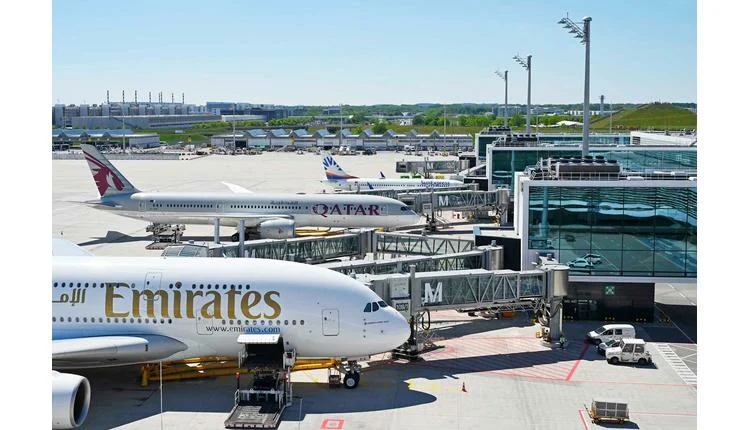
Munich Airport has opened a new pier at Terminal 1, designed to accommodate up to six million additional passengers annually. This expansion is a direct response to growing connectivity between Germany and the MENA region. Currently, 15 airlines operate flights from Munich to 15 destinations across the Middle East and North Africa, including major hubs like Dubai, Doha, and Abu Dhabi.
The new pier enhances the airport's capacity to handle wide-body aircraft and premium cabins, catering to the high-end travel preferences of Gulf visitors. "Munich is positioning itself as a key gateway for Middle Eastern travellers," said an airport spokesperson. "The investment reflects our commitment to seamless travel experiences."
This infrastructure boost aligns with Germany's broader tourism campaigns for 2026–2027, which focus on sustainable travel, urban culture, and gastronomy. The country is also leveraging cultural events such as the 150th anniversary of the Wagner Festival in Bayreuth to attract culturally curious travellers from the Gulf.
Germany's strategy is not just about volume but about value. By promoting year-round offerings—from winter city breaks to summer alpine escapes—the GNTO aims to diversify the travel calendar and reduce seasonality. The GCC market, with its high spending and preference for luxury experiences, is a natural fit for this approach.
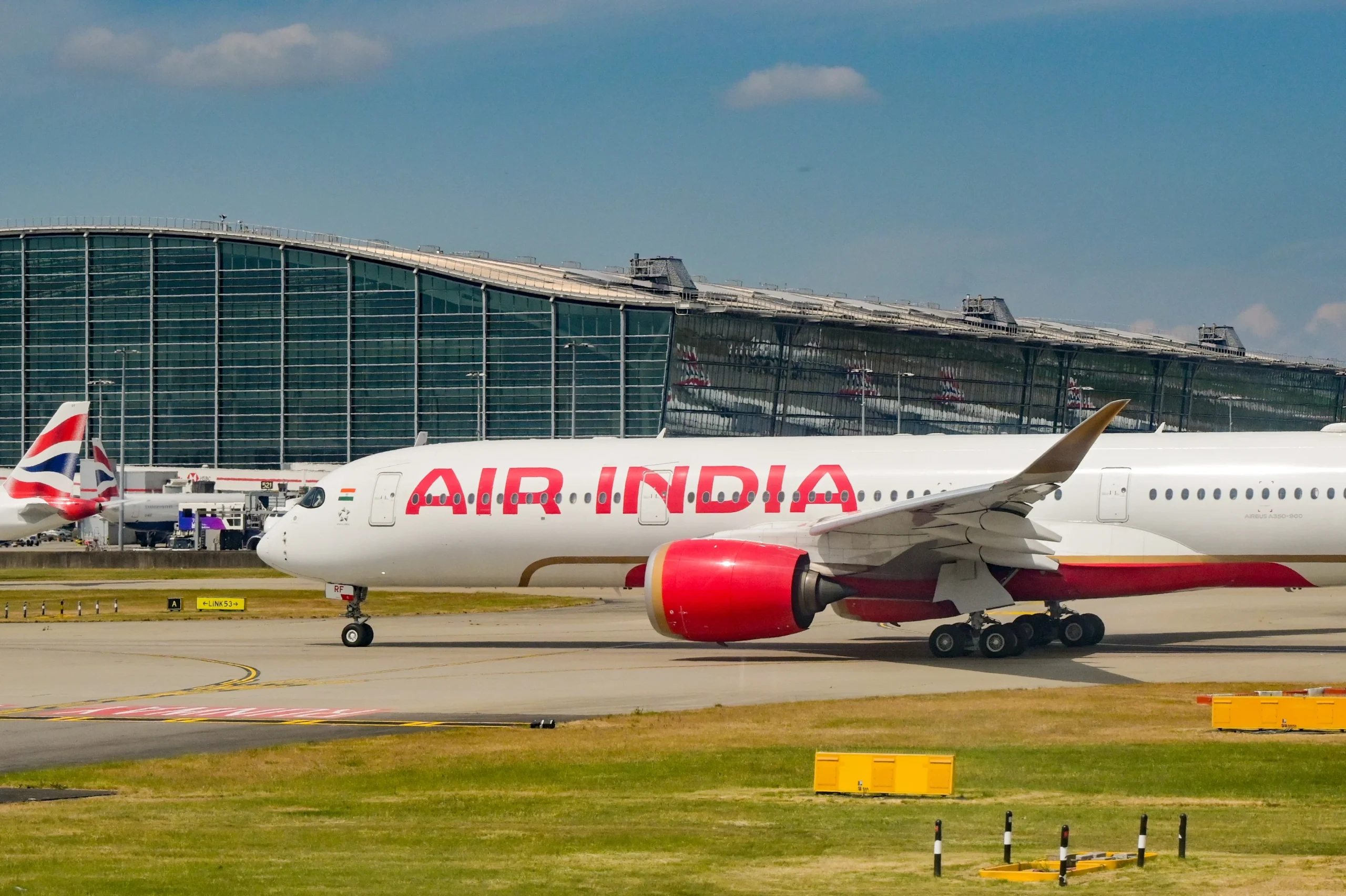
Travel industry stakeholders are watching these developments closely. For tour operators and agents in the Gulf, the expanded capacity and targeted campaigns signal new opportunities. As Heathrow's third runway plan similarly aims to boost UK connectivity, Germany's Munich expansion is part of a broader European push to capture long-haul growth.
The GNTO's efforts also complement regional trends, such as Singapore's Sentosa redevelopment, which targets doubling visitor numbers. Both destinations are investing in infrastructure to attract high-value travellers from Asia and the Gulf.
For the GCC market, Germany's appeal lies in its blend of culture, efficiency, and natural beauty. With the new Munich pier and targeted marketing, the country is poised to strengthen its position as a top European destination for Gulf travellers.