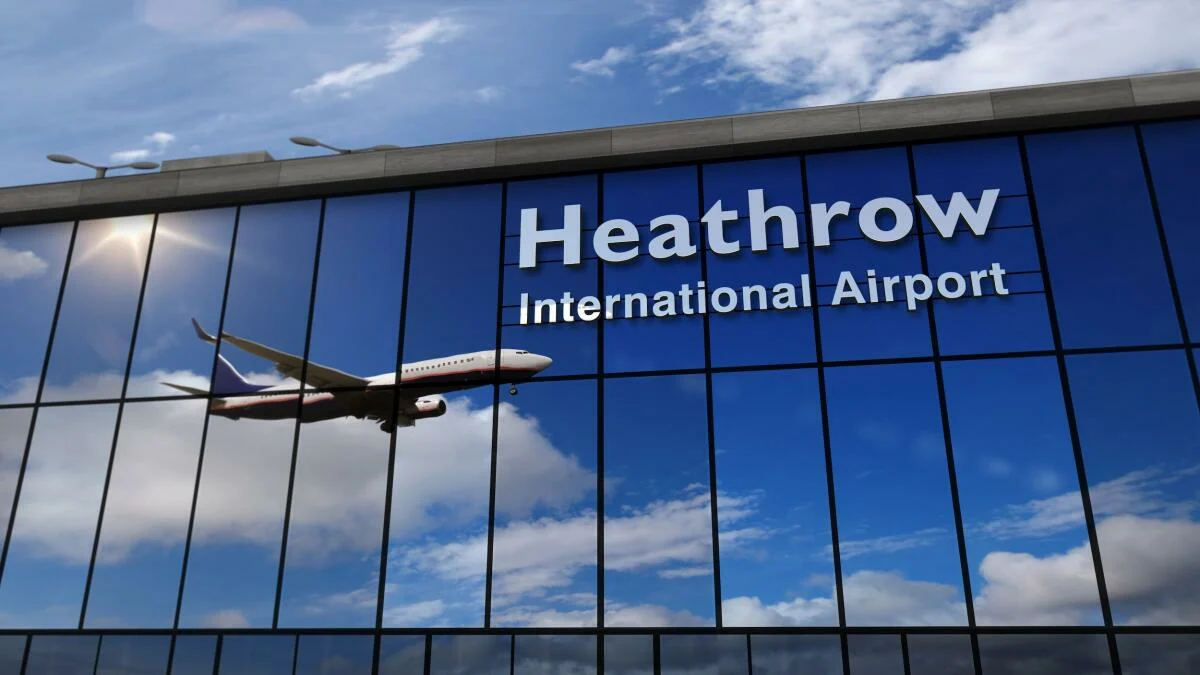
Heathrow Airport has unveiled an ambitious expansion blueprint that it says will generate more than 108,000 new jobs across the United Kingdom, as the long-running debate over a third runway intensifies. The project is framed as a cornerstone of the UK's post-Brexit global competitiveness, but questions persist over who will foot the bill.
Jason Geall, Executive Vice President of Global SME at American Express Global Business Travel (Amex GBT), underscored the airport's strategic importance. "Heathrow is a critical gateway that underpins trade, investment and long-term economic growth in every region of the country," he said. The UK travel sector contributes nearly £300 billion to GDP annually, with Heathrow handling over £290 billion in cargo trade each year, according to industry data.
Yet Geall, who leads Amex GBT's small and mid-market enterprise division, cautioned that the expansion's financial model could undermine its benefits. "Heathrow has been the world's most expensive major airport for over a decade," he noted, citing Civil Aviation Authority analysis that suggests charges could more than double, potentially adding around £60 to every return ticket. That increase would ripple through business travel budgets, leisure fares, and the UK's connectivity to global markets.
Reform must accompany growth
Geall argues that expansion alone is insufficient. He advocates for terminal competition, competitive procurement, and independent scrutiny of capital spending. "Growth and good value aren't mutually exclusive - but only if we get the model right from the start," he said. His comments echo concerns raised by airlines and corporate travel buyers who have long pressed for greater efficiency at the hub.
The third runway project, which has been debated for decades, would increase Heathrow's capacity from around 480,000 to 740,000 flights per year. Proponents say it would unlock new long-haul routes to Asia and the Americas, boosting trade and tourism. Critics, however, point to environmental targets and the potential for higher passenger charges to deter travel.
Heathrow's expansion comes as other global hubs, such as Dubai International and Singapore Changi, invest heavily in capacity. The UK's position as a European gateway faces competition from Amsterdam Schiphol and Paris Charles de Gaulle, both of which have pursued their own infrastructure upgrades. For travel professionals, the outcome of Heathrow's planning process will shape route networks, pricing, and corporate travel policies for years to come.
Industry stakeholders are watching closely. The AAPA's recent warning on emissions policy highlights the regulatory pressures facing airport expansions globally. Meanwhile, Riyadh Air's fleet expansion signals how new Gulf carriers are positioning for long-haul growth, potentially diverting traffic from European hubs.
For UK-based travel management companies and corporate buyers, the financial implications are immediate. "Every pound added to airport charges is a pound that could be spent on new routes or better services," said one industry analyst, who asked not to be named. The debate is set to continue as the government weighs the economic benefits against consumer costs.
Heathrow's expansion plan also intersects with broader trends in global luxury travel expansion, as Asian hotel groups ramp up their presence. Increased capacity at Heathrow could facilitate more direct flights to emerging markets, supporting both business and leisure travel.
As the consultation process unfolds, travel industry leaders will be scrutinizing the fine print. The promise of 108,000 jobs is compelling, but the path to delivering them without pricing out passengers remains unclear. For now, the industry watches and waits.