The center of gravity in luxury hospitality is moving east. For decades, European and American hotel groups defined the upper end of the market, but a new generation of Asian brands is now setting the pace. Rising wealth across the region, combined with a service culture that prioritizes anticipation over protocol, is giving homegrown operators a distinct edge.
Capella Hotels & Resorts, Mandarin Oriental Hotel Group, The Peninsula Hotels, Banyan Group, and Thailand's Minor Hotels are among the leaders. They are not simply exporting a standardized product; they are adapting their heritage to each market. Capella, for instance, has built its reputation on deep cultural immersion, offering guests experiences that resonate emotionally rather than relying on opulent fixtures. Mandarin Oriental continues to expand its footprint across Southeast Asia and China, while The Peninsula maintains its asset-heavy approach in gateway cities like Hong Kong, Shanghai, and Manila.
Service as a competitive moat
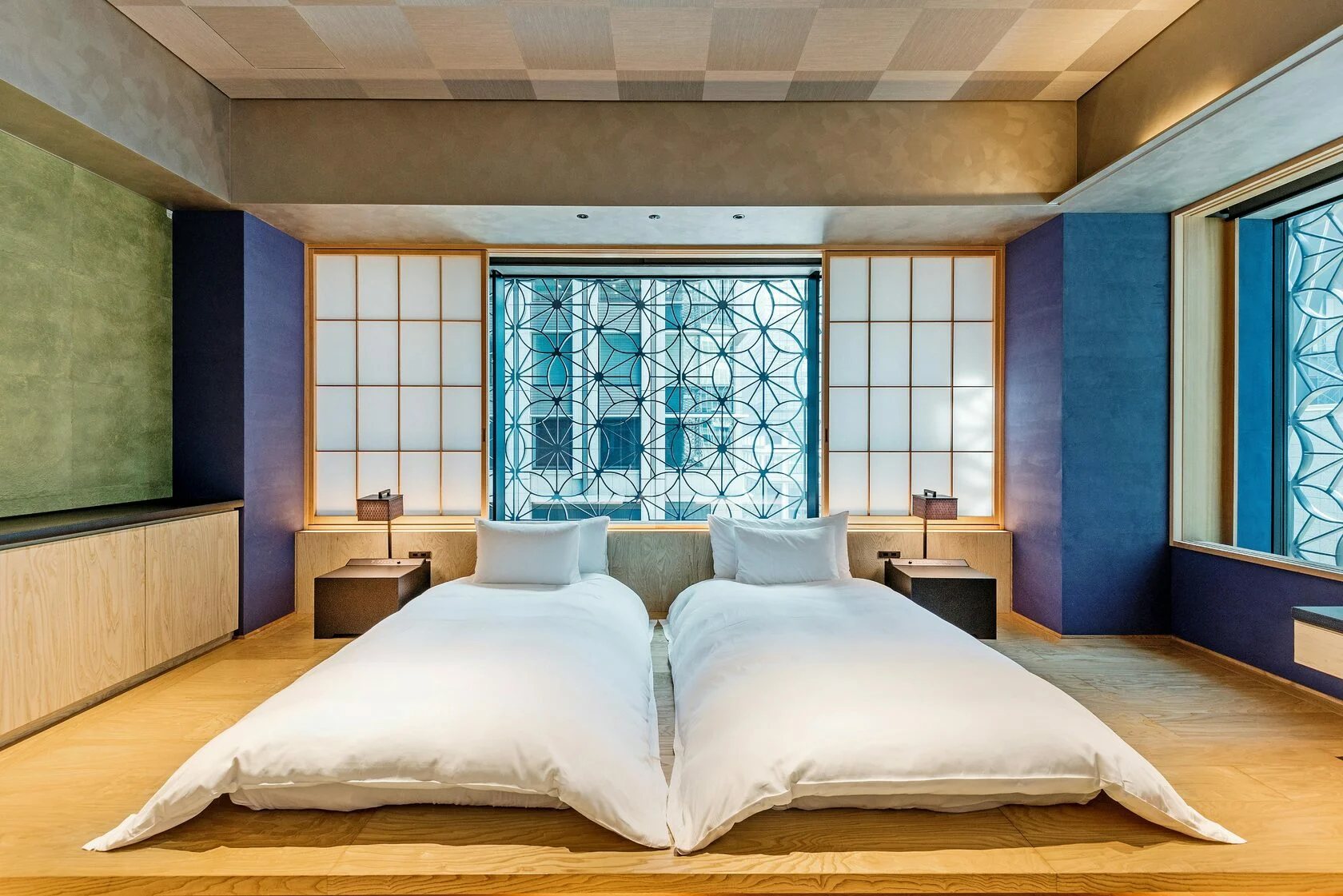
What truly differentiates Asian hospitality is its service philosophy. It is not about speed or efficiency alone; it is about intuitive awareness. Japan's omotenashi—the practice of anticipating a guest's needs before they are expressed—is a prime example. This high-touch, emotionally intelligent approach is difficult for traditional luxury brands to replicate, and it is a key reason why Asian groups are winning over discerning travelers.
Banyan Group recently crossed the milestone of 100 resorts, scaling its eco-conscious luxury model worldwide. Minor Hotels, meanwhile, has been aggressive in lifestyle segments, capturing demand in urban and resort markets alike. These brands are not just growing; they are redefining what luxury means for a global audience.
Wealth fuels regional travel
The economic backdrop is equally compelling. A surge in high-net-worth and ultra-high-net-worth individuals across India, China, and Southeast Asia is driving robust domestic and intra-regional travel. Affluent travelers from Singapore, Tokyo, Seoul, and Mumbai are taking more frequent, purpose-driven trips—wellness retreats, cultural immersions, and experiential journeys closer to home. This shift is reshaping demand patterns, with secondary destinations in Bali, Vietnam, and the Philippines emerging as new luxury playgrounds.
Investment is following. Integrated developments like One Bangkok, which blends elite residences, curated retail, and flagship hospitality, are setting new benchmarks for urban luxury. These mega-projects are not just about hotels; they are about creating ecosystems that cater to the modern affluent traveler.
As Asian groups expand, they are also influencing global standards. Their success is prompting Western brands to rethink their own service models and design philosophies. The result is a more diverse, more competitive luxury landscape—one where Asia is not just a host but a trendsetter.
For travel professionals, the implications are clear. Partnering with or benchmarking against these Asian powerhouses is becoming essential. Whether it is booking flexibility or ESG-driven venue choices, the preferences of Asian travelers are shaping global offerings. Even in adjacent sectors, such as regional aviation and expedition cruising, the influence of Asian wealth is evident.
Asia is no longer merely a high-growth destination. It is the definitive global hub for luxury hospitality, setting new standards that the rest of the world is now following.