The Association of Asia Pacific Airlines (AAPA) held a virtual forum on 30 June, drawing together 15 regional carriers, aircraft manufacturers, and industry partners to address aviation safety across the region. The Asia Pacific Turboprop and Regional Jet Safety Exchange served as a platform for operators to share operational safety experiences, identify emerging trends, and discuss best practices.
Manufacturers and Airlines Collaborate on Safety
Manufacturers ATR, Embraer, and De Havilland Aircraft of Canada participated in the event, offering insights on operational safety and training. Captain Somchai Sopanon, Chairman of Bangkok Airways, underscored the importance of regional and turboprop operations for connectivity and economic development. "Today's Safety Exchange demonstrates the willingness of operators, manufacturers and industry partners to openly share experiences and work collectively to further strengthen aviation safety across the region," he said.
A central feature of the meeting was the confidential sharing of aggregated operational safety data. This allowed participants to identify common themes and discuss potential safety improvements without revealing proprietary information. The approach aligns with AAPA's long-standing commitment to fostering a culture of transparency and continuous improvement.
Updates were provided on two key initiatives: the Asia Pacific Flight Path Management Manual and the Asia Pacific Crew Resource Management Manual. Both are designed to enhance aviation safety, with the latter focusing on human factors. The Crew Resource Management Manual was recently presented to the International Civil Aviation Organisation's Asia/Pacific Regional Aviation Safety Team.
The forum also highlighted the growing role of regional jets and turboprops in connecting secondary cities across Asia Pacific. As carriers like Bangkok Airways expand their networks, safety remains a top priority for operators and regulators alike. The event reinforced the need for ongoing collaboration among airlines, manufacturers, and industry bodies.
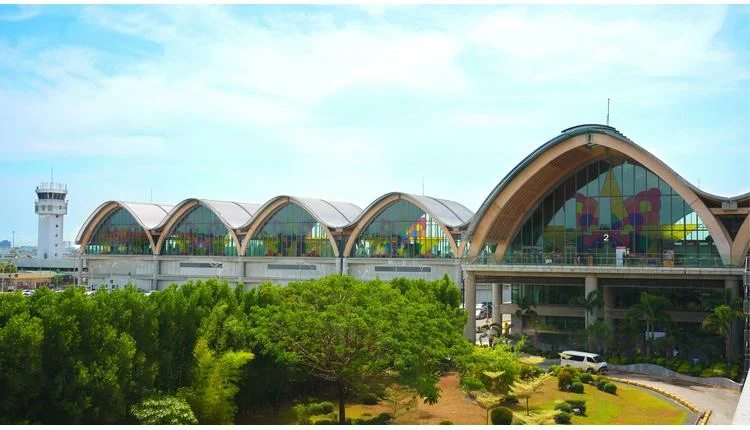
For travel professionals, the safety exchange underscores the importance of robust operational standards in regional aviation. As the industry recovers and grows, initiatives like these help ensure that safety keeps pace with capacity increases. The AAPA's efforts complement broader industry moves, such as Mactan-Cebu Airport's recent membership in the ACI Safety Committee, which highlights the region's commitment to safety leadership.
The Asia Pacific region continues to see strong demand for air travel, with carriers like Cathay Pacific leading route expansions. Cathay Pacific's resurgence on Middle East routes reflects the broader recovery in international travel. Meanwhile, low-cost carriers such as Scoot are offering competitive fares to stimulate demand, as seen in their recent July sale with India-Asia-Pacific fares from INR 10,500.
The AAPA Safety Exchange serves as a reminder that safety is a shared responsibility across the aviation ecosystem. By bringing together airlines, manufacturers, and regulators, the forum helps build a more resilient and secure air transport network for the Asia Pacific.