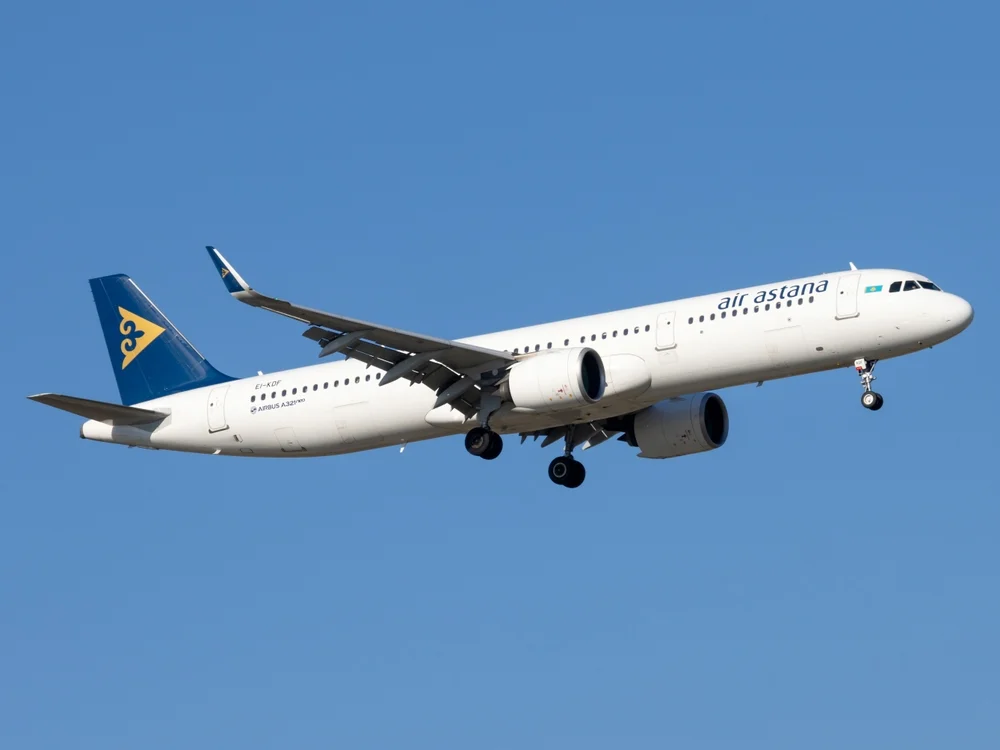
Air Astana is set to resume scheduled services from its hubs in Almaty and Astana to Dubai, with the first flights departing on 20 June 2026 from Almaty and 10 July 2026 from Astana. The Kazakh flag carrier has adjusted its flight paths to operate via Pakistan, circumventing the ongoing closure of Iranian airspace — a decision driven by safety and operational reliability.
Gradual Ramp-Up to Daily Frequencies
The airline will phase in capacity on both routes. On the Almaty–Dubai sector, flights will begin with two weekly rotations between 15 and 21 June, then increase to daily services from 6 July. For the Astana–Dubai route, the carrier will start with three weekly flights from 10 to 19 July, scaling up to daily operations by 3 August. This measured approach allows Air Astana to manage demand while ensuring crew and aircraft scheduling align with the new routing.
Air Astana’s decision to reroute via Pakistan mirrors broader industry adjustments as carriers across the Middle East and Central Asia contend with airspace restrictions. The situation echoes challenges faced by other airlines, as highlighted in our analysis of Middle East Airlines Face $4.3B Loss in 2026 as War, Fuel Costs, and Lost Transit Traffic Bite, where lost transit traffic and higher fuel costs are reshaping network strategies.
Flexible Rebooking for Affected Passengers
Travelers holding tickets rebooked for departures up to 31 July 2026 can change their bookings free of charge to earlier flights — from 20 June for Almaty departures and from 10 July for Astana departures. This policy is designed to minimize disruption for passengers who had originally booked on the suspended services. Air Astana has stated it will continue to monitor regional developments and may adjust schedules further, with prompt notification to passengers.
The resumption of these routes is significant for business and leisure travel between Kazakhstan and the UAE, particularly for the Kazakh diaspora and corporate travelers. Dubai remains a key destination for Central Asian travelers, and the restored connectivity will support tourism flows and trade links. The rerouting via Pakistan adds approximately 30–45 minutes to flight times compared to the previous direct path over Iran, but the airline has emphasized that safety remains the overriding priority.
For travel agents and tour operators, the restored schedule opens up new packaging opportunities for Dubai stopovers and multi-city itineraries combining Kazakhstan with UAE destinations. The daily frequencies from both Almaty and Astana provide flexibility for group bookings and MICE travel, a segment that has shown steady recovery in the region.
Air Astana’s move also comes amid broader shifts in Central Asian aviation. The carrier competes with regional players such as FlyArystan, its low-cost subsidiary, and international carriers like Turkish Airlines and Emirates on routes to Dubai. The Pakistan routing, while longer, avoids the volatile airspace over Iran, a factor that has become a critical consideration for network planners across the industry.
Industry observers note that the rerouting strategy could become a template for other airlines serving the Gulf from Central Asia if Iranian airspace remains closed. The situation underscores the importance of flexible route planning and contingency measures in today’s geopolitical environment. For more on how luxury resorts are adapting to regional disruptions, see our interview with Maldives Luxury Resorts Diversify Guest Mix as GCC Disruptions Bite: Raffaele Solferino.
Air Astana has not disclosed specific aircraft types for the resumed services, but its fleet includes Airbus A321LRs and Boeing 767-300ERs, both capable of the extended routing. The airline’s strong safety record and IATA Operational Safety Audit (IOSA) certification remain key selling points for corporate travel buyers.
As the summer 2026 schedule takes shape, travel professionals should monitor Air Astana’s booking systems for inventory updates. The carrier’s decision to offer free rebooking for existing ticket holders is a practical step that agents can leverage to reassure clients. With daily flights from both Kazakh hubs, the Dubai route is poised to regain its position as a core part of Air Astana’s network.