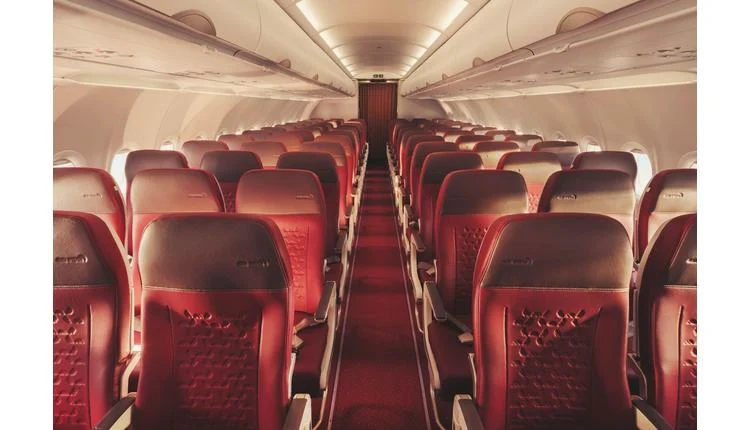
Air India has introduced a new Basic fare for domestic Economy Class passengers, marking the latest step in its branded fare family strategy. The fare, currently being piloted on select routes, is designed for price-sensitive travelers who prioritize value and are willing to forgo complimentary meals in exchange for a lower base price.
The Basic fare includes a 15 kg checked baggage allowance and a 7 kg cabin baggage allowance, along with complimentary tea or coffee. Meals are not included but can be pre-purchased up to 24 hours before departure. In the event of a schedule change, pre-purchased meals will be transferred to the new flight or refunded if unavailable.
Part of a Broader Fare Restructuring
This new fare is the latest addition to Air India's branded fare families—Value, Classic, and Flex—which were launched in 2024 to simplify and enhance customer offerings. The Basic fare sits below the Value fare, offering the most stripped-down service for travelers who want to pay only for what they use. The airline is evaluating customer feedback during the pilot phase to determine whether to expand the fare to more routes.
Air India's move reflects a broader industry trend toward unbundling services, a strategy already employed by low-cost carriers like IndiGo and SpiceJet, as well as full-service carriers such as Singapore Airlines and Emirates on certain fare types. By offering a basic option, Air India aims to compete more effectively across the price spectrum while maintaining its full-service brand identity.
Currently, the Basic fare is available exclusively through Air India's direct channels: its website, mobile app, contact centre, and airport ticketing offices. This distribution strategy allows the airline to control the customer experience and gather direct feedback, while also encouraging travelers to book through its own platforms rather than third-party online travel agencies.
For travel professionals, this development signals a shift in Air India's pricing strategy as it continues its transformation under the Tata Group. The airline has been investing heavily in fleet modernization, cabin upgrades, and digital infrastructure, and the introduction of a basic fare is a logical extension of its efforts to cater to diverse traveler segments.
Industry observers note that the success of this fare will depend on how well it is communicated to agents and corporate travel managers, who often need to balance cost with service expectations. Air India has not yet indicated whether the Basic fare will be made available through GDS systems like Amadeus, Sabre, or Travelport, which would be critical for broader adoption by travel agents and corporate booking tools.
The pilot comes at a time when India's domestic aviation market is experiencing robust growth, with carriers like IndiGo, Akasa Air, and SpiceJet expanding their networks. Air India's ability to offer a competitive basic fare could help it capture a larger share of the price-conscious segment, particularly on short-haul routes where full-service amenities are less critical.
For travel agents, the key takeaway is that Air India is now offering a more granular fare structure that allows for greater customization. Agents should familiarize themselves with the Basic fare's inclusions and exclusions to advise clients accurately, especially those who may be accustomed to the airline's previous all-inclusive economy product.
As Air India continues its transformation, the Basic fare pilot represents a pragmatic step toward aligning its product with market demand. Whether it becomes a permanent fixture will depend on customer uptake and operational feedback, but for now, it offers a new option in the increasingly segmented Indian domestic market.