Airbus has released new economic impact data showing its Canadian operations generated $8.4 billion in gross domestic product and sustained nearly 60,000 jobs over the 2023–2025 period, according to a study by PwC Canada. The figures, published ahead of the Farnborough International Airshow, underscore the manufacturer's deepening footprint in North America.
Supply Chain and Spending Breakdown
In 2025, Airbus spent more than $2.2 billion on activities across Canada, with 70% flowing to Canadian dual-use suppliers. The company's network includes roughly 1,000 suppliers, over half of which are small and medium-sized enterprises. Guillaume Chevasson, CEO of Airbus in Canada, stated: "Canada provides Airbus with world-class talent, expertise, major aircraft components, and access to strategic raw materials."
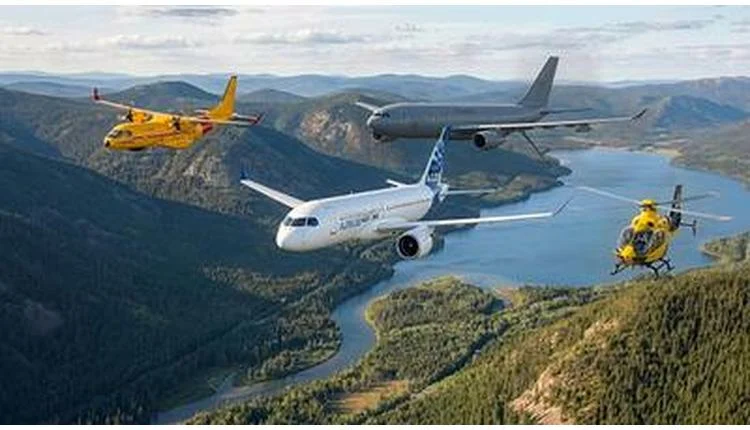
Airbus's Canadian presence is its largest outside Europe, encompassing Defence and Space, Helicopters, and Commercial Aircraft units. The company supports 27% of all aerospace jobs in Quebec, and its employees earn approximately 60% more than the national average salary. In 2025, nearly 60% of Canadian aircraft exports were Airbus products, assembled locally.
A220 Programme Expansion
The A220 programme, acquired by Airbus in 2018, continues to scale. Production is on track to reach 13 aircraft per month by 2028, a significant ramp-up from current levels. The A220, assembled in Mirabel, Quebec, has become a key asset for airlines seeking fuel-efficient narrowbodies on routes such as Montreal–New York and Toronto–Chicago.
Helicopters and Defence
Airbus Helicopters contributed $2.375 billion to Canada's GDP over the past three years, supporting over 350 suppliers and nearly 2,000 jobs. Meanwhile, Airbus Defence and Space generated $778.4 million in spending. Its digital aviation services subsidiary, Skywise, added $184 million between 2023 and 2025, providing predictive maintenance and analytics to carriers including Air Canada and WestJet.
The economic impact report highlights how Airbus leverages regional strengths — from Quebec's skilled labour force to British Columbia's raw materials — to power global aviation advancements. As the company deepens ties with Canadian suppliers, it reinforces its position as a cornerstone of the country's aerospace sector.
For travel industry professionals, the A220's production growth signals increased availability for airlines eyeing secondary city pairs and transatlantic routes. Similarly, Airbus Helicopters' activity supports tourism operators and emergency services across Canada's vast geography.