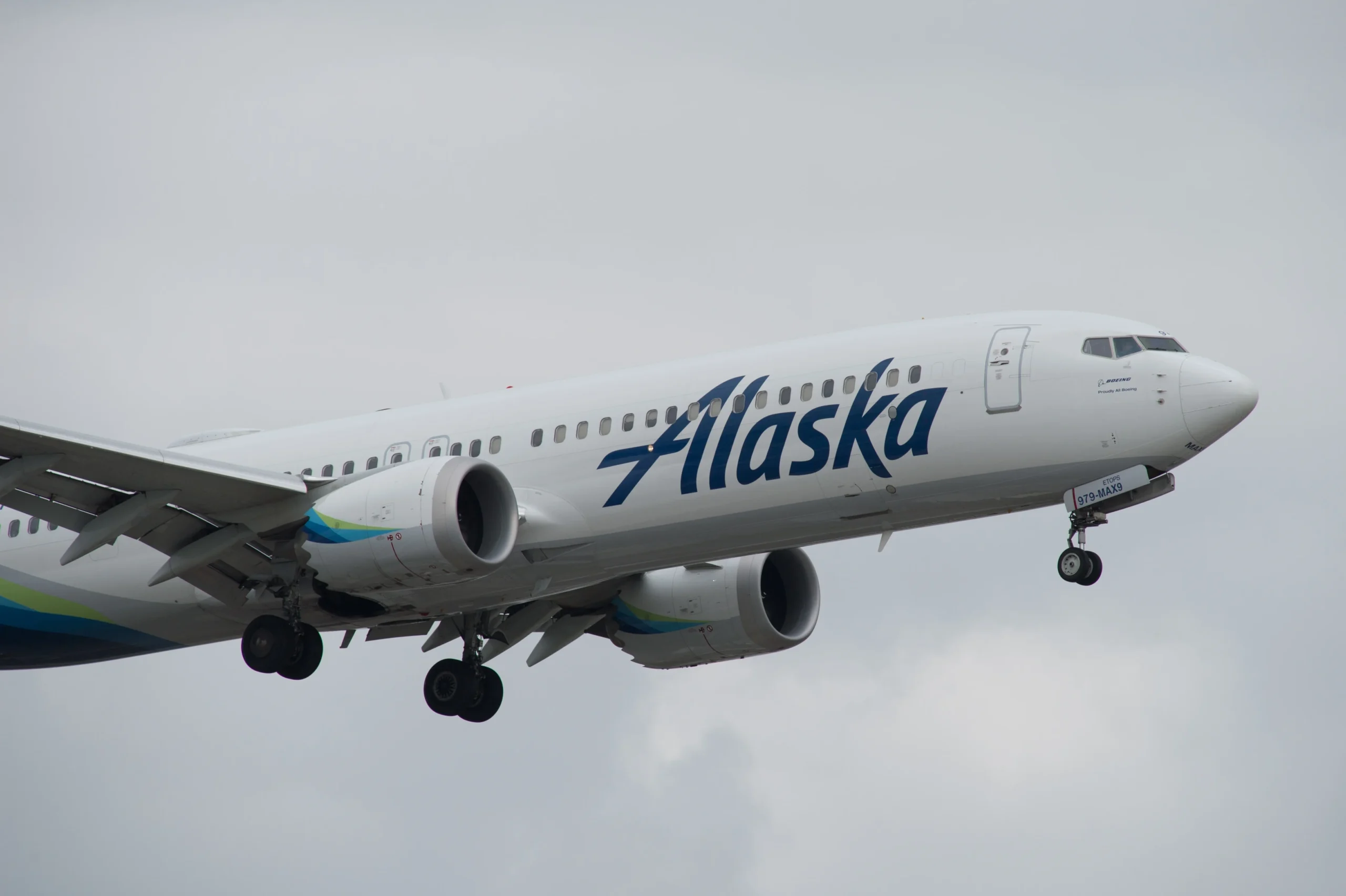
Alaska Airlines is deepening its commitment to the Puget Sound region with a significant expansion at Seattle-Everett Paine Field (PAE). The carrier will boost seat capacity by 50% starting this autumn, with the full build-out completed by summer 2027. The move adds new nonstop routes and increases frequencies on existing West Coast corridors, reinforcing Alaska's position as the dominant carrier on the U.S. West Coast.
New San Jose link and expanded frequencies
Beginning in spring 2027, Alaska will launch a twice-daily nonstop service between Paine Field and San Jose Mineta International Airport (SJC), operated by regional subsidiary Horizon Air. The route connects the north Puget Sound region with Silicon Valley's South Bay, a corridor that has seen steady demand from both business and leisure travelers.
In parallel, Alaska will upgrade its Los Angeles service to twice-daily flights using larger Boeing 737 aircraft, adding significant seat capacity on the transcontinental route. Portland will also see an increase to two daily departures, while additional capacity will be deployed on existing services to San Diego and San Francisco.
Executives cite regional demand
Andrew Harrison, senior vice president and chief commercial officer at Alaska Airlines, framed the expansion as part of a broader regional growth strategy. "As we grow, we're strengthening our presence across the region with more seats, more frequency, and more convenient travel options for guests in Snohomish County, North Seattle, and beyond," he said.
Brett Smith, CEO of Propeller Airports, which operates the passenger terminal at Paine Field, welcomed the added services. "These added flights give travelers more nonstop options close to home and further strengthen Paine Field's role in serving the region," Smith noted. Propeller Airports has been a key partner in developing PAE as a secondary gateway for the Seattle metro area.
Strategic implications for the Seattle hub
The expansion is part of Alaska's broader effort to solidify its Seattle hub while offering travelers in the northern suburbs an alternative to the congestion of Seattle-Tacoma International Airport (SEA). Paine Field, located about 25 miles north of downtown Seattle, has grown steadily since commercial service resumed in 2019, with Alaska and United Airlines operating from the facility.
By adding more seats and frequencies, Alaska is positioning PAE as a viable option for business travelers heading to tech hubs like San Jose and San Francisco, as well as leisure travelers seeking Southern California destinations. The use of larger aircraft on the LA route also signals confidence in sustained demand.
Industry observers note that the expansion aligns with broader trends in U.S. aviation, where carriers are increasingly using secondary airports to relieve congestion and capture local demand. Similar strategies have been employed at airports like Long Beach (LGB) and Hollywood Burbank (BUR) in Southern California.
Alaska's move also comes as other carriers expand their West Coast networks. For instance, Finnair's Tokyo expansion and Turkish Airlines' fleet growth reflect a broader industry push for capacity, though Alaska's focus remains on domestic West Coast connectivity.
For travel agents and corporate buyers, the added Paine Field services offer more flexibility for clients based in Snohomish County and North Seattle, reducing the need to trek to SEA. The twice-daily San Jose service, in particular, is expected to appeal to tech-sector travelers who value time savings.
Alaska's expansion at PAE is scheduled to phase in over the next two years, with the full schedule in place by summer 2027. The airline has not disclosed specific aircraft assignments beyond the 737s on the LA route, but Horizon Air's E175s are expected to handle the San Jose and Portland frequencies.
As the West Coast's largest carrier, Alaska continues to invest in its home region, and the Paine Field build-out is a clear signal that the airline sees long-term growth potential in the Puget Sound's northern suburbs.