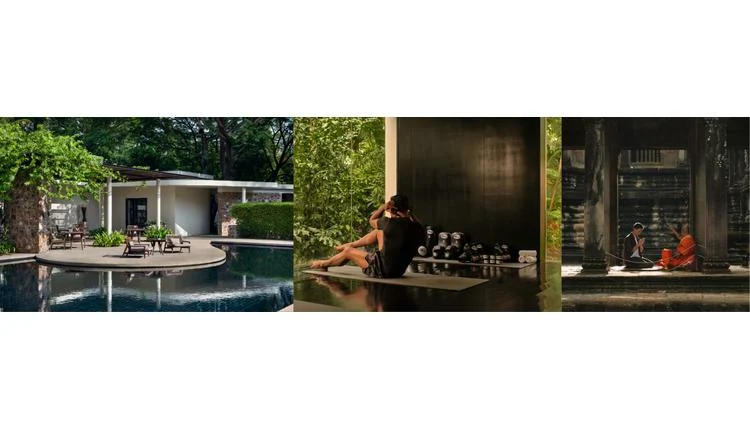
Amansara, the Aman resort set beside Cambodia's Angkor UNESCO World Heritage Site, has reopened following a three-month enhancement programme delivered in collaboration with Kerry Hill Architects. The project, completed on 15 September 2026, refreshes the property's accommodations, dining venues, and wellness facilities while preserving its signature New Khmer architecture.
Expanded accommodation and new suite categories
The renovation adds five guest suites with private swimming pools, bringing the total to 24 suites. Two new categories—the Junior Pool Suite and the Two-Bedroom Family Pool Suite—respond to rising demand for family and multi-generational travel, a segment that continues to grow across Southeast Asia's luxury hospitality market.
All existing suites have undergone a comprehensive refurbishment, with updated interiors that respect the resort's mid-century modernist heritage. The design language, originally conceived by Kerry Hill, blends clean lines with local materials and a deep connection to the surrounding temple landscape.
Reimagined social spaces and dining
Amansara's social areas have been rethought, including a new destination bar housed in a room once used by King Norodom Sihanouk. The Dining Room, a key architectural space, now features integrated banquette seating and a new wine cellar, enhancing the resort's culinary offering.
Private dining experiences have been upgraded on the Amanbala lake boats, and guests can now book excursions to the floating village of Chong Kneas. A custom-designed family remork offers a distinctive way for families to explore Siem Reap and the Angkor complex.
Wellness and spa enhancements
The Aman spa has introduced hydrotherapy facilities, including hot and cold plunge pools and a sauna, complementing its holistic wellness approach. These additions align with broader trends in luxury travel, where wellness is increasingly a core driver of booking decisions.
Amansara's reopening marks a renewed expression of its storied heritage, balancing preservation with modern enhancements. The resort continues to offer guests a deeper connection to Cambodia's cultural, spiritual, and natural heritage.
For travel professionals, the reopening underscores the ongoing investment in Cambodia's luxury hospitality sector. The property's focus on family travel and wellness mirrors wider industry shifts, as seen in recent moves by other luxury operators such as Four Seasons' family-focused initiatives in the Maldives.
Amansara's new facilities are expected to appeal to high-end tour operators and luxury travel advisors seeking differentiated product for clients visiting Siem Reap. The resort's proximity to Angkor remains a key selling point, and the enhanced amenities aim to strengthen its position among discerning travelers.
The renovation also highlights the role of architectural preservation in luxury hospitality, a theme echoed in other recent projects like Dubrovnik's Villa Argentina, which reopened after a major renovation. Such projects demonstrate how heritage properties can evolve to meet modern expectations without losing their identity.
Amansara's reopening comes at a time when Cambodia is seeing a steady recovery in international arrivals, particularly from regional markets. The resort's investment in family-friendly amenities positions it well to capture a share of the growing multi-generational travel segment.
For agents and operators, the new suite categories and enhanced experiences provide fresh talking points for clients considering a luxury stay in Southeast Asia. The resort's collaboration with Kerry Hill Architects also reinforces its architectural significance, a factor that resonates with design-conscious travelers.