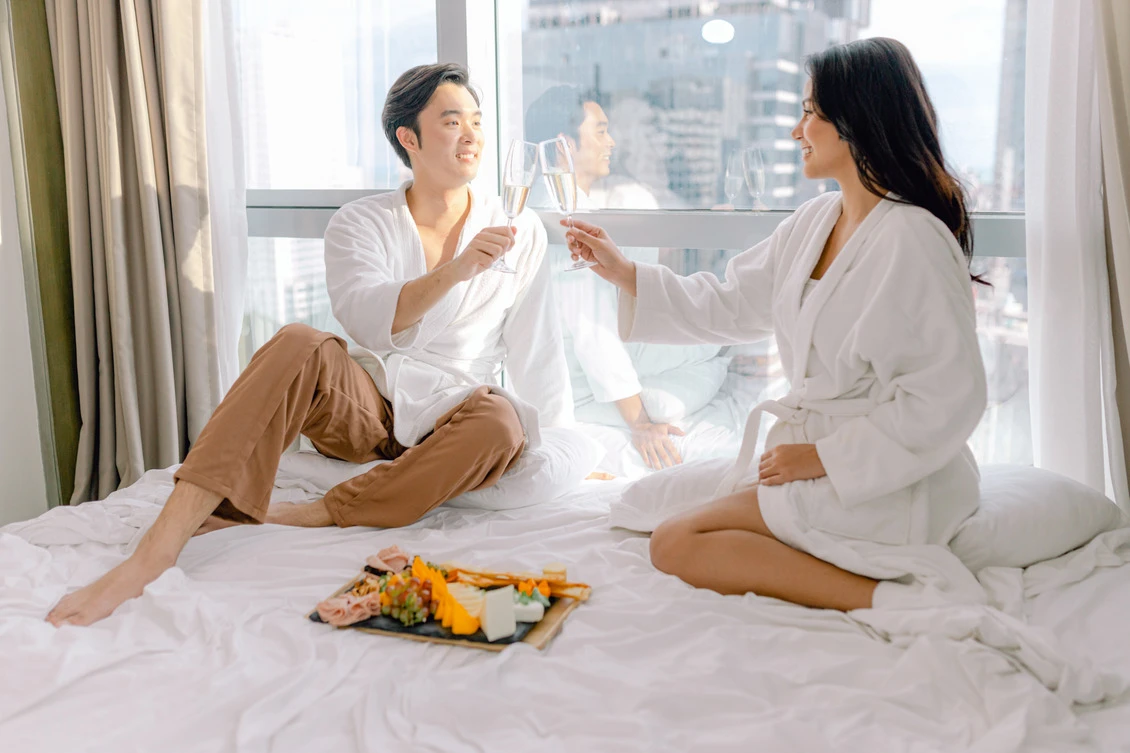
The adults-only segment is emerging as a strategic growth driver for hospitality groups across the Asia-Pacific, as operators respond to falling birth rates and a rising cohort of child-free travelers. Properties from the Maldives to Bali are reconfiguring layouts, dining concepts, and wellness programming to serve couples and solo guests seeking privacy and stillness.
Demographic tailwinds reshape hotel design
In markets such as Japan, South Korea, and Thailand, where fertility rates have dropped to record lows, the traditional family-holiday model no longer reflects the primary demand base. Hoteliers are adapting by dedicating more space to intimate communal zones, expansive spas, and curated à la carte dining, rather than kids' clubs and family pools.
“We are seeing a clear preference among Asian couples for compact, deeply private overwater villas or secluded garden pavilions,” said a regional design director at a leading resort group. “It is a deliberate move away from the sprawling, multi-generational layouts favored in Western markets.”
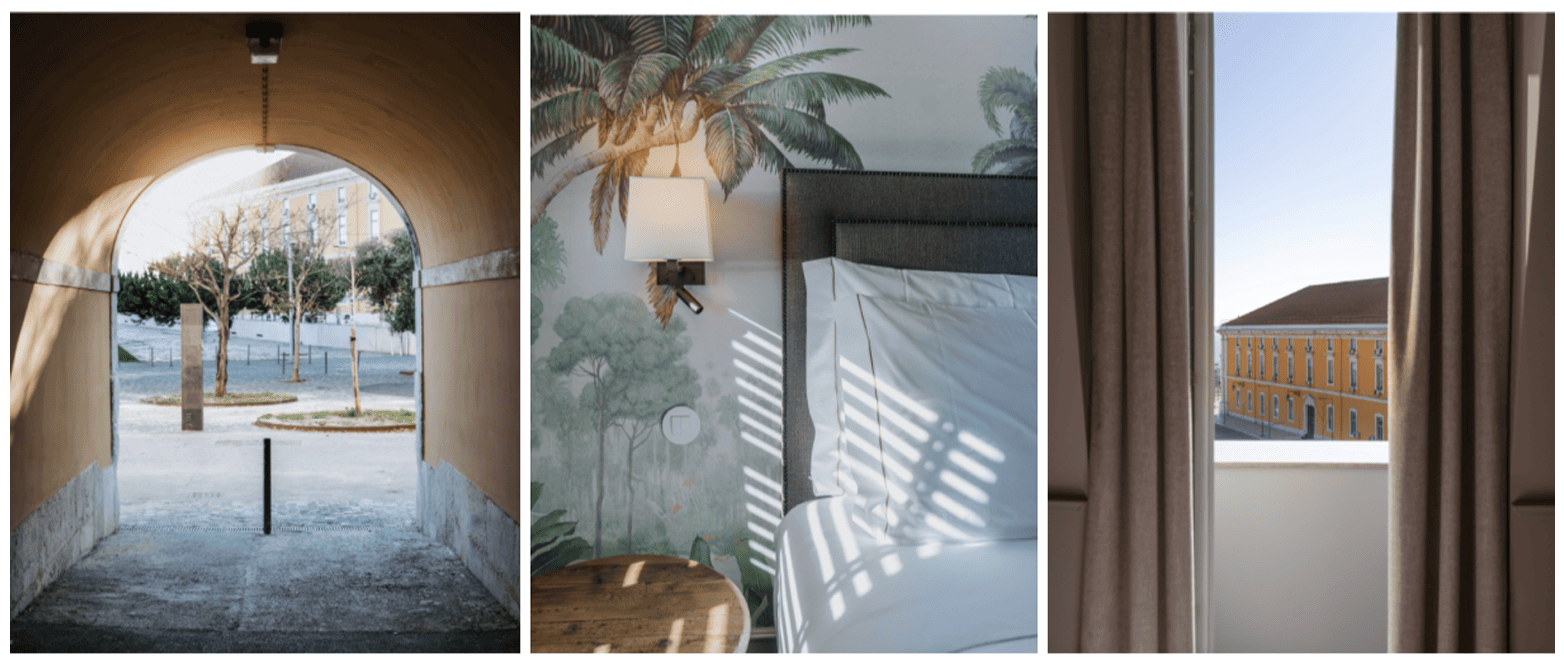
This architectural shift aligns with the broader quiet luxury aesthetic—mineral earth tones, biophilic integration, and acoustic environments engineered for psychological restoration. The adults-only format allows brands to fully realize this vision without compromising on family-oriented amenities.
Financial metrics favor targeted positioning
Industry data underscores the commercial appeal. Across the APAC region, tailored lifestyle hotels command a 10 to 11 percent price premium over traditional formats. More tellingly, adult-paced dining and leisure programs generate 30 percent higher food and beverage revenue per occupied room on average, according to regional benchmarks.
Operators also benefit from greater operational predictability. By avoiding the erratic demand spikes and localized wear-and-tear typical of family travel, properties reduce long-term infrastructure upkeep costs. This stability is particularly attractive to investors, as reflected in the surge in APAC hotel deals in 2025.
Wellness and heritage synergies
The adults-only movement dovetails with two of the region's fastest-growing hospitality sectors: evidence-based wellness and medical tourism. A child-free environment provides the quiet baseline essential for these resorts, which are expanding across Southeast Asia. The recent partnership between Emirates and the Medical Tourism Association highlights the growing intersection of travel and healthcare.
Heritage retreats and remote sanctuaries also benefit. By eschewing modern, child-focused amenities, these properties can preserve their architectural legacy while meeting the expectations of discerning guests. “We are not building a water park; we are restoring a 200-year-old courtyard and adding a tea ceremony pavilion,” said the general manager of a heritage hotel in Kyoto.
Operational implications for travel trade
For travel agents and tour operators, the shift requires updated product knowledge. Adults-only inventory is no longer a niche add-on but a core offering for many luxury and upper-upscale brands. GDS systems and booking platforms are increasingly tagging properties with adult-only filters, and agents should be prepared to advise clients on the nuances of each resort's policy.
As the trend matures, expect more brands to launch dedicated adults-only sub-brands or convert existing properties. The financial and demographic logic is compelling, and the region's hospitality leaders are moving quickly to capture the opportunity.