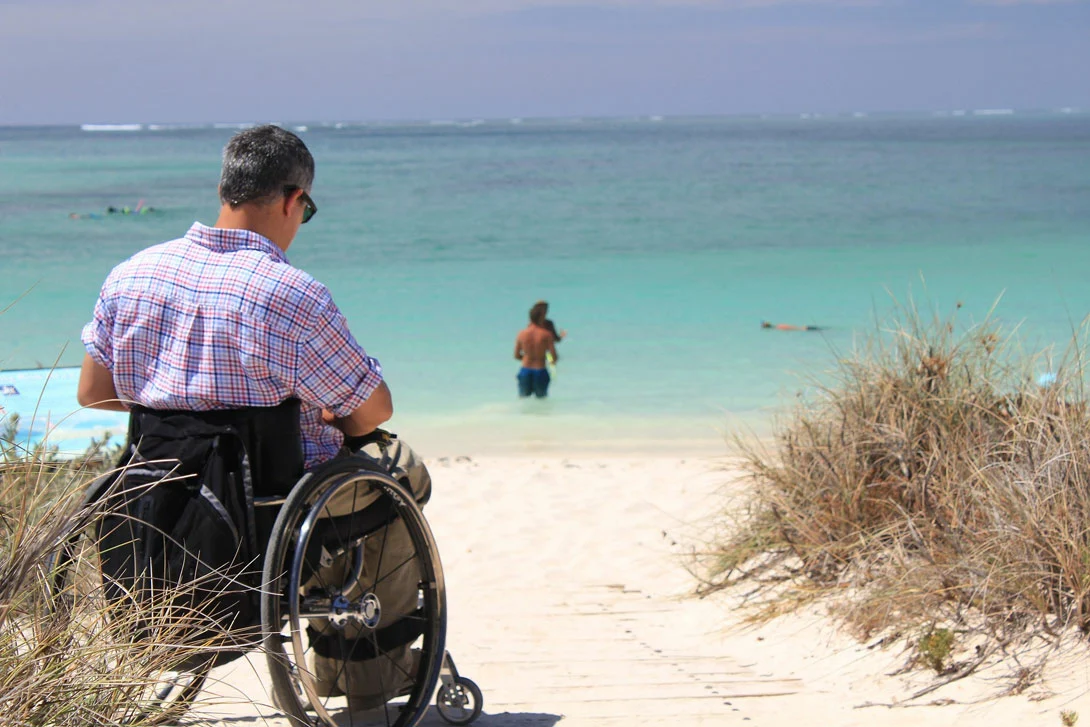
Asia's rapidly aging population is turning accessible travel from a niche concern into a commercial imperative. With millions of older travellers and people with disabilities seeking seamless journeys, the region's hospitality and transport sectors are struggling to keep pace. Systemic gaps in governance, infrastructure, and workforce training are creating barriers that deter a lucrative and growing demographic.
Policy gaps undermine good intentions
While international frameworks like the UN Convention on the Rights of Persons with Disabilities set baseline rights, implementation across Asia remains uneven. Countries such as Malaysia have enacted laws like the Persons with Disabilities Act, yet enforcement is weak. Missing monitoring mechanisms, absent penalties, and poor coordination between municipal planners and tourism authorities mean that accessibility often remains a paper exercise rather than a lived reality.
For example, a hotel in Kuala Lumpur may advertise step-free access, but a traveller arriving at the airport finds no accessible taxi, and the hotel's entrance has a small step that a wheelchair cannot cross. Such disconnects are common, as highlighted in our recent piece on destination marketing pitfalls that overlook accessibility as a selling point.
Infrastructure breaks the journey
End-to-end accessibility requires seamless connectivity, but Asia's transit systems are far from integrated. Outside hubs like Singapore, wheelchair-accessible vehicles are rare, and transfers between air, sea, and land transport often fail. Even within hotels, properties marketed as 'handicap-friendly' frequently have narrow doorways, stepped thresholds, and bathrooms that do not meet universal design standards.
True inclusion means spaces that are intuitively navigable by all, not retrofitted afterthoughts. The recent flooding in Bangkok further exposed how fragile infrastructure can cripple mobility for everyone, especially those with disabilities.
Information and training deficits
For travellers with physical, cognitive, or sensory impairments, accurate pre-trip information is critical. Yet regional booking platforms often use vague terms like 'accessible' without providing measurable details such as door widths, step counts, or elevator availability. This forces travellers to make risky assumptions.
Even when physical upgrades exist, staff are often untrained. Inclusive service design is rarely part of hospitality curricula, leaving front-line teams without the skills or confidence to assist diverse guests. This gap is part of a broader hotel staffing crisis that is straining service quality across the region.
A blueprint for change
To capture the growing accessible travel market, Asian destinations must act on three fronts. First, mandatory governance: move from voluntary guidelines to enforced building and tourism codes with real penalties. Second, standardized metrics: require transparent, uniform disclosure of physical asset measurements across all digital channels. Third, educational integration: embed disability awareness and universal design into national tourism accreditation and training programs.
As the region's demographics shift, accessibility is no longer a courtesy but a competitive advantage. Destinations that invest in inclusive infrastructure and training will attract a loyal and expanding customer base, while those that lag will lose out. The time to act is now.