Remote work has reshaped how many professionals blend business with leisure, but Australia's major cities are falling behind in the race to attract so-called “workcation” travellers. A new analysis from Australian financial comparison site Compare the Market places Canberra, Perth, and the Gold Coast at the bottom of its Asia-Pacific workcation index, citing sluggish internet speeds and steep accommodation prices as the primary drags.
The study evaluated 20 cities across the region on metrics including fixed and mobile broadband performance, the cost of a month's rental accommodation, the price of a cappuccino, the number of coworking spaces, and the volume of local attractions. Australia's urban centres consistently underperformed, with average fixed broadband speeds of 157.56 Mbps and mobile speeds of 115.07 Mbps — respectable by global standards but well behind regional leaders.
Cost and connectivity weigh on Australian cities
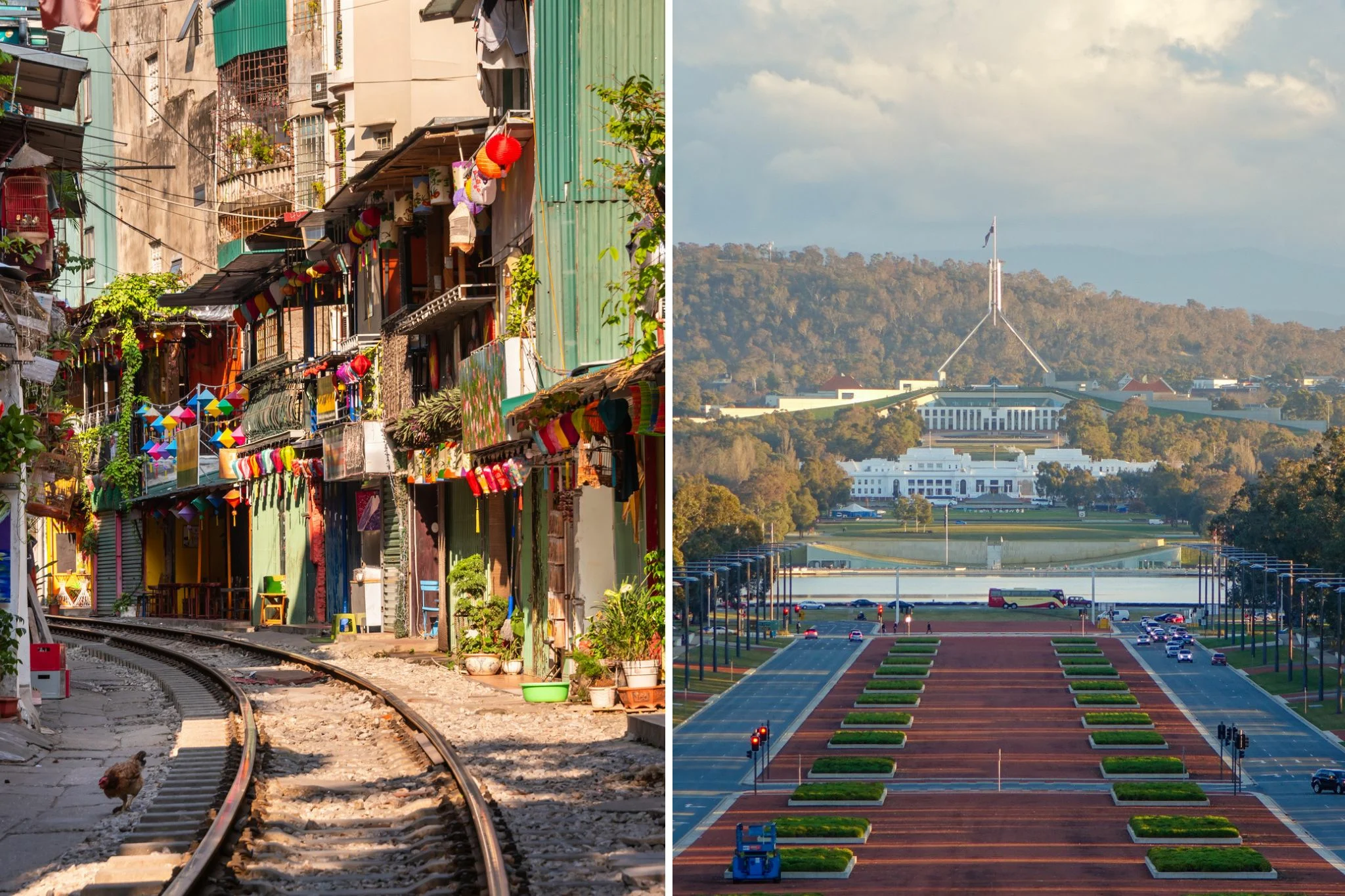
Canberra emerged as the least attractive workcation destination in the index. The national capital recorded the most expensive one-month rental among all cities studied, at US$1,107, and offered just 52 attractions — the fewest of any location in the survey. For remote workers seeking a balance between productivity and exploration, the combination of high living costs and limited leisure options makes the city a tough sell.
Perth fared little better. The Western Australian capital's cheapest monthly accommodation came in at US$970, while a standard cappuccino cost US$4.23 — the second-highest price in Australia. The Gold Coast, despite its famous beaches and lifestyle appeal, offered only 13 coworking spaces and 237 attractions, limiting its ability to cater to the growing cohort of digital nomads and remote employees.
Adrian Taylor, Chief Executive of General Insurance at Compare the Market, stressed the importance of infrastructure and affordability in shaping the workcation experience. “Strong internet connectivity, affordability, and plenty of attractions can all contribute to a more enjoyable workcation experience,” he said.
Hanoi leads, Asian cities dominate
At the opposite end of the spectrum, Hanoi, Vietnam, claimed the top spot, offering 9,038 attractions and monthly accommodation starting at just US$71. The Vietnamese capital's combination of ultra-low costs, vibrant culture, and improving digital infrastructure makes it a magnet for remote workers across the region.
The findings underscore a broader shift in workcation preferences toward Southeast and East Asian cities, where affordability and connectivity often outpace their Australian counterparts. For travel professionals, this trend has implications beyond individual choice — it signals where demand for extended-stay accommodation, coworking partnerships, and destination marketing may grow.
Australia's tourism and hospitality sectors have long relied on leisure travellers, but the workcation segment represents a new opportunity. With the rise of hybrid work, cities like Brisbane and Melbourne have invested in coworking hubs and digital infrastructure, yet the latest data suggests they still lag regional competitors. The return of year-round cruising from Brisbane may boost visitor numbers, but attracting remote workers requires a different set of assets.
For hoteliers and serviced-apartment operators, the workcation trend offers a chance to capture longer-stay guests. Properties that offer reliable high-speed internet, dedicated workspaces, and flexible booking terms are better positioned to appeal to this demographic. Meanwhile, destination marketers could take a page from Hanoi's playbook, promoting not just attractions but also the practicalities of remote work — connectivity, cost, and coworking availability.
The Australian travel sector's focus on digital safety and AI may also play a role in building trust among remote workers, who increasingly rely on online tools to manage their itineraries and communications. As the industry adapts, the workcation market is likely to become a more prominent segment in destination planning and product development.
For now, Australia's cities have clear room for improvement. Upgrading broadband infrastructure, moderating accommodation costs, and expanding coworking options could help them climb the rankings — and capture a share of the growing remote-work travel market.