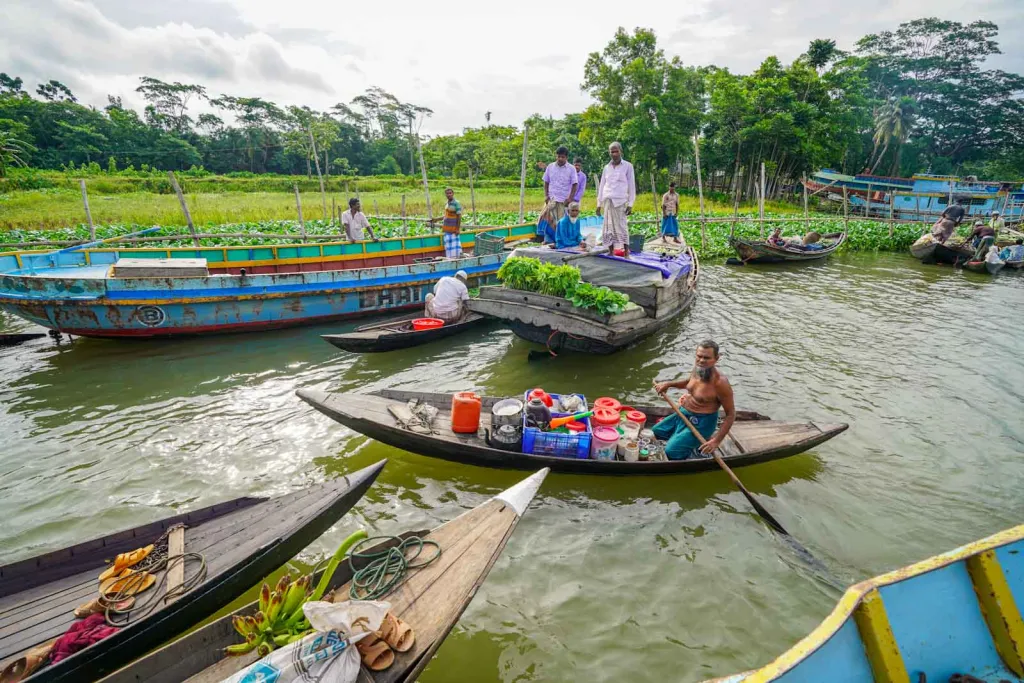
Bangladesh is repositioning itself in the South Asian travel market with a comprehensive strategy aimed at lifting its tourism sector from a marginal contributor to a competitive force. Despite possessing assets such as the world's longest natural sea beach at Cox's Bazar, the Sundarbans mangrove forest, and archaeological sites like Somapura Mahavihara, tourism accounts for only 3 to 4.4 percent of the country's GDP—a stark contrast to neighbors like Sri Lanka, the Maldives, and India, where leisure travel drives economic growth.
Infrastructure and accessibility as cornerstones
To unlock its potential, Bangladesh is prioritizing high-value infrastructure development across key zones, including Saint Martin's Island, Sylhet's tea gardens, and the Chittagong Hill Tracts. Improved transport links are already underway, but the plan calls for dedicated express shuttles and direct rail connections from Dhaka to Cox's Bazar and Srimangal. Public-private partnerships, including proposed mega-projects, are expected to accelerate the expansion of luxury hospitality and eco-resorts.
Administrative barriers are also being addressed. Expanding Visa on Arrival facilities and introducing a streamlined e-Visa platform are seen as critical to attracting spontaneous leisure travelers and digital nomads. A unified digital ecosystem for domestic transport bookings, heritage site ticketing, and verified tour guides is part of the vision to ensure seamless journeys.
Sustainability and cultural storytelling
With global travelers increasingly prioritizing conscious tourism, Bangladesh holds a natural advantage. Empowering indigenous communities to manage grassroots eco-lodges in the Sundarbans and the Hill Tracts can protect fragile ecosystems while offering immersive cultural experiences. The strategy also includes developing cross-border heritage circuits that connect ancient Buddhist sites like Somapura Mahavihara with trails in Nepal and India, tapping into niche markets.
To shape its narrative abroad, the Bangladesh Tourism Board will lead dedicated international campaigns, supported by proactive destination marketing from foreign diplomatic missions. Multi-lingual Tourist Police units and rigorous environmental regulations for coastal waste management are planned to reinforce visitor confidence and safeguard the country's natural charm.
Industry observers note that Bangladesh's move comes as regional competitors intensify their own efforts. For instance, Indonesia's niche tourism push targeting South Korean travelers highlights the growing competition for high-value segments. Similarly, remote worker influxes are reshaping Southeast Asian beach economies, a trend Bangladesh could leverage with improved digital infrastructure.
The strategy also aligns with broader shifts in travel technology. As hotel AI adoption outpaces strategy, Bangladesh's digital ecosystem plans could benefit from similar innovations. However, experts caution that execution will be key, given the country's historical challenges with bureaucratic delays and infrastructure gaps.
For travel professionals, the implications are significant. Airlines may see new route opportunities as Dhaka's connectivity improves, while hoteliers and tour operators could find untapped potential in emerging destinations. The emphasis on sustainability and community-based tourism also positions Bangladesh to appeal to the growing segment of eco-conscious travelers.
As Bangladesh moves to implement these reforms, its success will depend on sustained political will and investment. But with the right execution, the country could finally translate its natural and cultural wealth into a thriving tourism economy, challenging the dominance of its South Asian neighbors.