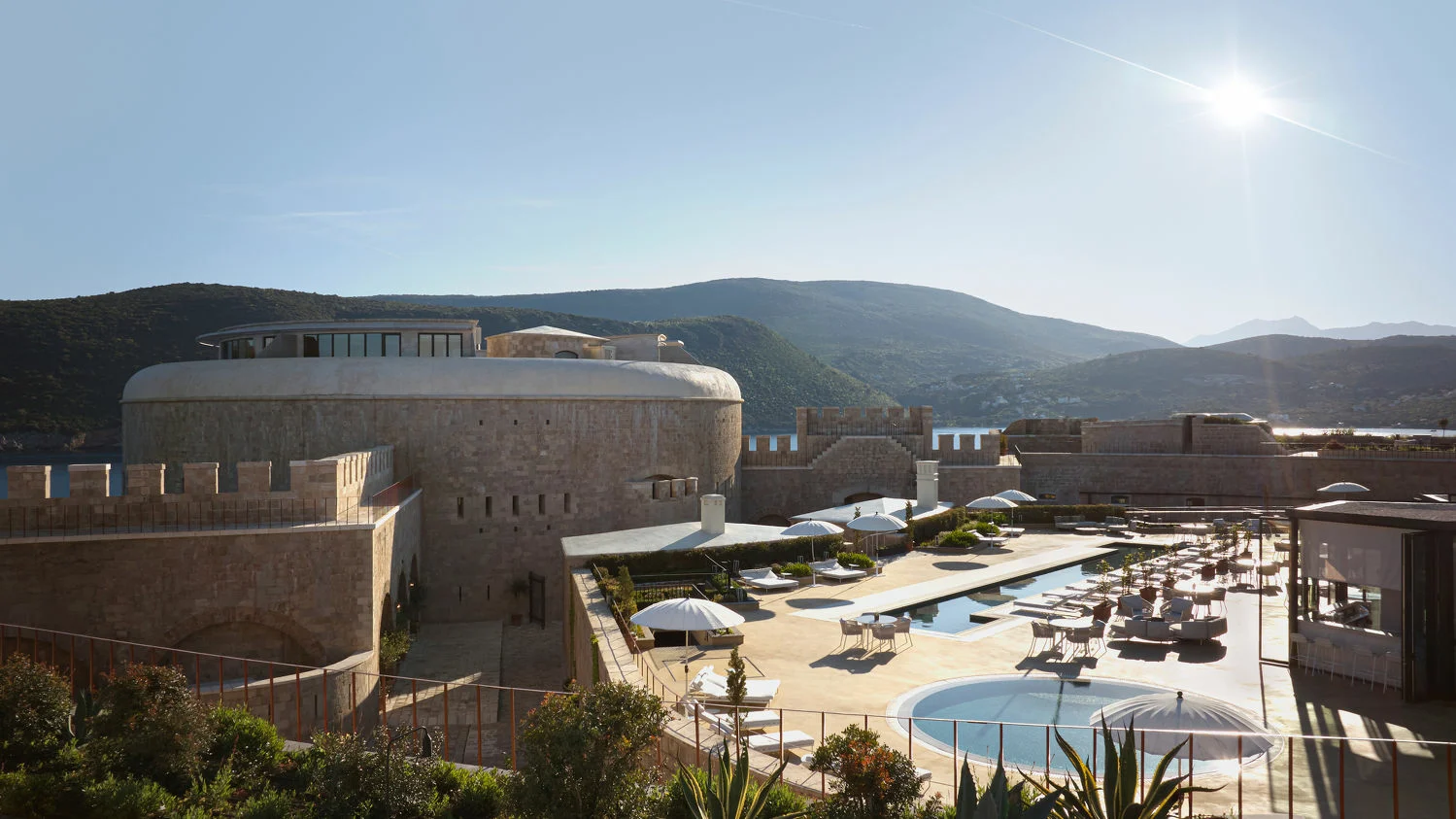
Banyan Tree Holdings has officially opened its first European property, Mamula Island by Banyan Tree, situated at the entrance of Montenegro's UNESCO-protected Bay of Kotor. The resort occupies a meticulously restored 19th-century fortress, marking a strategic expansion for the Singapore-based luxury hospitality group into the Mediterranean market.
Fortress Transformation and Design
The 32-room sanctuary is housed within Fort Mamula, originally constructed in the 1850s. Developer Samih Sawiris led the restoration in partnership with Lisbon-based MCM Architecture & Design, Montenegrin conservation studio Projektor, and local heritage authorities. The design blends local craftsmanship with mid-century influences, using natural stone, aged brass, and organic textiles throughout the interiors. All rooms offer views of the Adriatic Sea, with access via private boat or helicopter.
Dining and Wellness Offerings
Three dining venues anchor the culinary program: Parasol, Kamena Restaurant, and Celeste, each drawing on local produce and coastal traditions. The Banyan Tree Spa, located within the historic fortress tower, offers treatments using local plants and oils alongside traditional therapies. The resort also curates experiences such as sunrise swims and local food tours.
Cultural Programming and Events
Mamula Island hosts an Artists-in-Residence programme and the Operosa Music Festival, positioning itself as a creative retreat. The property is available for private events, including weddings and corporate retreats, appealing to the MICE segment. This opening aligns with broader trends in experiential travel, as seen in destinations like the Maldives, where resorts are holding rate integrity amid surging demand for unique experiences.
Industry Implications
For travel professionals, Mamula Island represents a new luxury option in the Adriatic, a region seeing increased interest from high-net-worth travelers. The resort's integration of heritage restoration with modern luxury could serve as a model for similar projects in historic European settings. As European travel adapts to climate challenges, such as heatwaves exceeding 40°C, properties with coastal access and curated programming may gain a competitive edge.
Banyan Tree's entry into Europe follows its established presence in Asia and the Middle East. The group's focus on destination-led dining and cultural programming mirrors strategies seen at other luxury operators, such as the flexible luxury model at Rah Gili Maldives, which ditches rigid resort protocols to cater to evolving guest preferences.