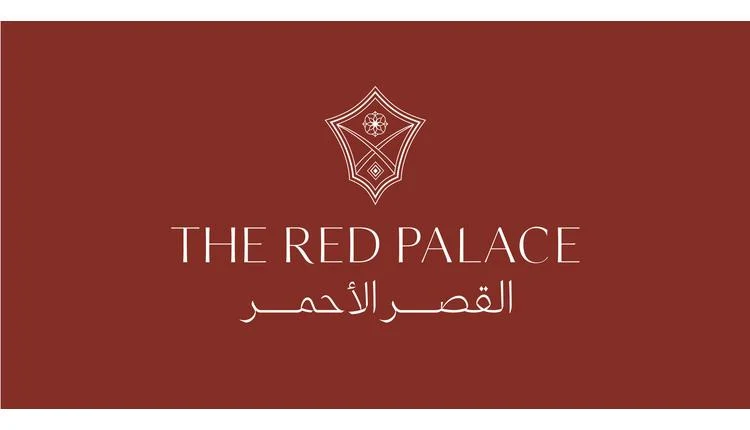
Boutique Group, the Saudi hospitality company wholly owned by the Public Investment Fund (PIF), has taken the wraps off the visual identity for The Red Palace, a key milestone as the property prepares to welcome guests later this year. The unveiling marks the first chapter in the palace's transformation into an ultra-luxury destination, and signals the group's broader ambition to reposition Saudi Arabia's royal heritage for a global audience.
The identity is deeply rooted in the palace's royal lineage, designed to reflect the values, craftsmanship, and cultural legacy that will define the guest experience. According to Boutique Group, the visual system translates the palace's authentic architecture and historic character into a cohesive brand language that honors its origins while appealing to contemporary luxury travelers.
“This identity is the first chapter of a story we have long been entrusted to tell,” said Sami Alogla, Head of Marketing and Brand at Boutique Group. “We are preserving the palace's heritage whilst introducing it to a global audience.”
Design language rooted in architectural detail
Central to the new identity is the rose, a defining architectural symbol of The Red Palace, reimagined from a carved rosette found within the palace's original plasterwork. The emblem is set within a diamond form that echoes the geometry of the palace's façade, and incorporates linear patterns inspired by the building's design. This meticulous approach ensures that every brand touchpoint—from stationery to signage—carries a piece of the palace's story.
The Red Palace, located in Riyadh, is one of the most historically significant buildings in the kingdom, having served as a royal residence and later as a government office. Boutique Group's mandate is to preserve such landmarks while reimagining them as ultra-luxury hospitality offerings, a strategy that aligns with Saudi Arabia's Vision 2030 tourism push.
The group, which also manages other heritage properties, has positioned The Red Palace as a flagship project. The opening is expected to generate significant interest among luxury travel advisors and high-net-worth travelers, particularly those seeking culturally immersive experiences in the Gulf.
For travel professionals, the unveiling underscores a growing trend: the conversion of historic palaces and royal residences into boutique hotels. Similar projects are underway across the region, from Riu Palace Peninsula's recent reopening in Cancun to heritage-driven initiatives like Blenheim Palace's royal-themed season. These developments highlight how heritage can be leveraged to create unique guest experiences that differentiate properties in a crowded luxury market.
Boutique Group's approach also reflects a broader industry shift toward storytelling and authenticity. As travelers increasingly seek meaningful connections with destinations, hotels that can articulate a compelling narrative—rooted in local culture and history—are better positioned to command premium rates and loyalty.
The Red Palace's opening will add to Riyadh's growing luxury hospitality landscape, which includes recent debuts from international brands and homegrown concepts. The city is also ramping up its MICE infrastructure, with initiatives like Singapore's new MICE incentives serving as a benchmark for other destinations. While Riyadh's focus is on leisure and cultural tourism, the palace could also host exclusive corporate events and high-level gatherings.
Boutique Group has not yet announced a specific opening date, but the company says the property will debut “later this year.” Travel advisors and tour operators are advised to monitor developments, as availability is expected to be limited given the palace's intimate scale and heritage status.
For now, the visual identity serves as a promise of what's to come: a hospitality experience that blends royal heritage with modern luxury, designed to resonate with a global clientele. As Alogla put it, the brand is “entrusted to tell” the palace's story—and with this unveiling, that story has begun.