The cruise sector is navigating a delicate balance between an unprecedented wave of new ship orders and the urgent need to cut greenhouse gas emissions. With global travel demand rebounding, operators are investing heavily in cleaner propulsion, smarter onboard systems, and greener supply chains, all while facing scrutiny over the industry's overall carbon footprint.
Moving beyond heavy fuel oil
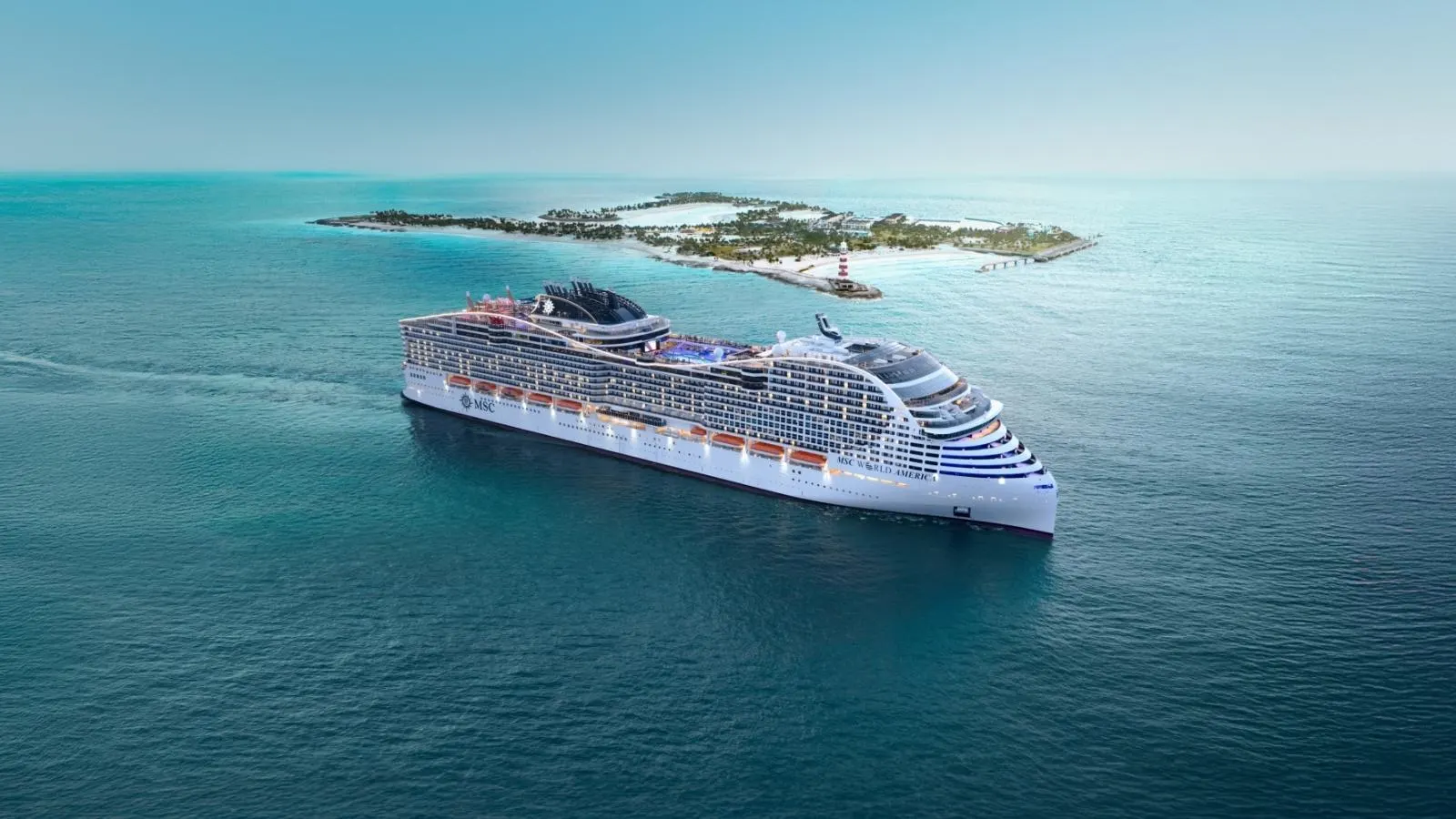
The most significant shift is the gradual phase-out of traditional heavy fuel oil. Several lines are now testing renewable alternatives, including biofuels, green methanol, and hydrogen fuel cells. MSC Cruises has already demonstrated the viability of these fuels by completing a net-zero greenhouse gas voyage powered by bio-liquefied natural gas (bio-LNG).
Many newbuilds, such as those from Royal Caribbean Group and Carnival Corporation, are being delivered with LNG-capable engines. LNG eliminates nearly all sulphur and particulate emissions and cuts nitrogen oxides by roughly 85 per cent. However, environmental groups like Friends of the Earth warn that unburned methane leaks from LNG engines remain a potent short-term driver of global warming, casting a shadow over the fuel's long-term credentials.
Efficiency and shore power
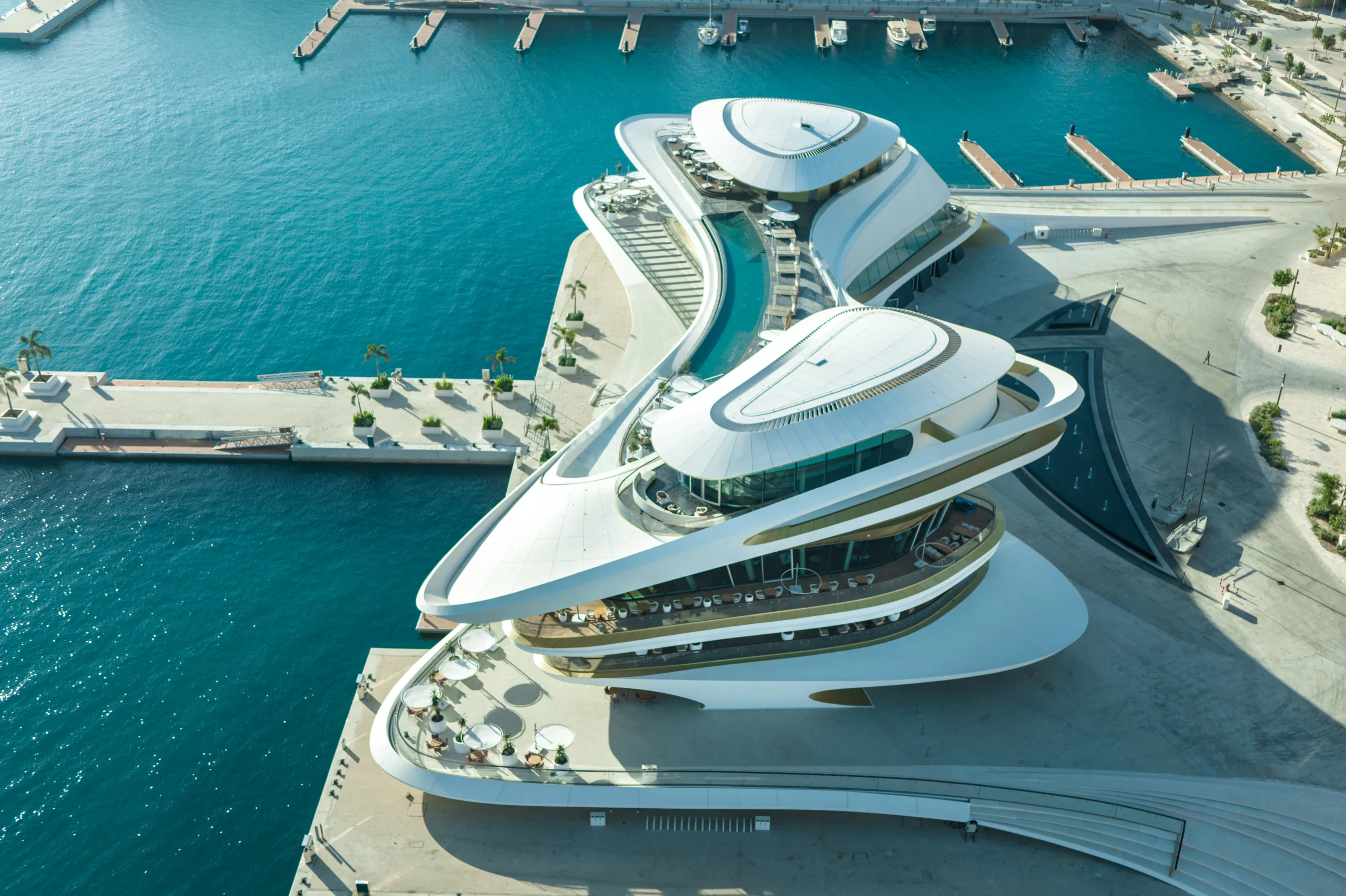
To reduce fuel burn at sea, naval architects are turning to specialised hull coatings, air lubrication systems, and AI-assisted route optimisation that minimise water drag. At the same time, shore power connectivity is gaining momentum. Plugging into local electrical grids allows vessels to switch off their engines while berthed, and the practice is expected to become mandatory across all major European Union ports by 2030.
Ports in Barcelona, Marseille, and Hamburg are already installing high-voltage shore-side infrastructure, while cruise lines are retrofitting ships to be shore-power ready. This is a critical step, as a single day in port can consume as much energy as a small town.
Floating cities go green
Beyond the engine room, modern cruise ships are being redesigned as resource-efficient floating cities. Operators are curbing electricity demand through smart HVAC systems, LED lighting, tinted windows, and motion sensors. Some vessels, like those in the Norwegian Cruise Line fleet, capture waste engine heat to generate supplementary onboard power.
Water management has also seen parallel upgrades. Advanced purification plants now filter solids and disinfect grey water and sewage before any discharge occurs far from fragile coastal ecosystems. Virgin Voyages has drastically reduced daily freshwater consumption by fitting vacuum toilets, low-flow showerheads, and high-efficiency laundry equipment across its ships.
Waste and procurement overhaul
Managing the footprint of thousands of guests also requires rigorous waste and procurement strategies. Across the sector, single-use plastics have largely been replaced with glass, reusable, or biodegradable alternatives. Behind the scenes, crews meticulously sort aluminium, paper, and glass for portside recycling, while biodigesters and composters process food scraps. Used cooking oil is offloaded for conversion into biodiesel.
At ports of call, cruise lines are increasingly partnering with local farmers and fisheries, shortening supply chains to reduce transport emissions while injecting capital directly into regional economies. For example, Meru Sanur's Balinese wellness approach highlights how tourism can integrate local sourcing, a model cruise lines are adapting for their own operations.
Challenges remain
Despite these strides, substantial headwinds remain. Green hydrogen, e-methanol, and sustainable biofuels are not yet produced at the commercial scale required to fuel global fleets. Many ports worldwide still lack the high-voltage infrastructure necessary for shore power, and retrofitting older ships is costly.
Moreover, while per-passenger emissions are declining, the relentless construction of mega-ships continues to push the industry's overall carbon footprint upward. As the sector expands, particularly in Asia where MICE travel is booming, the pressure to decarbonise will only intensify.
Industry leaders acknowledge that true zero-emission cruising is a long-term ambition. But with regulatory deadlines looming and consumer expectations rising, the race to green the fleet is now a strategic priority. As one executive put it, "We are not just building ships; we are building the future of sustainable travel."